Diagnosis, Screening, and Early Detection of Pheochromocytoma
Pheochromocytoma is a rare neuroendocrine tumor, primarily of the adrenal glands, that can cause severe health issues due to excessive hormone release. Timely pheochromocytoma diagnosis is critical for preventing life-threatening complications and ensuring effective treatment.
Key Takeaways
- Pheochromocytomas are rare tumors that release excess catecholamines, causing symptoms such as high blood pressure, headaches, and heart palpitations.
- Left unrecognized, the hypertensive crises these tumors can trigger are linked to serious complications such as stroke and heart attack, which is why early detection matters.
- Screening is reserved for people with suggestive symptoms or specific risk factors, such as a family history of the condition or a related genetic syndrome.
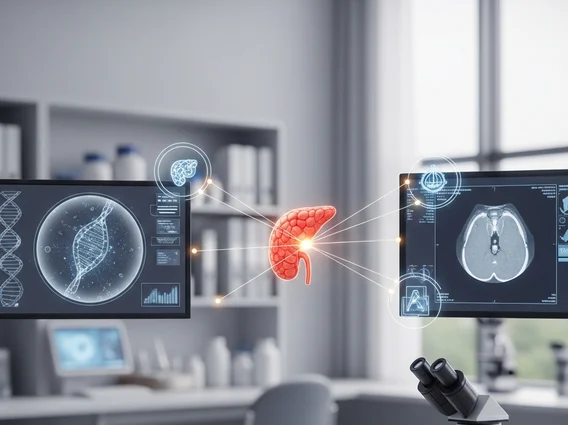
- Diagnosis starts with a blood or urine test for metanephrines, followed by imaging such as CT, MRI, or MIBG scanning to locate the tumor.
- Because symptoms can mimic other conditions, prompt medical evaluation of recurrent or severe episodes is an important first step toward diagnosis.
Understanding Pheochromocytoma and Its Diagnosis
Gaining a comprehensive understanding of pheochromocytoma is the first step toward effective management. This rare condition, though challenging to diagnose, is treatable when identified early.
What is Pheochromocytoma?
A pheochromocytoma is a rare tumor that originates in the chromaffin cells of the adrenal glands, the two glands that sit on top of the kidneys. These tumors release excess catecholamines — hormones such as adrenaline (epinephrine) and noradrenaline (norepinephrine) — which is what causes most of the tumor’s symptoms. Most pheochromocytomas are not found to have spread at the time of diagnosis, but doctors cannot always tell from the tissue alone whether a given tumor will behave aggressively over time, so lifelong follow-up is recommended even after a tumor is removed. Understanding what pheochromocytoma is and how it is diagnosed is essential for patients and their care teams alike.
Why Early Diagnosis Matters
The chronic or episodic release of high levels of catecholamines can lead to severe complications, including hypertensive crisis, stroke, heart attack, and kidney damage. A hypertensive crisis in particular can trigger dangerous heart rhythm problems and is a recognized cause of death when the tumor goes unrecognized. Because of this, a prompt and accurate diagnosis is important to stabilize the patient’s condition and allow for timely surgical removal, which is often curative.
Recognizing Early Signs of Pheochromocytoma
The symptoms of pheochromocytoma can be varied and often mimic other conditions, which is part of why the tumor can be difficult to recognize. Still, certain patterns should prompt further evaluation.
Common Symptoms to Watch For
Symptoms of pheochromocytoma arise from surges in catecholamines and can occur in sudden attacks or persist continuously. The pattern most likely to prompt diagnostic testing is episodic headache, sweating, and heart palpitations occurring together with severe high blood pressure; a fuller description of associated symptoms, such as anxiety, tremor, and abdominal pain, is covered on this condition’s dedicated symptoms page. Because this overall pattern overlaps with many other conditions, it is the recurrent or treatment-resistant nature of the episodes, not any single symptom, that typically leads a clinician to order testing.
When to Seek Medical Advice
Individuals experiencing recurrent episodes of severe headaches, unexplained sweating, rapid heartbeats, or sudden spikes in blood pressure should seek medical advice promptly, especially if these symptoms occur together, are increasing in frequency or severity, or resist conventional hypertension treatment. While these symptoms can point to many different conditions, discussing them with a healthcare professional is the step that determines whether further investigation for pheochromocytoma is warranted.
Pheochromocytoma Screening Guidelines
Given how rare pheochromocytoma is, screening is typically recommended for specific high-risk groups rather than the general public.
Who Needs Screening?
Screening for pheochromocytoma is focused mainly on people at higher risk, since the tumor is uncommon in the general population — the National Cancer Institute estimates that it occurs in roughly 2 to 8 people per million each year. People fall into a higher-risk category when a close relative has had this tumor before, or when they carry one of the associated hereditary conditions — Multiple Endocrine Neoplasia type 2, Von Hippel-Lindau disease, or Neurofibromatosis type 1. Patients with resistant hypertension, an unexplained hypertensive crisis, or an adrenal incidentaloma (a mass found on the adrenal gland during imaging done for another reason) also warrant consideration for screening.
Screening Procedures Explained
Initial screening for pheochromocytoma involves biochemical tests designed to detect elevated levels of catecholamines or their metabolites. These tests are non-invasive and serve as the first line of investigation for suspected cases, helping clinicians judge how likely a pheochromocytoma is before moving on to more complex imaging studies.
Key Diagnostic Tests for Pheochromocytoma
Accurate diagnosis relies on a combination of biochemical confirmation and imaging to locate the tumor.
Biochemical Testing: Urine and Blood
Diagnosis relies heavily on biochemical confirmation of excess catecholamine production. The tests used most often measure metanephrines and normetanephrines, the breakdown products of adrenaline and noradrenaline, in a 24-hour urine collection or in blood plasma. Plasma free metanephrines serve as a highly sensitive first test, while 24-hour urinary fractionated metanephrines and catecholamines add specificity and are often used to confirm a positive result. Proper patient preparation, including avoiding certain medications and foods that can interfere with the assay, is important to help prevent false-positive results.
Imaging Studies: Locating the Tumor
Once biochemical testing confirms excess catecholamines, imaging is used to locate the tumor and plan for surgical removal. Common imaging methods include:
- Computed Tomography (CT) scans: Provide detailed anatomical images of the adrenal glands and abdomen and are commonly used first to look for adrenal tumors.
- Magnetic Resonance Imaging (MRI): Offers similar accuracy to CT with better soft-tissue contrast, and is often preferred when avoiding radiation is a priority, such as in children or during pregnancy.
- Metaiodobenzylguanidine (MIBG) scintigraphy: A nuclear medicine scan using a radioactive tracer taken up by chromaffin cells; it is especially useful for tumors outside the adrenal glands (paragangliomas) or suspected metastatic disease.
- Positron Emission Tomography (PET) scans: Certain PET tracers can also locate these tumors effectively, particularly in complex or recurrent cases.
The choice of imaging depends on individual patient factors, the suspected location of the tumor, and the specific clinical scenario.
Frequently Asked Questions
What are the most common symptoms of pheochromocytoma?
The most common symptoms are episodic headaches, sweating, and heart palpitations together with high blood pressure. Other possible signs include anxiety, tremor, and abdominal pain, though these vary between patients. Symptoms that are frequent, severe, or occur together should prompt a medical evaluation.
How is pheochromocytoma typically diagnosed?
Diagnosis usually begins with a blood or 24-hour urine test measuring catecholamines and metanephrines; elevated levels suggest the tumor is present. Imaging such as CT, MRI, or MIBG scintigraphy is then used to locate the tumor, most often in the adrenal glands.
Who should be screened for pheochromocytoma?
People who fall into the higher-risk categories described above — including a known hereditary syndrome, an adrenal mass found incidentally on imaging, or blood pressure that resists standard treatment — are the ones for whom screening is typically advised. Early screening in these groups helps prevent complications from a delayed diagnosis.