
High-Fiber Meal Ideas for Everyday Nutrition
Incorporating sufficient fiber into your diet is crucial for overall health, supporting everything from digestive regularity to blood sugar management. This article provides practical and delicious high fiber recipes and strategies to effortlessly boost your daily fiber intake.
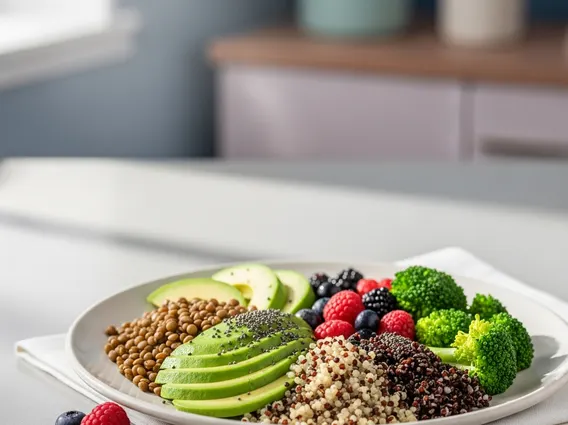
Key Takeaways
- Prioritize a variety of fiber sources, including whole grains, legumes, fruits, and vegetables, across all meals.
- High-fiber breakfast ideas, easy high-fiber lunch recipes, and dinner ideas for high fiber diet are simple to integrate into your daily routine.
- A fiber-rich diet offers significant benefits of high fiber foods, such as improved digestion, better blood sugar control, and sustained satiety.
- Employ quick high-fiber meal prep techniques like batch cooking to ensure a consistent supply of nutritious options.
- Aim for the recommended daily fiber intake (25-34 grams for adults) to support healthy high-fiber meals daily and overall well-being.
Delicious High Fiber Recipes for Every Meal
Building a diet rich in fiber doesn’t mean sacrificing flavor or variety. With a focus on whole foods, you can create satisfying and nutritious meals that support your health goals. Exploring different fiber-rich recipes for nutrition can transform your eating habits.
Energizing High-Fiber Breakfasts
Starting your day with fiber sets a positive tone for your digestion and energy levels. There are numerous delightful High-fiber breakfast ideas that are both quick and fulfilling. Consider options like overnight oats made with rolled oats, chia seeds, and berries, which provide soluble and insoluble fiber. Another excellent choice is whole-grain toast topped with mashed avocado and a sprinkle of hemp seeds, offering healthy fats alongside significant fiber. Smoothies can also be fiber powerhouses when blended with spinach, flax seeds, and a variety of fruits like raspberries or pears.
Satisfying High-Fiber Lunches & Dinners
For midday and evening meals, integrating fiber can be both simple and delicious. Easy high-fiber lunch recipes often involve salads packed with leafy greens, chickpeas, and a variety of colorful vegetables, dressed with a light vinaigrette. Lentil soup or a hearty bean chili are also excellent choices, providing substantial fiber and protein. When planning Dinner ideas for high fiber diet, think about whole-wheat pasta dishes loaded with vegetables like broccoli, bell peppers, and spinach, or stir-fries featuring brown rice and an abundance of fibrous vegetables such as snap peas, carrots, and mushrooms. These meals are not only nutritious but also keep you feeling full and satisfied.
Key Benefits of a Fiber-Rich Diet
Beyond aiding digestion, the benefits of high fiber foods extend to various aspects of health, contributing to disease prevention and overall vitality. Understanding these advantages can motivate consistent dietary choices.
Supporting Digestive Health
Fiber is paramount for a healthy digestive system. It adds bulk to stool, facilitating regular bowel movements and preventing constipation. Soluble fiber, found in oats, beans, and apples, dissolves in water to form a gel-like substance, which can help soften stool and support a healthy gut microbiome. Insoluble fiber, present in whole grains and vegetables, adds bulk and helps food pass more quickly through the digestive tract. According to the Dietary Guidelines for Americans, adults should aim for 25 to 34 grams of fiber per day, yet many consume only about half that amount, highlighting a significant dietary gap that impacts digestive wellness.
Managing Blood Sugar & Weight
A diet rich in fiber plays a crucial role in managing blood sugar levels. Fiber slows down the absorption of sugar into the bloodstream, preventing rapid spikes and crashes, which is particularly beneficial for individuals managing diabetes or seeking to maintain stable energy levels. Furthermore, fiber contributes significantly to weight management. High-fiber foods tend to be more filling, promoting a sense of satiety and reducing overall calorie intake. This feeling of fullness helps curb overeating and snacking between meals, making it easier to maintain a healthy weight without feeling deprived.
Quick & Easy High-Fiber Meal Prep
Integrating fiber into your diet consistently can be challenging without proper planning. However, with a few simple strategies, quick high-fiber meal prep can become a seamless part of your routine, ensuring you always have nutritious options on hand.
Batch Cooking Fiber-Rich Staples
One of the most effective ways to ensure healthy high-fiber meals daily is through batch cooking. Dedicate a few hours each week to prepare foundational ingredients that can be easily combined into various meals. Cook large batches of whole grains like brown rice, quinoa, or farro. Similarly, prepare legumes such as lentils, chickpeas, or black beans, which can be stored in the refrigerator and added to salads, soups, or wraps throughout the week. Pre-chopping vegetables like bell peppers, onions, carrots, and celery also saves significant time during busy weekdays, making it easier to whip up a fiber-rich meal in minutes.
Smart High-Fiber Snack Ideas
Snacks are an excellent opportunity to boost your fiber intake between meals. Instead of reaching for processed options, opt for whole, fiber-rich foods. A handful of almonds or walnuts provides healthy fats and fiber. Fresh fruit like apples, pears, or berries are convenient and packed with natural sugars and fiber. Vegetable sticks such as carrots, celery, or cucumber paired with hummus offer a satisfying crunch and a good dose of fiber. Keeping these healthy options readily available can prevent less nutritious choices when hunger strikes.
Simple Ways to Boost Your Daily Fiber Intake
Increasing your fiber intake doesn’t require drastic dietary changes. Small, consistent adjustments can significantly impact your overall fiber consumption, leading to improved health and well-being.
Incorporating Whole Grains & Legumes
Making simple swaps in your daily diet can dramatically increase your fiber intake. Choose whole-grain versions of bread, pasta, and cereals instead of their refined counterparts. For instance, opt for whole-wheat bread over white bread, and brown rice instead of white rice. Legumes are another powerhouse of fiber and protein. Incorporate beans, lentils, and chickpeas into your diet regularly by adding them to soups, stews, salads, or even blending them into dips like hummus. These versatile ingredients are fundamental to creating diverse and delicious fiber-rich recipes for nutrition.
Maximizing Fruits and Vegetables
Fruits and vegetables are naturally rich in fiber and essential nutrients. Make an effort to include them in every meal and snack. Eat fruits with their skins whenever possible, as much of the fiber is concentrated there (e.g., apples, pears). Add extra vegetables to your omelets, sandwiches, and main dishes. For example, toss a handful of spinach into your morning eggs or add extra broccoli to your pasta sauce. Aim for a colorful variety of produce to ensure a broad spectrum of nutrients and fiber types. Even small additions throughout the day can contribute significantly to your daily fiber goals.
Frequently Asked Questions
What is the recommended daily fiber intake for adults?
For optimal health, adult women should aim for approximately 25 grams of fiber per day, while adult men should target around 30-34 grams. These recommendations come from health organizations like the USDA and CDC, emphasizing the importance of fiber for digestive health, blood sugar regulation, and satiety. However, many individuals consume only about half of the recommended amount, highlighting the need for conscious dietary choices to increase fiber-rich foods.
Can too much fiber be harmful?
While fiber is beneficial, a sudden and excessive increase in intake can sometimes lead to digestive discomfort such as bloating, gas, and abdominal cramps. It’s important to increase fiber intake gradually, allowing your digestive system to adjust. Additionally, ensure adequate water consumption when increasing fiber, as water helps fiber move smoothly through the digestive tract. For most people, consuming fiber within the recommended daily limits is safe and highly beneficial.
What are some common high-fiber foods I can easily add to my diet?
Many everyday foods are excellent sources of fiber. Whole grains like oats, brown rice, and whole-wheat bread are great staples. Legumes such as lentils, black beans, and chickpeas are incredibly versatile. Fruits like berries, apples, and pears (with skin) offer natural sweetness and fiber. Vegetables including broccoli, spinach, carrots, and sweet potatoes are also packed with fiber. Incorporating a variety of these foods into your meals and snacks can easily boost your daily fiber intake.



