Chia Seeds for Fiber and Omega-3 in Cancer Diets
For individuals navigating a cancer diagnosis, nutrition plays a pivotal role in supporting overall health, managing side effects, and enhancing well-being. Chia seeds, tiny powerhouses of nutrients, offer significant benefits, particularly their rich content of fiber and omega-3 fatty acids, making them a valuable addition to a cancer diet.
Key Takeaways
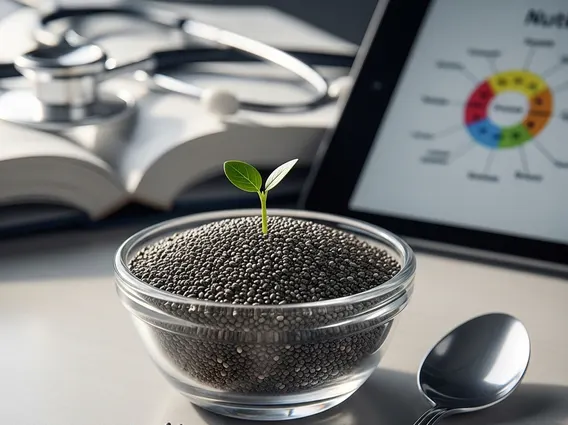
- Chia seeds are rich in omega-3 fatty acids (ALA), dietary fiber, essential minerals, and antioxidants.
- Their omega-3 content helps reduce inflammation, while fiber supports digestive health and a balanced gut microbiome, crucial for cancer patients.
- Easy to incorporate into various meals like smoothies, yogurts, and puddings, they offer versatile ways to boost nutrition.
- While promising for cancer prevention due to their nutritional profile, they should complement, not replace, medical treatments.
- Always consult a healthcare provider or registered dietitian before adding chia seeds to a cancer diet to ensure safety and suitability.
Chia Seeds: A Nutritional Boost for Cancer Diets
Integrating nutrient-dense foods into one’s diet is often a priority for cancer patients seeking to bolster their health during treatment and recovery. Chia seeds stand out as an excellent choice, offering a broad spectrum of nutrients that contribute to overall vitality. These tiny seeds are not only versatile but also packed with components that can provide substantial chia seeds benefits cancer diet.
Essential Vitamins and Minerals
Beyond their renowned fiber and omega-3 content, chia seeds are a good source of several essential vitamins and minerals vital for cellular function and energy production. They provide calcium, magnesium, and phosphorus, which are crucial for bone health, nerve function, and muscle contraction. Additionally, they contain trace amounts of zinc and B vitamins, supporting immune function and metabolism. These micronutrients collectively contribute to the comprehensive chia seeds for cancer nutrition, helping to maintain strength and reduce fatigue often experienced by individuals undergoing cancer treatment.
Antioxidant Properties
Chia seeds are also rich in antioxidants, compounds that help protect the body’s cells from damage caused by free radicals. Oxidative stress, which can be exacerbated by cancer treatments, contributes to inflammation and cellular damage. The antioxidants found in chia seeds, such as quercetin, kaempferol, and caffeic acid, work to neutralize these free radicals. This protective action is particularly beneficial for cancer patients, as it may help mitigate some of the cellular stress and support overall cellular health during a challenging period.
Omega-3s and Fiber: Key Benefits for Cancer Patients
The dual power of omega-3 fatty acids and dietary fiber makes chia seeds exceptionally valuable for individuals managing cancer. These components address critical aspects of health that are often compromised during cancer treatment, offering targeted support for inflammation and digestive well-being. Understanding the specific advantages of omega-3 fiber chia cancer patients can help in making informed dietary choices.
Reducing Inflammation
Chia seeds are one of the richest plant-based sources of alpha-linolenic acid (ALA), an essential omega-3 fatty acid. ALA is known for its potent anti-inflammatory properties, which are crucial for cancer patients. Chronic inflammation can contribute to cancer progression and exacerbate treatment-related side effects. By helping to reduce systemic inflammation, the omega-3s in chia seeds for cancer nutrition can support the body’s healing processes and potentially improve comfort. While more research is needed on direct anti-cancer effects in humans, the general anti-inflammatory benefits are well-established.
Supporting Digestive Health
With their impressive fiber content, chia seeds are among the most effective fiber rich foods for cancer diet. A single serving can provide a significant portion of the recommended daily fiber intake. The fiber in chia seeds is a mix of soluble and insoluble types. Soluble fiber forms a gel-like substance in the digestive tract, which can help regulate blood sugar levels and promote satiety. Insoluble fiber adds bulk to stool, aiding in regular bowel movements and preventing constipation, a common and uncomfortable side effect of many cancer treatments. Furthermore, this fiber acts as a prebiotic, feeding beneficial gut bacteria and supporting a healthy gut microbiome, which is increasingly recognized for its role in immune function and overall health. According to the Dietary Guidelines for Americans, adults should aim for 25-38 grams of fiber daily, yet many fall short, making chia seeds an accessible way to bridge this gap.
Incorporating Chia Seeds into Your Cancer Diet
One of the greatest advantages of chia seeds is their versatility, making incorporating chia seeds in cancer diet both easy and enjoyable. Their mild flavor means they can be added to a wide variety of dishes without altering the taste significantly, allowing patients to enhance their nutritional intake effortlessly.
Simple Recipes and Meal Ideas
There are numerous creative and delicious ways to include chia seeds in daily meals, catering to different preferences and dietary needs. Here are some simple ideas for the best way to eat chia seeds cancer patients might find appealing:
- Smoothies: Blend 1-2 tablespoons of chia seeds into your favorite fruit or vegetable smoothie for an instant boost of fiber and omega-3s.
- Yogurt or Oatmeal: Stir them into a bowl of yogurt, cottage cheese, or hot oatmeal. They will absorb liquid and create a thicker texture.
- Chia Pudding: Mix chia seeds with milk (dairy or non-dairy) and let it sit in the refrigerator for a few hours or overnight. Add fruit, nuts, or a touch of sweetener for a nutritious breakfast or snack.
- Baked Goods: Incorporate them into muffins, breads, or energy bars for added texture and nutrients.
- Salad Topping: Sprinkle a small amount over salads for a subtle crunch and nutritional enhancement.
Preparation Tips for Easy Digestion
While generally well-tolerated, some individuals, especially those with sensitive digestive systems due to cancer treatments, might benefit from specific preparation methods. Soaking chia seeds before consumption is highly recommended. When soaked, they absorb liquid and form a gel, which can make them easier to digest and may prevent potential gastrointestinal discomfort like bloating or gas. Simply mix them with water, juice, or milk in a 1:4 ratio (1 part chia seeds to 4 parts liquid) and let them sit for at least 15-30 minutes, or overnight in the refrigerator. This also helps in better nutrient absorption.
Chia Seeds and Cancer Prevention Potential
Beyond their role in supporting individuals already diagnosed with cancer, there is growing interest in the potential of chia seeds and cancer prevention. The rich nutritional profile of chia seeds, particularly their high fiber and omega-3 content, aligns with dietary recommendations often associated with a reduced risk of various cancers. Fiber, for instance, is known to support gut health and may help in the elimination of carcinogens, while omega-3 fatty acids possess anti-inflammatory properties that could inhibit cancer cell growth and proliferation. While preliminary studies, often in laboratory or animal settings, have shown promising results regarding the anti-cancer effects of chia seed components, human epidemiological and clinical trials are still needed to definitively establish their role in cancer prevention. Nonetheless, incorporating chia seeds into a balanced diet contributes to overall health, which is a cornerstone of disease prevention.
Important Considerations for Cancer Patients
While chia seeds offer numerous health benefits, it is crucial for cancer patients to approach any dietary change with caution and informed decision-making. The unique health status and treatment plans of each individual necessitate personalized guidance.
Consulting Healthcare Providers
Before making any significant dietary changes, including adding chia seeds to a cancer diet, it is imperative to consult with an oncologist, a registered dietitian specializing in oncology, or another healthcare provider. They can provide personalized advice based on the specific type of cancer, stage, ongoing treatments, and individual nutritional needs. This consultation ensures that dietary additions are safe, appropriate, and do not interfere with medications or treatment efficacy. Your healthcare team can offer tailored guidance on the best way to eat chia seeds cancer patients might consider.
Potential Side Effects
Although generally safe, chia seeds can cause side effects in some individuals, particularly when consumed in large quantities or without adequate hydration. These can include gastrointestinal issues such as bloating, gas, and constipation, especially if not introduced gradually or if insufficient water is consumed. Furthermore, due to their omega-3 content, chia seeds may have a mild blood-thinning effect. Patients on anticoagulant medications (blood thinners) should exercise caution and discuss consumption with their doctor to avoid potential interactions. Starting with small amounts (e.g., 1 teaspoon daily) and gradually increasing intake while ensuring sufficient fluid intake can help minimize these potential issues.
Frequently Asked Questions
Can chia seeds interact with cancer medications?
While generally safe, chia seeds contain omega-3 fatty acids (ALA) which can have a mild blood-thinning effect. This means they could potentially interact with anticoagulant medications or certain chemotherapy drugs. It is crucial for cancer patients to discuss their intake of chia seeds with their oncologist or pharmacist to ensure there are no adverse interactions with their specific medications or treatment plan.
What is the recommended daily intake of chia seeds for cancer patients?
There isn’t a universally prescribed daily intake specifically for cancer patients, as individual needs vary greatly. However, a common recommendation for adults is 1 to 2 tablespoons (approximately 15-30 grams) per day. It’s best to start with a smaller amount, such as 1 teaspoon, and gradually increase it while monitoring for any digestive discomfort. Always consult your healthcare provider or a registered dietitian for personalized guidance.
Are there any specific types of cancer for which chia seeds are particularly beneficial?
Current research on chia seeds focuses more on their general nutritional benefits, such as reducing inflammation, supporting digestive health, and providing antioxidants, rather than specific anti-cancer effects for particular cancer types. While these benefits are broadly supportive for cancer patients, chia seeds are not a targeted treatment for any specific cancer. Their value lies in contributing to overall health and well-being as part of a balanced diet.
Disclaimer: The information provided in this article is for educational purposes only and is not intended as medical advice. It should not be used to diagnose or treat any health problem or disease. Always consult with a qualified healthcare professional before making any decisions about your health or treatment. Dietary supplements, including chia seeds, should not replace conventional medical treatment.