Building a Balanced Meal Plan During Chemotherapy
Navigating chemotherapy treatment presents numerous challenges, and maintaining optimal nutrition is paramount for supporting recovery and managing side effects. A well-structured chemotherapy meal plan can significantly impact a patient’s strength, immune function, and overall well-being throughout this demanding period.
Key Takeaways
- Prioritize nutrient-dense foods to support energy levels, immune function, and tissue repair during treatment.
- Consult with a registered dietitian or healthcare provider to develop a personalized balanced meal plan during chemotherapy.
- Implement dietary strategies to actively manage common side effects such as nausea, taste changes, and dry mouth.
- Adhere strictly to food safety guidelines and ensure adequate hydration to prevent complications.
- Focus on small, frequent meals and snacks to maximize nutrient intake, especially on days when appetite is low.
Prioritizing Nutrition During Chemotherapy
During chemotherapy, the body undergoes significant stress, making proper nutrition more critical than ever. A robust nutrition guide for chemotherapy emphasizes the importance of providing the body with the necessary fuel to tolerate treatment, repair cells, and maintain a strong immune system. Patients often face challenges like reduced appetite, fatigue, and various side effects, which can hinder adequate food intake. Studies indicate that up to 80% of cancer patients experience some form of malnutrition, which can lead to poorer treatment outcomes and reduced quality of life. Therefore, proactive dietary planning is essential.
The Role of Macronutrients and Micronutrients
A truly balanced meal plan during chemotherapy must incorporate a thoughtful mix of macronutrients and micronutrients. Macronutrients—proteins, carbohydrates, and fats—are the body’s primary sources of energy. Protein is crucial for cell repair, immune function, and maintaining muscle mass, which can be particularly challenging during treatment. Lean meats, fish, eggs, dairy, legumes, and nuts are excellent sources. Complex carbohydrates, found in whole grains, fruits, and vegetables, provide sustained energy and fiber, aiding digestion. Healthy fats, from avocados, olive oil, and nuts, are calorie-dense and support hormone production and nutrient absorption. Micronutrients, including vitamins and minerals, act as cofactors in countless bodily processes, supporting everything from immune response to energy metabolism. Ensuring a wide variety of fruits and vegetables helps meet these needs.
Consulting a Dietitian for Personalized Advice
While general guidelines are helpful, individual needs during cancer treatment vary significantly. Consulting a registered dietitian specializing in oncology nutrition is one of the most effective healthy eating tips for chemo patients. A dietitian can assess specific nutritional requirements, consider treatment protocols, and address existing health conditions. They can help create a customized chemotherapy diet plan for patients, offering practical strategies to manage symptoms and optimize nutrient intake. This personalized approach ensures that the meal plan is not only balanced but also realistic and sustainable for the individual.
Crafting Your Chemotherapy Meal Plan
Developing a practical chemotherapy meal plan involves understanding what foods are beneficial and how to incorporate them effectively into daily routines. The goal is to maximize nutrient intake while minimizing discomfort, addressing the question of what to eat during chemotherapy. This often means focusing on nutrient-dense foods that are easy to digest and appealing, even when appetite is low. Small, frequent meals throughout the day can be more manageable than three large ones, helping to maintain energy levels and prevent an overly full feeling.
Building Balanced Plates
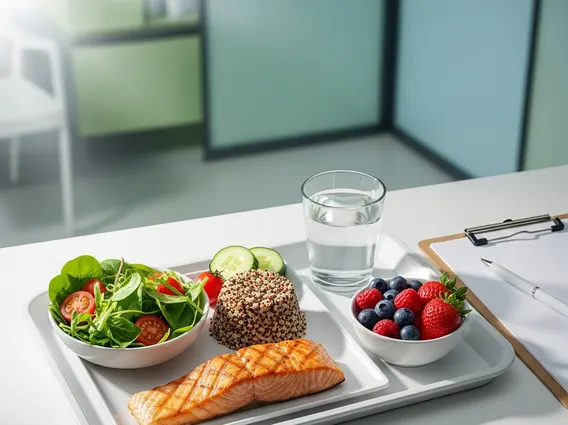
For each meal, aim to include a source of lean protein, a complex carbohydrate, and plenty of fruits and vegetables. This approach ensures a steady supply of energy and essential nutrients. For example, a balanced plate might feature grilled chicken (protein), brown rice (complex carb), and steamed broccoli (vegetables). Incorporating healthy fats, such as a slice of avocado or a drizzle of olive oil, can add calories and enhance nutrient absorption. On days with a good appetite, focus on variety and nutrient density. On days when eating is difficult, prioritize easily digestible, calorie-rich options like smoothies or fortified soups.
Sample Meal Ideas for Different Stages
Having a repertoire of meal ideas for cancer treatment can simplify meal preparation and ensure consistent nutrition. Here are some adaptable suggestions:
| Meal Type | Good Appetite Days | Low Appetite/Nausea Days |
|---|---|---|
| Breakfast | Oatmeal with berries, nuts, and protein powder; Scrambled eggs with whole-wheat toast and avocado. | Plain toast or crackers; Yogurt with a little honey; Smoothies with fruit, protein powder, and milk/fortified beverage. |
| Lunch | Turkey and vegetable wrap on whole-wheat tortilla; Lentil soup with a side salad. | Chicken broth with noodles; Plain baked potato; Rice cakes with a thin spread of nut butter. |
| Dinner | Baked salmon with quinoa and roasted vegetables; Lean ground beef stir-fry with brown rice. | Plain baked chicken or fish; White rice; Mashed potatoes; Small portion of pasta with mild sauce. |
| Snacks | Apple slices with peanut butter; Cottage cheese with fruit; Hard-boiled egg. | Saltine crackers; Applesauce; Gelatin; Popsicles; Small handful of dry cereal. |
Dietary Strategies for Managing Side Effects
One of the most significant aspects of a successful chemotherapy meal plan is its ability to help with managing side effects with diet chemo. Many common side effects, such as nausea, taste changes, and dry mouth, can severely impact food intake and quality of life. Tailoring dietary choices can provide considerable relief and ensure patients continue to receive vital nutrients.
Combating Nausea and Vomiting
Nausea and vomiting are among the most distressing side effects of chemotherapy. To help alleviate these symptoms, consider the following strategies:
- Eat small, frequent meals: An empty stomach can worsen nausea, but large meals can also be overwhelming.
- Choose bland foods: Opt for plain, low-fat, and low-fiber foods like toast, crackers, rice, plain pasta, and boiled chicken.
- Avoid strong odors: Cold or room-temperature foods tend to have less odor than hot foods.
- Stay hydrated: Sip on clear liquids like water, ginger ale (flat), or clear broths throughout the day, but avoid drinking large amounts with meals.
- Ginger: Some studies suggest ginger, in forms like ginger tea or ginger candies, can help reduce nausea.
Addressing Taste Changes and Dry Mouth
Chemotherapy can alter taste perception, making foods taste metallic, bland, or simply unappetizing. Dry mouth (xerostomia) is another common issue that makes eating and swallowing difficult.
- For Taste Changes:
- Experiment with flavors: Use marinades, spices, herbs, and lemon juice to enhance the flavor of foods.
- Avoid metallic tastes: Use plastic utensils instead of metal ones.
- Choose tart foods: Lemon drops, pickles, or citrus fruits can sometimes help neutralize metallic tastes.
- Rinse mouth: Before eating, rinse your mouth with a baking soda and salt solution (1/4 tsp baking soda, 1/8 tsp salt in 1 cup warm water) to clear lingering tastes.
- For Dry Mouth:
- Sip fluids frequently: Keep water or other clear liquids nearby and take small sips throughout the day.
- Moisten foods: Add gravies, sauces, broths, or yogurt to foods to make them easier to chew and swallow.
- Choose soft, moist foods: Opt for pureed soups, mashed potatoes, scrambled eggs, or soft fruits.
- Suck on sugar-free candies or chew gum: This can stimulate saliva production.
Essential Food Safety and Hydration Tips
Patients undergoing chemotherapy often have weakened immune systems, making them more susceptible to foodborne illnesses. Therefore, rigorous food safety practices are a crucial component of any chemotherapy diet plan for patients. Additionally, maintaining adequate hydration is vital for overall health and for mitigating several treatment-related side effects.
Safe Food Handling Practices
Preventing food contamination is paramount for individuals with compromised immunity. Adhering to these guidelines can significantly reduce the risk of infection:
- Wash hands thoroughly: Always wash hands with soap and warm water for at least 20 seconds before and after handling food.
- Cook foods to safe temperatures: Use a food thermometer to ensure meats, poultry, and eggs are cooked to their recommended internal temperatures. Avoid raw or undercooked meats, fish, and eggs.
- Avoid cross-contamination: Use separate cutting boards, utensils, and plates for raw and cooked foods.
- Wash produce: Thoroughly wash all fresh fruits and vegetables under running water, even if they have a peel.
- Refrigerate promptly: Perishable foods should be refrigerated within two hours of cooking or purchasing.
- Avoid certain foods: Steer clear of unpasteurized dairy products, raw sprouts, sushi, deli meats (unless reheated to steaming hot), and unwashed produce from salad bars.
Staying Adequately Hydrated
Hydration is critical for all bodily functions, and even more so during chemotherapy when dehydration can exacerbate fatigue, constipation, and kidney strain. Aim to drink plenty of fluids throughout the day, even if you don’t feel thirsty. Water is the best choice, but broths, diluted juices, clear soups, and electrolyte-rich beverages can also contribute to fluid intake. Avoid excessive caffeine and sugary drinks, which can sometimes lead to dehydration. If nausea makes drinking difficult, try sipping small amounts frequently or consuming ice chips.
Frequently Asked Questions
Is it okay to eat my favorite foods during chemotherapy?
Yes, in moderation and with safety in mind, enjoying your favorite foods can be beneficial for morale and appetite. However, it’s crucial to prioritize nutrient-dense options and ensure all foods are prepared safely to prevent foodborne illness, especially if your immune system is compromised. Discuss any specific dietary concerns or strong cravings with your healthcare team or dietitian to ensure they align with your treatment plan and current health status. Focus on balance and listen to your body’s signals.
How can I maintain my weight if I have no appetite?
Maintaining weight during chemotherapy when appetite is low can be challenging. Focus on consuming small, frequent meals and snacks throughout the day, rather than large meals. Choose nutrient-dense, calorie-rich foods like avocados, nuts, nut butters, full-fat dairy, and olive oil. Incorporate protein powders into smoothies or soups to boost protein intake. Liquid nutrition, such as nutritional supplement drinks, can also be helpful. Consult a dietitian for personalized strategies to maximize calorie and nutrient intake.
Are there any foods I should strictly avoid during chemotherapy?
Yes, certain foods should be strictly avoided due to the increased risk of foodborne illness in immunocompromised patients. These include raw or undercooked meats, poultry, fish (like sushi), and eggs. Also avoid unpasteurized dairy products, raw sprouts, unwashed fruits and vegetables, and foods from salad bars or buffets where temperature control may be inconsistent. Always ensure food is cooked thoroughly and handled safely to minimize infection risk.