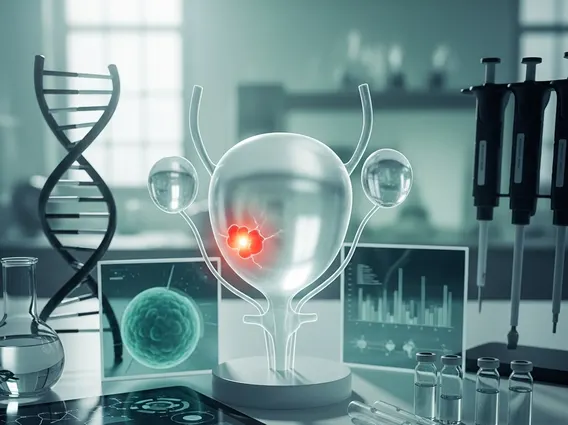
Childhood Cancer FAQs

Childhood Cancer FAQs

Childhood Cancer FAQs

Cancer in children and cancer in adults are fundamentally different diseases — from the way they originate and progress to how they are diagnosed and treated. Understanding these distinctions helps families, caregivers, and patients make informed decisions and set realistic expectations about care and outcomes.

Key Takeaways

  • Childhood cancers most often arise from developmental or genetic errors during rapid cell growth, while adult cancers are more closely linked to cumulative environmental and lifestyle exposures.
  • The most common cancers in children — leukemia, brain tumors, and lymphomas — differ significantly from the most prevalent adult cancers such as breast, lung, and colorectal cancers.
  • Pediatric cancers generally respond more favorably to chemotherapy, contributing to higher overall survival rates compared to many adult cancers.
  • Long-term side effects, known as late effects, are a major concern for childhood cancer survivors and require ongoing monitoring well into adulthood.
  • According to the World Health Organization (WHO), cancer is one of the leading causes of death in children, with approximately 400,000 new cases diagnosed each year globally among those aged 0–19.

How Childhood Cancer Develops Differently Compared to Adult Cancer

Childhood cancer refers to malignancies that develop in individuals typically under the age of 15, though pediatric oncology often extends coverage to young adults up to age 19 or even 25. Unlike adult cancers, which tend to develop gradually over decades as a result of accumulated DNA damage from environmental, behavioral, and lifestyle factors, childhood cancers often arise from errors in the normal developmental process of rapidly dividing cells. The body’s extraordinary growth activity during childhood creates opportunities for genetic mutations that can trigger malignant transformation.

In most pediatric cases, there is no identifiable external cause. Childhood cancers are far less influenced by factors such as smoking, diet, or occupational exposure — factors that play a significant role in many adult cancers. Instead, spontaneous genetic mutations or inherited gene alterations are more commonly implicated. For example, certain chromosomal abnormalities present at birth or occurring during early fetal development are associated with a higher risk of leukemia and other pediatric malignancies.

The biological behavior of tumors also differs considerably between age groups. Pediatric tumors often originate from immature, embryonic-type cells — a category known as embryonal tumors — whereas adult tumors more frequently arise from differentiated epithelial cells that line organs and tissues. This difference in cell origin contributes to distinct tumor biology, treatment sensitivity, and clinical behavior. Pediatric tumors, despite sometimes being more aggressive in presentation, often respond more robustly to chemotherapy than many adult cancers.

Common Cancers in Children vs. Adults: Key Differences in Types and Causes

The spectrum of cancer types seen in children is markedly different from those seen in adults. Understanding these differences is central to appreciating why pediatric and adult oncology are treated as separate medical specialties. Among children, leukemias — particularly acute lymphoblastic leukemia (ALL) — are the most frequently diagnosed cancers, accounting for nearly 28% of all childhood cancers according to the American Cancer Society. Brain and central nervous system tumors are the second most common, followed by lymphomas, neuroblastoma, and Wilms tumor.

In contrast, adult cancers are predominantly solid tumors arising from epithelial tissues. Breast, lung, prostate, and colorectal cancers dominate adult cancer statistics. These malignancies are heavily influenced by aging — the longer cells are exposed to carcinogens and replication errors, the higher the cumulative risk. This is why cancer incidence increases sharply with age in adults, while childhood cancer, though serious, remains comparatively rare.

Feature Childhood Cancer Adult Cancer
Most common types Leukemia, brain tumors, lymphoma Breast, lung, colorectal, prostate
Primary causes Genetic/developmental errors Environmental, lifestyle, aging
Cell origin Embryonal/immature cells Differentiated epithelial cells
Response to chemotherapy Generally high Variable, often lower
Prevention potential Limited Significant (lifestyle modification)

Because the causes of pediatric cancer vs. adult cancer differ so substantially, prevention strategies also diverge. Public health campaigns targeting smoking cessation, obesity reduction, or UV exposure can meaningfully reduce adult cancer risk. For childhood cancers, however, there are currently no established prevention strategies applicable to the general pediatric population, as most cases arise from factors that are not yet modifiable or fully understood.

Childhood Cancer FAQs: Diagnosis, Treatment, and Outcomes

Diagnosing cancer in children presents unique challenges. Children often cannot clearly articulate symptoms, and early signs — such as fatigue, unexplained bruising, or persistent fever — can mimic common childhood illnesses. This can lead to delays in diagnosis, which is why awareness among parents and primary care providers is critical. Pediatric oncologists use a combination of physical examination, blood tests, imaging, and biopsy to confirm a diagnosis, with treatment planning typically carried out by a multidisciplinary team.

Treatment approaches for pediatric cancer vs. adult cancer causes and treatment reflect the biological differences between the two groups. Chemotherapy remains the cornerstone of childhood cancer treatment, often used in combination with surgery and radiation therapy. Protocols are specifically designed for growing bodies, with careful attention to minimizing harm to developing organs. Clinical trials play an especially important role in pediatric oncology; a substantial proportion of children with cancer are enrolled in trials, which has historically driven significant improvements in survival rates.

Outcomes for children with cancer have improved dramatically over recent decades. According to the National Cancer Institute (NCI), the five-year survival rate for all childhood cancers combined now exceeds 85% in high-income countries — a major achievement compared to rates of roughly 58% in the 1970s. However, survival rates vary widely by cancer type, stage at diagnosis, and access to specialized care. In low- and middle-income countries, outcomes remain considerably worse due to limited access to diagnostic resources and treatment facilities.

Treatment Differences That Affect Pediatric Outcomes

Children’s bodies metabolize drugs differently than adults, which requires careful dose calibration based on body surface area or weight. Additionally, growing bones, brains, and reproductive systems are more sensitive to radiation, prompting oncologists to minimize or replace radiation therapy with other modalities when possible. Targeted therapies and immunotherapy, while increasingly used in adult oncology, are also being studied and applied in select pediatric cancers, including certain leukemias and solid tumors with identified genetic drivers.

The Role of Specialized Pediatric Cancer Centers

Children diagnosed with cancer are strongly encouraged to receive treatment at institutions with dedicated pediatric oncology programs. These centers have the expertise, protocols, and supportive care infrastructure necessary to optimize outcomes while managing the unique vulnerabilities of young patients. Access to psychosocial support, nutritional guidance, and educational resources for school reintegration are integral components of comprehensive pediatric cancer care.

Childhood Cancer FAQs on Survival Rates, Side Effects, and Long-Term Care

As survival rates improve, the population of childhood cancer survivors continues to grow. In the United States alone, there are estimated to be more than 500,000 survivors of childhood cancer, according to the American Cancer Society. While survival is a profound achievement, many survivors face long-term consequences of treatment — commonly referred to as late effects — that can affect nearly every organ system and aspect of quality of life.

Late effects include cardiac complications from certain chemotherapy agents, hearing loss from platinum-based drugs, endocrine disruptions affecting growth and fertility, cognitive difficulties following cranial radiation, and an elevated risk of developing secondary cancers later in life. The nature and severity of late effects depend on the type of cancer, the treatments received, and the age at which treatment was administered. Younger children, whose bodies and brains are still developing, are particularly vulnerable to lasting impacts.

Long-term follow-up care is therefore an essential component of the pediatric cancer journey. Survivorship clinics — multidisciplinary programs specifically designed for childhood cancer survivors — monitor for late effects, address psychosocial needs, and coordinate care across specialties as survivors transition into adulthood. Regular surveillance and health screenings are recommended throughout a survivor’s life, as some late effects may not manifest until years or even decades after treatment ends.

Frequently Asked Questions

Are childhood cancers hereditary?

Most childhood cancers are not directly inherited. The majority arise from spontaneous genetic mutations rather than mutations passed down from parents. However, a small percentage — estimated at roughly 5–10% — are linked to inherited genetic syndromes such as Li-Fraumeni syndrome or Down syndrome. Genetic counseling may be recommended for families where a hereditary risk factor is identified, allowing for informed monitoring and, in some cases, early intervention strategies.

Can childhood cancer be prevented?

Unlike many adult cancers, most childhood cancers currently have no known preventable cause, which means standard public health prevention strategies do not broadly apply. Because pediatric malignancies are largely driven by genetic or developmental factors rather than modifiable lifestyle behaviors, there are no widely recommended prevention measures for the general pediatric population at this time. Research into the genetic and environmental contributors to childhood cancer continues to evolve and may inform future prevention strategies.

How long does childhood cancer treatment typically last?

Treatment duration varies significantly depending on the type and stage of cancer. For the most common childhood cancer, acute lymphoblastic leukemia, treatment can last two to three years. Brain tumor treatment timelines depend on tumor grade, location, and the combination of therapies used. In general, childhood cancer treatment tends to be more prolonged than adult treatment regimens, reflecting the aggressive but highly responsive nature of many pediatric malignancies and the need to balance efficacy with long-term safety in developing bodies.


[EN] Cancer Types
Cancer Clinical Trial Options

Specialized matching specifically for oncology clinical trials and cancer care research.

Your Birthday


By filling out this form, you're consenting only to release your medical records. You're not agreeing to participate in clinical trials yet.

Cancer in children and cancer in adults are fundamentally different diseases — from the way they originate and progress to how they are diagnosed and treated. Understanding these distinctions helps families, caregivers, and patients make informed decisions and set realistic expectations about care and outcomes.

Key Takeaways

  • Childhood cancers most often arise from developmental or genetic errors during rapid cell growth, while adult cancers are more closely linked to cumulative environmental and lifestyle exposures.
  • The most common cancers in children — leukemia, brain tumors, and lymphomas — differ significantly from the most prevalent adult cancers such as breast, lung, and colorectal cancers.
  • Pediatric cancers generally respond more favorably to chemotherapy, contributing to higher overall survival rates compared to many adult cancers.
  • Long-term side effects, known as late effects, are a major concern for childhood cancer survivors and require ongoing monitoring well into adulthood.
  • According to the World Health Organization (WHO), cancer is one of the leading causes of death in children, with approximately 400,000 new cases diagnosed each year globally among those aged 0–19.

How Childhood Cancer Develops Differently Compared to Adult Cancer

Childhood cancer refers to malignancies that develop in individuals typically under the age of 15, though pediatric oncology often extends coverage to young adults up to age 19 or even 25. Unlike adult cancers, which tend to develop gradually over decades as a result of accumulated DNA damage from environmental, behavioral, and lifestyle factors, childhood cancers often arise from errors in the normal developmental process of rapidly dividing cells. The body’s extraordinary growth activity during childhood creates opportunities for genetic mutations that can trigger malignant transformation.

In most pediatric cases, there is no identifiable external cause. Childhood cancers are far less influenced by factors such as smoking, diet, or occupational exposure — factors that play a significant role in many adult cancers. Instead, spontaneous genetic mutations or inherited gene alterations are more commonly implicated. For example, certain chromosomal abnormalities present at birth or occurring during early fetal development are associated with a higher risk of leukemia and other pediatric malignancies.

The biological behavior of tumors also differs considerably between age groups. Pediatric tumors often originate from immature, embryonic-type cells — a category known as embryonal tumors — whereas adult tumors more frequently arise from differentiated epithelial cells that line organs and tissues. This difference in cell origin contributes to distinct tumor biology, treatment sensitivity, and clinical behavior. Pediatric tumors, despite sometimes being more aggressive in presentation, often respond more robustly to chemotherapy than many adult cancers.

Common Cancers in Children vs. Adults: Key Differences in Types and Causes

The spectrum of cancer types seen in children is markedly different from those seen in adults. Understanding these differences is central to appreciating why pediatric and adult oncology are treated as separate medical specialties. Among children, leukemias — particularly acute lymphoblastic leukemia (ALL) — are the most frequently diagnosed cancers, accounting for nearly 28% of all childhood cancers according to the American Cancer Society. Brain and central nervous system tumors are the second most common, followed by lymphomas, neuroblastoma, and Wilms tumor.

In contrast, adult cancers are predominantly solid tumors arising from epithelial tissues. Breast, lung, prostate, and colorectal cancers dominate adult cancer statistics. These malignancies are heavily influenced by aging — the longer cells are exposed to carcinogens and replication errors, the higher the cumulative risk. This is why cancer incidence increases sharply with age in adults, while childhood cancer, though serious, remains comparatively rare.

Feature Childhood Cancer Adult Cancer
Most common types Leukemia, brain tumors, lymphoma Breast, lung, colorectal, prostate
Primary causes Genetic/developmental errors Environmental, lifestyle, aging
Cell origin Embryonal/immature cells Differentiated epithelial cells
Response to chemotherapy Generally high Variable, often lower
Prevention potential Limited Significant (lifestyle modification)

Because the causes of pediatric cancer vs. adult cancer differ so substantially, prevention strategies also diverge. Public health campaigns targeting smoking cessation, obesity reduction, or UV exposure can meaningfully reduce adult cancer risk. For childhood cancers, however, there are currently no established prevention strategies applicable to the general pediatric population, as most cases arise from factors that are not yet modifiable or fully understood.

Childhood Cancer FAQs: Diagnosis, Treatment, and Outcomes

Diagnosing cancer in children presents unique challenges. Children often cannot clearly articulate symptoms, and early signs — such as fatigue, unexplained bruising, or persistent fever — can mimic common childhood illnesses. This can lead to delays in diagnosis, which is why awareness among parents and primary care providers is critical. Pediatric oncologists use a combination of physical examination, blood tests, imaging, and biopsy to confirm a diagnosis, with treatment planning typically carried out by a multidisciplinary team.

Treatment approaches for pediatric cancer vs. adult cancer causes and treatment reflect the biological differences between the two groups. Chemotherapy remains the cornerstone of childhood cancer treatment, often used in combination with surgery and radiation therapy. Protocols are specifically designed for growing bodies, with careful attention to minimizing harm to developing organs. Clinical trials play an especially important role in pediatric oncology; a substantial proportion of children with cancer are enrolled in trials, which has historically driven significant improvements in survival rates.

Outcomes for children with cancer have improved dramatically over recent decades. According to the National Cancer Institute (NCI), the five-year survival rate for all childhood cancers combined now exceeds 85% in high-income countries — a major achievement compared to rates of roughly 58% in the 1970s. However, survival rates vary widely by cancer type, stage at diagnosis, and access to specialized care. In low- and middle-income countries, outcomes remain considerably worse due to limited access to diagnostic resources and treatment facilities.

Treatment Differences That Affect Pediatric Outcomes

Children’s bodies metabolize drugs differently than adults, which requires careful dose calibration based on body surface area or weight. Additionally, growing bones, brains, and reproductive systems are more sensitive to radiation, prompting oncologists to minimize or replace radiation therapy with other modalities when possible. Targeted therapies and immunotherapy, while increasingly used in adult oncology, are also being studied and applied in select pediatric cancers, including certain leukemias and solid tumors with identified genetic drivers.

The Role of Specialized Pediatric Cancer Centers

Children diagnosed with cancer are strongly encouraged to receive treatment at institutions with dedicated pediatric oncology programs. These centers have the expertise, protocols, and supportive care infrastructure necessary to optimize outcomes while managing the unique vulnerabilities of young patients. Access to psychosocial support, nutritional guidance, and educational resources for school reintegration are integral components of comprehensive pediatric cancer care.

Childhood Cancer FAQs on Survival Rates, Side Effects, and Long-Term Care

As survival rates improve, the population of childhood cancer survivors continues to grow. In the United States alone, there are estimated to be more than 500,000 survivors of childhood cancer, according to the American Cancer Society. While survival is a profound achievement, many survivors face long-term consequences of treatment — commonly referred to as late effects — that can affect nearly every organ system and aspect of quality of life.

Late effects include cardiac complications from certain chemotherapy agents, hearing loss from platinum-based drugs, endocrine disruptions affecting growth and fertility, cognitive difficulties following cranial radiation, and an elevated risk of developing secondary cancers later in life. The nature and severity of late effects depend on the type of cancer, the treatments received, and the age at which treatment was administered. Younger children, whose bodies and brains are still developing, are particularly vulnerable to lasting impacts.

Long-term follow-up care is therefore an essential component of the pediatric cancer journey. Survivorship clinics — multidisciplinary programs specifically designed for childhood cancer survivors — monitor for late effects, address psychosocial needs, and coordinate care across specialties as survivors transition into adulthood. Regular surveillance and health screenings are recommended throughout a survivor’s life, as some late effects may not manifest until years or even decades after treatment ends.

Frequently Asked Questions

Are childhood cancers hereditary?

Most childhood cancers are not directly inherited. The majority arise from spontaneous genetic mutations rather than mutations passed down from parents. However, a small percentage — estimated at roughly 5–10% — are linked to inherited genetic syndromes such as Li-Fraumeni syndrome or Down syndrome. Genetic counseling may be recommended for families where a hereditary risk factor is identified, allowing for informed monitoring and, in some cases, early intervention strategies.

Can childhood cancer be prevented?

Unlike many adult cancers, most childhood cancers currently have no known preventable cause, which means standard public health prevention strategies do not broadly apply. Because pediatric malignancies are largely driven by genetic or developmental factors rather than modifiable lifestyle behaviors, there are no widely recommended prevention measures for the general pediatric population at this time. Research into the genetic and environmental contributors to childhood cancer continues to evolve and may inform future prevention strategies.

How long does childhood cancer treatment typically last?

Treatment duration varies significantly depending on the type and stage of cancer. For the most common childhood cancer, acute lymphoblastic leukemia, treatment can last two to three years. Brain tumor treatment timelines depend on tumor grade, location, and the combination of therapies used. In general, childhood cancer treatment tends to be more prolonged than adult treatment regimens, reflecting the aggressive but highly responsive nature of many pediatric malignancies and the need to balance efficacy with long-term safety in developing bodies.
[EN] Cancer Types
Cancer Clinical Trial Options

Specialized matching specifically for oncology clinical trials and cancer care research.

Your Birthday


By filling out this form, you're consenting only to release your medical records. You're not agreeing to participate in clinical trials yet.

Massive Bio has onboarded over 160,000+ cancer patients to find their clinical trial

Most Recent Article