
What Happens During Radiation Therapy?
Radiation therapy is a common and effective cancer treatment that uses high-energy rays to destroy cancer cells and shrink tumors. This article provides a comprehensive overview of the entire radiation therapy process, from initial planning to post-treatment follow-up.
Key Takeaways
- Radiation therapy precisely targets cancer cells, damaging their DNA to prevent growth and division.
- The process begins with detailed planning, including imaging and simulation, to create a personalized treatment plan.
- Daily treatment sessions are typically short, painless, and involve careful positioning to ensure accuracy.
- Patients may experience short-term side effects like fatigue and skin changes, which are generally manageable.
- Post-treatment follow-up is crucial for monitoring recovery and checking for any signs of recurrence.
How Radiation Therapy Works
Understanding how does radiation therapy work is fundamental to appreciating its role in cancer treatment. This therapy harnesses high-energy radiation to damage the DNA within cancer cells, preventing them from growing and dividing. While it also affects healthy cells, they are generally more resilient and capable of repairing themselves, unlike cancer cells.
Principles of action
Radiation therapy works by delivering targeted doses of radiation to a specific area of the body where cancer is located. This radiation can be in the form of photons (X-rays or gamma rays) or charged particles (protons or electrons). The energy from these rays creates tiny breaks in the DNA of cancer cells. When the DNA is damaged beyond repair, the cells stop dividing and eventually die, allowing the body to eliminate them naturally. This precise targeting minimizes damage to surrounding healthy tissues, making it a highly effective treatment modality.
According to the American Society for Radiation Oncology (ASTRO), radiation therapy is a highly effective treatment, with over half of all cancer patients receiving it as part of their care. It can be used to cure cancer, shrink tumors before surgery, destroy remaining cancer cells after surgery, or alleviate symptoms like pain.
Types of radiation delivery
There are two primary methods for delivering radiation therapy, each tailored to different types of cancer and patient needs:
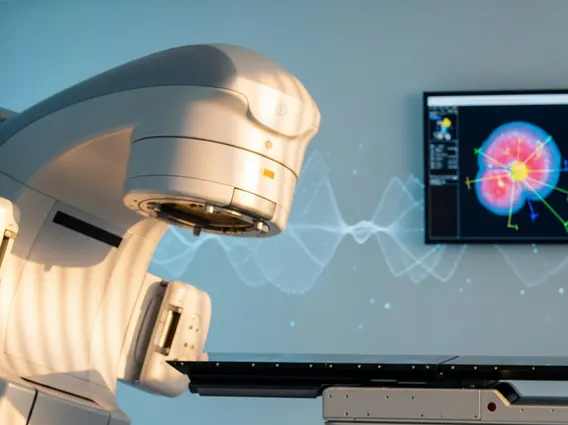
- External Beam Radiation Therapy (EBRT): This is the most common type, where a machine outside the body (often a linear accelerator or LINAC) directs radiation beams to the tumor. The machine moves around the patient, delivering radiation from various angles to ensure the tumor receives the prescribed dose while sparing healthy tissue.
- Brachytherapy (Internal Radiation Therapy): In this method, a radioactive source is placed directly inside or very close to the tumor. This can involve temporary placement (e.g., high-dose-rate brachytherapy) or permanent implantation (e.g., radioactive seeds). Brachytherapy delivers a high dose of radiation to a small area, making it effective for certain cancers like prostate, cervical, and breast cancer.
Planning Your Radiation Therapy Process
The success of radiation therapy heavily relies on meticulous planning, which ensures that the radiation is delivered precisely to the tumor while minimizing exposure to healthy tissues. This intricate process is a crucial part of the overall radiation therapy procedure steps.
Simulation and imaging
The planning phase begins with a simulation appointment, which is typically the longest visit. During this session, your radiation oncology team uses advanced imaging techniques to precisely locate the tumor and define the treatment area. This often involves a specialized CT scan, and sometimes MRI or PET scans, to create detailed 3D images of your anatomy. You may be fitted with custom immobilization devices, such as molds, casts, or masks, to help you remain perfectly still during each treatment session. These devices ensure that the radiation beams consistently target the exact same spot every time, which is vital for accuracy.
Creating your treatment plan
Once the imaging data is collected, a multidisciplinary team, including a radiation oncologist, medical physicist, and dosimetrist, collaborates to design your personalized treatment plan. The radiation oncologist outlines the target area and critical organs to avoid. The medical physicist and dosimetrist then use sophisticated computer software to calculate the precise angles, shapes, and intensities of the radiation beams needed to deliver the prescribed dose to the tumor while protecting surrounding healthy tissues. This plan specifies the exact amount of radiation, the number of treatments (fractions), and the schedule, ensuring optimal therapeutic effect with minimal side effects.
Your Daily Radiation Treatment Sessions
After the meticulous planning phase, patients proceed to their daily treatment sessions. Knowing what to expect during radiation treatment can help alleviate anxiety and prepare you for this routine part of your cancer care journey.
The treatment room and setup
Each session takes place in a specialized treatment room, typically equipped with a linear accelerator (LINAC). When you arrive, a radiation therapist will guide you to the treatment couch and help you get into the exact position determined during your simulation. The immobilization devices created earlier will be used to ensure you are positioned precisely. The therapists use reference marks (often small, permanent tattoos or temporary skin markings) to align the machine accurately. This setup process is critical and ensures that the radiation is delivered to the intended target with high precision.
During the session
Once you are comfortably and correctly positioned, the radiation therapists will leave the room and monitor you from an adjacent control room using cameras and an intercom system. The LINAC machine will then deliver the radiation. You will hear the machine moving and possibly a buzzing sound, but you will not feel anything during the treatment itself. The actual delivery of radiation usually lasts only a few minutes, though the entire appointment, including setup, may take 10-30 minutes. It’s important to remain still and breathe normally during the session. If you need anything, you can speak to the therapists through the intercom, and they can pause the treatment if necessary. This routine is a key part of the radiation therapy process explained to ensure consistent and effective treatment.
Managing Radiation Therapy Side Effects
While radiation therapy is highly effective, it can cause side effects as healthy cells in the treatment area are also affected. Understanding these potential effects and how to manage them is an important aspect of your overall care.
Common short-term effects
Side effects from radiation therapy are typically localized to the treated area and often begin a few weeks into treatment, peaking towards the end or shortly after. Common short-term effects include:
- Fatigue: This is one of the most common side effects, often described as a profound tiredness that isn’t relieved by rest. It can be caused by the body’s response to radiation and the effort of repairing damaged cells.
- Skin Changes: The skin in the treated area may become red, dry, itchy, sensitive, or peel, similar to a sunburn. Your care team will provide specific instructions for skin care to minimize discomfort.
- Site-Specific Effects: Depending on the area treated, other side effects may occur. For example, radiation to the head and neck can cause mouth sores, difficulty swallowing, or changes in taste. Pelvic radiation might lead to diarrhea or bladder irritation. Hair loss only occurs in the treated area.
Most short-term side effects are temporary and gradually resolve within weeks or months after treatment concludes. Your medical team will monitor these effects closely and provide strategies and medications to help manage them effectively.
Long-term considerations
While most side effects are temporary, some individuals may experience long-term or late effects, which can develop months or even years after treatment. These are less common and depend heavily on the treated area, the total radiation dose, and individual health factors. Examples might include changes in tissue texture, lymphedema (swelling), or, rarely, secondary cancers. Your oncology team will discuss potential long-term risks specific to your treatment plan and provide guidance on monitoring and managing them. Regular follow-up appointments are crucial for identifying and addressing any late effects promptly.
Life After Radiation Treatment: Follow-Up
Completing your course of radiation therapy is a significant milestone, but the journey doesn’t end there. The period after treatment is crucial for recovery, monitoring, and ensuring the long-term success of your therapy. This phase is vital for understanding radiation treatment‘s full impact and ensuring ongoing health.
Post-treatment appointments
After your last radiation session, your oncology team will schedule regular follow-up appointments. These visits are essential for monitoring your recovery, assessing any lingering side effects, and evaluating the effectiveness of the treatment. The frequency of these appointments may decrease over time, starting perhaps every few months and gradually extending to once a year. During these visits, your doctor will perform physical exams, discuss your symptoms, and order necessary tests to check your overall health and ensure you are healing well.
Monitoring for recurrence
A primary goal of post-treatment follow-up is to monitor for any signs of cancer recurrence. This typically involves a combination of physical examinations, blood tests (including tumor markers if applicable), and imaging scans such as CT, MRI, or PET scans. The specific tests and their frequency will depend on the type and stage of cancer you had, as well as your individual risk factors. Early detection of any recurrence is critical for effective intervention, reinforcing the importance of adhering to your follow-up schedule and openly communicating any new symptoms or concerns with your healthcare team.
Frequently Asked Questions
Is radiation therapy painful?
No, the actual delivery of radiation during a treatment session is painless. You won’t feel the radiation beams as they pass through your body. Some patients may experience discomfort from lying still on the treatment couch or from side effects that develop over time, such as skin irritation or fatigue, but the radiation itself does not cause immediate pain. The process is carefully controlled, and you are monitored by therapists throughout the brief treatment delivery.
How long does a typical radiation therapy session last?
A typical daily radiation therapy session is quite brief. While the entire appointment, including getting ready and positioned, might take between 10 to 30 minutes, the actual time the radiation machine is delivering treatment is usually only a few minutes. The precise duration depends on the specific treatment plan and the type of machine used. This efficiency allows patients to often fit their treatments into their daily routines.
Are the side effects of radiation therapy permanent?
Most side effects of radiation therapy are temporary and resolve within weeks or months after treatment concludes. Common short-term effects like fatigue and skin irritation typically improve as your body recovers. While some individuals may experience long-term or late effects, these are less common and depend on various factors including the treated area and total dose. Your oncology team will discuss potential long-term risks and provide guidance for managing them.



