Wearable Health Trackers
Wearable health trackers have revolutionized personal health management, offering individuals unprecedented insights into their daily well-being. These compact devices, worn on the wrist or body, continuously monitor various physiological metrics, empowering users to make informed decisions about their lifestyle and health goals. From tracking activity levels to monitoring sleep patterns, these technologies are transforming how we approach preventive care and personal fitness.
Key Takeaways
- Wearable health trackers utilize advanced sensors to monitor a wide range of health metrics, including heart rate, activity, and sleep.
- The benefits of wearable health trackers include increased self-awareness, motivation for healthier habits, and valuable data for healthcare discussions.
- When choosing a device, consider factors like types of wearable health trackers, desired features, budget, and read wearable health tracker reviews.
- While generally reliable, the accuracy of wearable health trackers can vary depending on the device, activity, and proper usage.
- Specialized options, such as wearable health trackers for seniors, offer features like fall detection and medication reminders.
How Wearable Health Trackers Work
Understanding how do wearable health trackers work involves delving into the sophisticated sensor technology embedded within these devices. At their core, most trackers employ a combination of sensors to collect data about the wearer’s body and movement. Accelerometers detect motion and orientation, allowing the device to count steps, estimate distance traveled, and identify different types of physical activity. Gyroscopes complement accelerometers by measuring rotation and twist, further refining movement tracking.
Optical heart rate sensors are another common component, using photoplethysmography (PPG) to measure changes in blood volume under the skin. This technology shines LED light onto the skin and detects how much light is absorbed or reflected by blood flow, thereby calculating heart rate. More advanced trackers may include electrodermal activity (EDA) sensors to detect stress levels by measuring sweat gland activity, or even electrocardiogram (ECG) sensors to capture electrical signals from the heart, offering more precise heart health data. This continuous data collection forms the foundation for the insights provided to the user.
Once data is collected, it is processed by internal algorithms and typically synchronized with a smartphone application via Bluetooth. These algorithms interpret raw sensor data into meaningful metrics such as calories burned, sleep stages (light, deep, REM), and even blood oxygen saturation (SpO2) levels. While these devices offer valuable insights, it’s important to consider the accuracy of wearable health trackers. Factors like device fit, skin tone, movement type, and even environmental conditions can influence sensor readings. While generally reliable for trend tracking and motivational purposes, they are not medical-grade diagnostic tools and should not replace professional medical advice.
Benefits of Using a Health Tracker
The benefits of wearable health trackers extend far beyond simple step counting, offering a holistic approach to personal well-being. One of the primary advantages is increased self-awareness. By providing real-time and historical data on activity levels, sleep patterns, and heart rate, these devices empower users to understand their bodies better and identify areas for improvement. This data-driven insight can be a powerful motivator for adopting healthier habits, such as increasing daily physical activity or improving sleep hygiene.
Moreover, these trackers can play a significant role in promoting consistent physical activity. A study published in the Journal of the American Medical Association (JAMA) found that individuals using activity trackers tend to increase their daily step count, contributing to better cardiovascular health. By setting personalized goals and receiving reminders, users are more likely to stay engaged with their fitness routines. Beyond physical activity, many trackers offer features like guided breathing exercises for stress management and detailed sleep analysis, helping users optimize their rest and recovery, which is crucial for overall health.
For individuals managing chronic conditions or simply seeking to maintain good health, wearable health trackers provide valuable data that can be shared with healthcare providers. Trends in heart rate variability, sleep disturbances, or activity levels can offer doctors a more comprehensive picture of a patient’s daily life, aiding in diagnosis and treatment planning. While not a substitute for professional medical devices, the continuous monitoring capability of these wearables offers a proactive approach to health, enabling early detection of subtle changes that might warrant further investigation.
Choosing the Right Wearable Health Tracker
Selecting the ideal wearable health tracker requires careful consideration of individual needs, lifestyle, and budget. With a vast array of options available, understanding the different types of wearable health trackers and their features is crucial. Factors such as battery life, water resistance, display type, and compatibility with your smartphone are practical considerations that will impact daily usability. Consulting wearable health tracker reviews can also provide valuable insights into real-world performance and user satisfaction, helping to narrow down the choices and identify the best wearable health trackers for specific requirements.
Before making a purchase, it’s beneficial to define your primary health goals. Are you focused on general fitness, advanced athletic training, sleep improvement, or monitoring specific health metrics? Different trackers excel in different areas. For instance, some are highly specialized for runners with advanced GPS and performance metrics, while others prioritize comprehensive health monitoring with features like ECG and skin temperature tracking. Understanding these distinctions will guide you towards a device that truly supports your objectives.
Key Features to Consider
When evaluating potential purchases, several key features differentiate wearable health trackers and cater to various user preferences:
| Feature | Description | Benefit |
|---|---|---|
| Heart Rate Monitoring | Continuous or on-demand tracking of heart rate. | Provides insights into fitness levels, stress, and recovery. |
| GPS Tracking | Built-in GPS for mapping outdoor activities. | Accurate distance, pace, and route tracking without a phone. |
| Sleep Tracking | Monitors sleep stages (light, deep, REM) and duration. | Helps identify sleep patterns and improve sleep quality. |
| Water Resistance | Ability to withstand water exposure (e.g., swimming, showering). | Allows for use during water-based activities and daily wear. |
| Battery Life | How long the device can operate on a single charge. | Longer battery life means less frequent charging. |
| Smart Notifications | Receiving alerts for calls, texts, and apps on the device. | Convenient access to essential information without checking your phone. |
Specific Needs and Demographics
The market for wearable health trackers has expanded to cater to diverse user groups, each with unique requirements. Athletes, for example, might prioritize advanced metrics like VO2 max, training load, and recovery time, often found in higher-end sports watches. For general fitness enthusiasts, a basic tracker that monitors steps, calories, and heart rate might suffice, offering a balance of features and affordability. Individuals focused on stress management might seek devices with EDA sensors and guided meditation features.
A growing segment is wearable health trackers for seniors, which are designed with ease of use and safety in mind. These devices often feature larger displays, simpler interfaces, and crucial safety functions. Key features for seniors can include fall detection, which automatically alerts emergency contacts if a fall is detected, and emergency SOS buttons for immediate assistance. Some trackers also offer medication reminders and passive health monitoring that can provide peace of mind for both the wearer and their family members. When selecting a tracker for seniors, prioritize reliability, simplicity, and robust safety features.
Frequently Asked Questions
What are the main types of wearable health trackers available today?
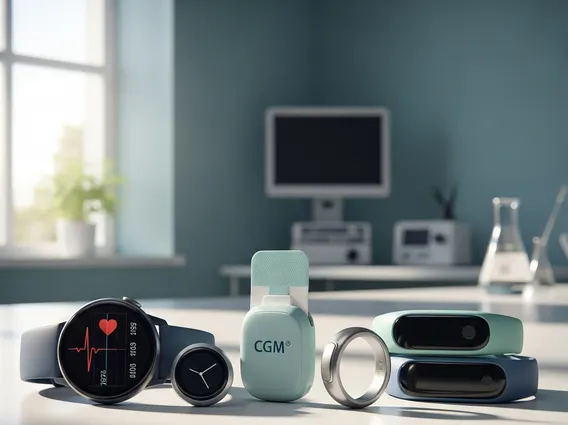
The market offers several types of wearable health trackers, primarily categorized by form factor and functionality. Common types include fitness bands, which are typically slim and focus on basic activity and sleep tracking; smartwatches, which offer broader functionality like notifications and apps in addition to health monitoring; and specialized devices like chest straps for highly accurate heart rate during exercise, or smart rings for discreet health insights. Each type caters to different user preferences and specific health tracking needs.
How accurate are wearable health trackers generally?
The accuracy of wearable health trackers varies depending on the metric being measured and the quality of the device. For step counting and heart rate, most modern trackers are reasonably accurate for general use, especially during steady-state activities. However, factors like device fit, skin tone, and the intensity of movement can influence readings. While excellent for tracking trends and motivating healthier habits, they are not medical-grade devices and should not be used for diagnostic purposes or to replace professional medical advice.
Who can benefit most from using a wearable health tracker?
Virtually anyone looking to gain better insight into their health and fitness can experience the benefits of wearable health trackers. They are particularly beneficial for individuals aiming to increase physical activity, improve sleep quality, manage stress, or monitor general well-being. Athletes can use them for performance optimization, while individuals with specific health goals can track progress. Even wearable health trackers for seniors offer crucial safety features and health monitoring, providing peace of mind for users and their families.