Urinary Diversion
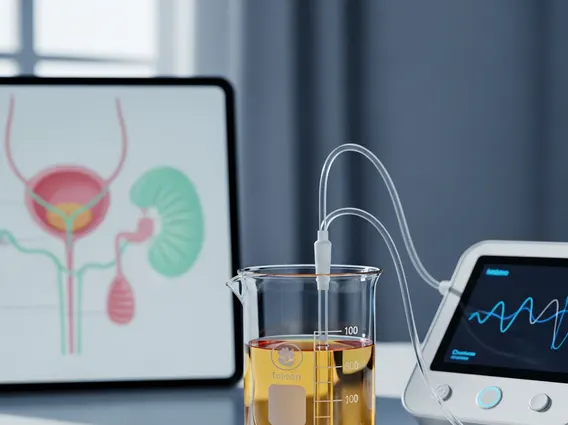
Urinary diversion is a surgical procedure that creates a new way for urine to exit the body when the bladder is unable to function properly or needs to be removed. This crucial intervention helps individuals maintain urinary function and quality of life.
Key Takeaways
- Urinary diversion is a surgical solution for bladder dysfunction or removal, rerouting urine flow.
- It’s performed for various medical reasons, including cancer, trauma, and neurological conditions.
- Procedures are categorized into incontinent (e.g., ileal conduit) and continent diversions (e.g., neobladder, continent cutaneous reservoir).
- Living with a urinary diversion involves learning specific care routines, managing equipment, and accessing support.
- Proper education and ongoing medical follow-up are essential for successful long-term management.
Defining Urinary Diversion: What It Is and Why It’s Done
Urinary Diversion refers to a range of surgical procedures designed to reroute the normal flow of urine from the kidneys when the bladder is no longer capable of storing or expelling urine effectively. This can be due to disease, injury, or congenital conditions. The goal is to preserve kidney function and provide a safe, manageable way for the body to eliminate urine.
The primary reasons for urinary diversion include bladder cancer, often necessitating bladder removal (cystectomy), severe bladder dysfunction due to neurological conditions (such as spinal cord injury), chronic inflammation, radiation damage, or traumatic injury to the bladder. In some cases, it may also be performed for complex congenital anomalies of the urinary tract. The decision for urinary diversion surgery is made after careful consideration of the patient’s overall health and the underlying condition.
Types of Urinary Diversion Procedures
There are several types of urinary diversion procedures, broadly categorized into incontinent and continent diversions. The choice of procedure depends on factors such as the patient’s medical condition, surgical history, lifestyle, and personal preferences. Each method offers distinct advantages and considerations for long-term management.
| Type of Diversion | Description | Key Features |
|---|---|---|
| Incontinent Diversion (e.g., Ileal Conduit) | A segment of the small intestine (ileum) is used to create a passageway for urine. One end connects to the ureters, the other forms a stoma on the abdominal wall. Urine continuously drains into an external collection pouch. |
|
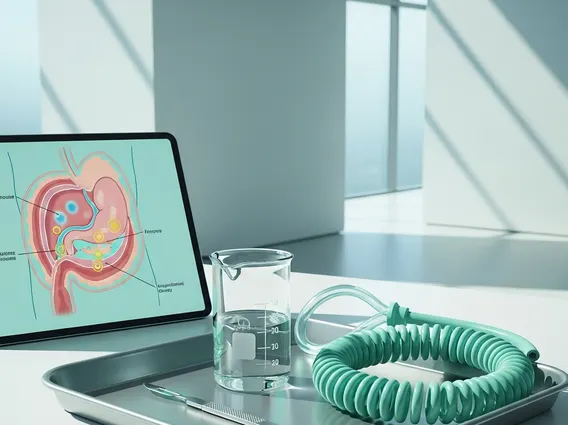
| Continent Cutaneous Diversion (e.g., Indiana Pouch) | An internal reservoir, often from intestine, stores urine. A stoma with a valve prevents continuous leakage. The patient inserts a catheter into the stoma at regular intervals to drain urine. |
|
| Orthotopic Neobladder | A new bladder is constructed internally from intestine, connected to the ureters and urethra. This allows voiding through the urethra, often requiring specific techniques. |
|
Living with a Urinary Diversion: Care and Support
Adjusting to living with a urinary diversion involves learning new routines for managing urinary output and maintaining overall health. For incontinent diversions, this includes proper stoma care and regular changing of the ostomy pouch to prevent skin irritation and infection. Patients with continent diversions, such as a neobladder or continent cutaneous reservoir, will learn techniques for intermittent catheterization or specific voiding methods.
Ongoing care involves regular follow-up appointments with healthcare providers, including urologists and ostomy nurses, to monitor kidney function, check for complications, and ensure proper management. Education is crucial, covering topics like diet, hydration, hygiene, and recognizing signs of potential issues. Support groups and resources, such as those from the United Ostomy Associations of America (UOAA), can provide valuable emotional and practical assistance, helping individuals adapt to their new way of life and maintain a high quality of living.