Ureteroscopy
Ureteroscopy is a minimally invasive medical procedure used to diagnose and treat various conditions affecting the urinary tract, particularly kidney stones. It offers an effective approach for managing stones located in the ureter or kidney.
Key Takeaways
- Ureteroscopy is a minimally invasive procedure to diagnose and treat kidney stones and other urinary tract issues.
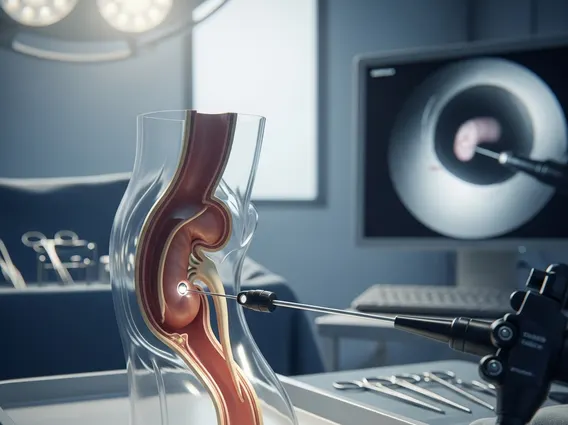
- It involves inserting a thin, flexible scope through the urethra and bladder into the ureter or kidney.
- Stones can be fragmented using a laser or removed directly with a basket device.
- Recovery typically involves mild discomfort, frequent urination, and sometimes a temporary ureteral stent.
- Potential risks include infection, bleeding, and ureteral injury, though serious complications are rare.
What is Ureteroscopy?
Ureteroscopy is a medical procedure performed by urologists to visualize and treat problems within the urinary tract, specifically the ureters (tubes connecting the kidneys to the bladder) and kidneys. This technique involves the insertion of a small, flexible or rigid telescope, called a ureteroscope, through the urethra and bladder, and then up into the ureter or kidney. It is primarily used for the diagnosis and treatment of kidney stones, but can also be employed to investigate other conditions such as unexplained bleeding, tumors, or strictures (narrowing) within the urinary tract. The minimally invasive nature of ureteroscopy makes it a preferred option for many patients.
How Ureteroscopy is Performed
The ureteroscopy procedure is typically performed under general anesthesia, ensuring the patient’s comfort throughout. Once the patient is anesthetized, the urologist carefully inserts the ureteroscope into the urethra. The scope is then advanced through the bladder and into the ureter, and if necessary, up into the kidney. The instrument provides a clear view of the urinary tract lining, allowing the surgeon to identify the problem area. For kidney stones, the surgeon can use various tools passed through the scope:
- A small basket device may be used to grasp and remove smaller stones directly.
- For larger stones, a laser fiber is often inserted through the scope to break the stone into smaller fragments. These fragments can then be passed naturally or removed with the basket.
After the stone is treated or removed, a temporary ureteral stent may be placed. This small, hollow tube helps keep the ureter open, allowing urine to drain and preventing swelling, which can be particularly helpful after stone fragmentation. The stent is usually removed a few days to a few weeks later in a separate, simpler procedure.
Ureteroscopy Recovery, Side Effects, and Risks
Following the procedure, ureteroscopy recovery time and tips are crucial for a smooth healing process. Most patients can return home the same day. It is common to experience some discomfort, including mild pain in the back or lower abdomen, frequent urination, and blood in the urine for a few days. Staying well-hydrated is important to help flush the urinary system. Pain medication will be prescribed to manage discomfort. If a ureteral stent was placed, patients might experience stent-related symptoms such as bladder spasms, increased urinary frequency and urgency, and discomfort during urination or physical activity. These symptoms usually subside once the stent is removed.
While generally safe, there are potential ureteroscopy side effects and risks. Common side effects include:
- Mild pain and discomfort
- Blood in the urine
- Frequent or urgent need to urinate
- Bladder spasms (if a stent is present)
More serious, though rare, risks include urinary tract infection (UTI), ureteral injury (such as perforation or stricture formation), and bleeding that requires intervention. The risk of serious complications is relatively low, with studies indicating a high success rate for stone removal and a low incidence of major adverse events. For instance, the American Urological Association reports high success rates for ureteroscopy in treating stones, with serious complications occurring in a small percentage of cases. Patients should contact their doctor if they experience severe pain, fever, chills, or persistent heavy bleeding.