Upper Extremity
The upper extremity is a complex and vital part of the human body, essential for a wide range of daily activities. Understanding its intricate structure and common issues is crucial for maintaining overall health and mobility.
Key Takeaways
- The upper extremity comprises the shoulder, arm, forearm, wrist, and hand, enabling diverse movements.
- Its primary functions include manipulation, sensation, and support, crucial for daily tasks and interaction with the environment.
- Complex anatomy involves a network of bones, muscles, nerves, and blood vessels working in concert.
- Common conditions range from acute injuries like fractures and sprains to chronic issues such as nerve compressions and arthritis.
- Early diagnosis and appropriate management are key to preserving optimal upper extremity function and quality of life.
What is Upper Extremity?
The Upper Extremity refers to the paired appendages extending from the shoulder girdle to the fingertips, playing a crucial role in interaction with the environment. This region is fundamental for performing a vast array of tasks, from fine motor skills to heavy lifting. The comprehensive definition of the upper extremity encompasses all the anatomical structures that facilitate these complex movements and sensory perceptions, making it an indispensable part of human anatomy.
It is designed for mobility and dexterity, allowing humans to manipulate objects, communicate, and navigate their surroundings effectively. The intricate arrangement of bones, joints, muscles, nerves, and blood vessels within this region enables its remarkable versatility.
Anatomy and Functions of the Upper Extremity
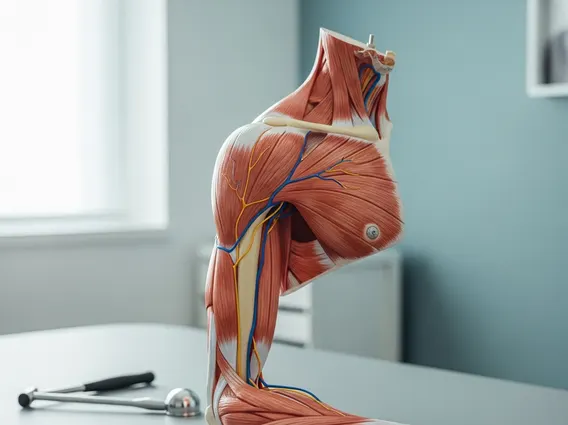
The upper extremity anatomy and physiology are remarkably complex, allowing for an extensive range of motion and precise control. It is broadly divided into several regions, each with specific bones, muscles, and neurovascular structures contributing to its overall function. The primary components include the shoulder, arm, forearm, wrist, and hand.
The functions of the human upper extremity are diverse and critical for daily living. These functions include:
- Manipulation: Grasping, holding, and moving objects with precision.
- Reaching: Extending the limb to interact with distant items.
- Sensation: Providing tactile feedback, temperature perception, and proprioception (awareness of body position).
- Support: Assisting in weight-bearing activities, though not its primary role.
- Communication: Facilitating gestures and non-verbal expression.
Collectively, these functions enable humans to perform intricate tasks, from writing and eating to complex athletic movements, highlighting the vital role of the upper extremity in human capability and independence.
Common Upper Extremity Conditions
A wide range of injuries and medical issues can affect this intricate region, leading to pain, reduced mobility, and impaired function. Understanding common upper extremity conditions explained is essential for timely diagnosis and effective management. These conditions can arise from acute trauma, repetitive strain, degenerative processes, or systemic diseases.
Some prevalent conditions include:
- Fractures: Breaks in bones such such as the clavicle, humerus, radius, ulna, or carpal bones, often resulting from falls or direct impact.
- Sprains and Strains: Injuries to ligaments (sprains) or muscles/tendons (strains), frequently occurring in the shoulder, elbow, or wrist due to overextension or sudden movements.
- Carpal Tunnel Syndrome: A common nerve compression disorder affecting the median nerve in the wrist, leading to numbness, tingling, and weakness in the hand and fingers.
- Rotator Cuff Injuries: Tears or inflammation in the group of muscles and tendons surrounding the shoulder joint, causing pain and limiting arm movement.
- Arthritis: Inflammation of the joints, such as osteoarthritis or rheumatoid arthritis, which can affect any joint in the upper extremity, leading to pain, stiffness, and swelling.
According to the World Health Organization (WHO), musculoskeletal conditions, including those affecting the upper extremity, are a leading cause of disability worldwide, underscoring the significant impact these conditions have on public health and individual well-being.