Unilateral Salpingo Oophorectomy
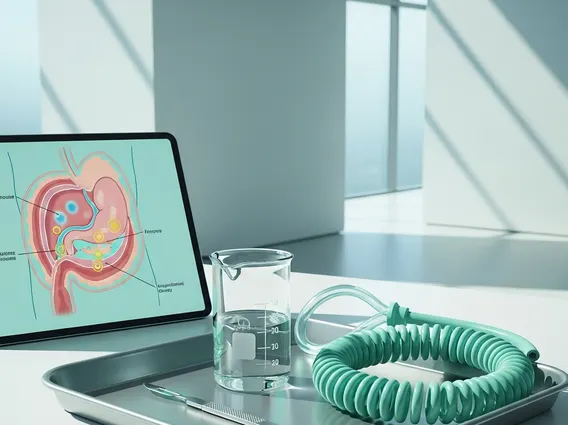
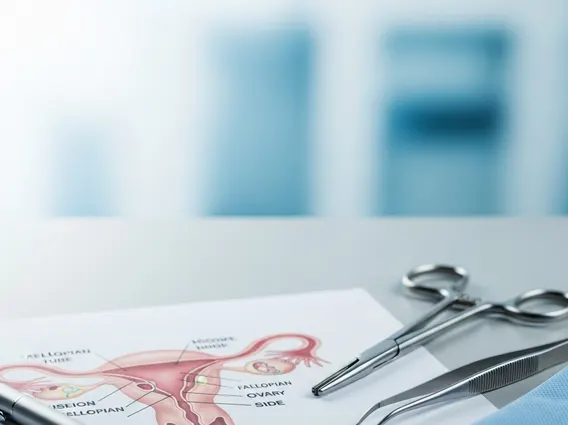
Unilateral Salpingo Oophorectomy is a surgical procedure involving the removal of one ovary and its corresponding fallopian tube. This operation is performed for a variety of medical reasons, primarily to treat or manage conditions affecting the reproductive system.
Key Takeaways
- Unilateral Salpingo Oophorectomy is the surgical removal of one ovary and its adjacent fallopian tube.
- Common reasons for the procedure include ovarian cysts, ectopic pregnancies, endometriosis, and certain cancers.
- Recovery typically involves managing pain and restricting activity for a few weeks.
- Life after unilateral salpingo oophorectomy often sees preserved fertility and minimal hormonal impact if the remaining ovary is healthy.
- The decision for this surgery is made after careful consideration of a patient’s specific medical condition.
What is Unilateral Salpingo Oophorectomy?
Unilateral Salpingo Oophorectomy refers to a surgical procedure where a single ovary and its attached fallopian tube are removed. The term “unilateral” indicates that only one side of the reproductive system is affected, distinguishing it from a bilateral procedure where both ovaries and fallopian tubes are removed. This operation is a significant gynecological surgery, often performed to address various health concerns impacting the female reproductive system.
The procedure can be performed using different surgical techniques, including traditional open surgery (laparotomy) or minimally invasive approaches such as laparoscopy. The choice of technique depends on factors like the patient’s overall health, the size and nature of the condition being treated, and the surgeon’s expertise. Regardless of the method, the primary goal is to safely remove the affected ovary and fallopian tube while preserving the remaining healthy reproductive organs.
Reasons for Unilateral Salpingo Oophorectomy
The decision to perform a Unilateral Salpingo Oophorectomy is based on specific medical indications that necessitate the removal of one ovary and fallopian tube. These reasons often involve conditions that pose a risk to a woman’s health, fertility, or overall well-being. Common reasons include:
- Ovarian Cysts: Large, persistent, symptomatic, or suspicious ovarian cysts that do not resolve on their own and may indicate a risk of malignancy.
- Ectopic Pregnancy: When a fertilized egg implants outside the uterus, most commonly in the fallopian tube, and the tube is damaged or ruptured.
- Ovarian Torsion: A medical emergency where an ovary twists around its supporting ligaments, cutting off its blood supply. If the ovary cannot be salvaged, removal is necessary.
- Endometriosis: Severe cases of endometriosis affecting the ovary (endometriomas) that cause significant pain or are resistant to other treatments.
- Ovarian Cancer: In cases of early-stage ovarian cancer confined to one ovary, or as part of a staging procedure.
- Benign Tumors: Other non-cancerous growths or tumors on the ovary or fallopian tube that cause symptoms or are large.
Each case is carefully evaluated by a medical professional, considering the patient’s age, desire for future fertility, and the specific nature of the condition to determine the most appropriate course of action.
Unilateral Salpingo Oophorectomy Recovery and Life After
The Unilateral Salpingo Oophorectomy recovery process varies depending on the surgical technique used and individual patient factors. Generally, immediate recovery involves managing post-operative pain with medication, monitoring the incision site for signs of infection, and gradually increasing activity levels. Patients are typically advised to avoid heavy lifting and strenuous activities for several weeks to allow for proper internal healing. The hospital stay can range from a few hours for laparoscopic procedures to a few days for open surgery, with full recovery often taking 4 to 6 weeks.
Life after unilateral salpingo oophorectomy is generally well-adjusted, especially if the remaining ovary is healthy and functional. Since one ovary remains, it typically continues to produce hormones, meaning most women do not experience immediate menopause or significant hormonal imbalances. Fertility is often preserved, as the remaining ovary can still release eggs, and conception is possible either naturally or through assisted reproductive technologies. Regular follow-up appointments with a gynecologist are crucial to monitor recovery, discuss any concerns, and ensure long-term well-being.