Translocation
Translocation is a significant type of chromosomal abnormality involving the rearrangement of genetic material within or between chromosomes. These changes can have profound implications for an individual’s health and the inheritance of genetic traits.
Key Takeaways
- Translocation refers to the movement of a segment of one chromosome to a different chromosome or to a different location on the same chromosome.
- It is a common type of chromosomal rearrangement that can be either balanced (no net gain or loss of genetic material) or unbalanced (net gain or loss).
- Major types include reciprocal translocations, involving exchange between non-homologous chromosomes, and Robertsonian translocations, where two acrocentric chromosomes fuse.
- Translocations can disrupt gene function, alter gene dosage, and lead to various genetic disorders, developmental issues, or increased risk of certain cancers.
- The impact of a translocation depends on its type, size, and the specific genes involved, often affecting fertility and offspring health.
What is Translocation: Definition and Examples
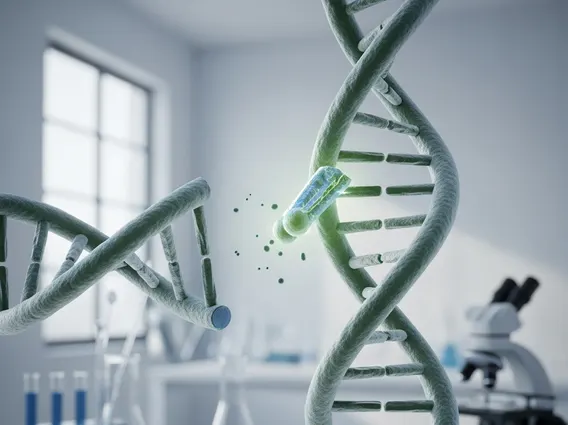
Translocation refers to a chromosomal rearrangement where a segment of one chromosome breaks off and attaches to a different chromosome, or to a different location on the same chromosome. This process is a fundamental aspect of what is translocation in biology, representing a change in the normal arrangement of genetic material. Understanding the translocation definition and examples is crucial for grasping its impact on human genetics.
Translocations are broadly categorized into two main types based on their effect on the amount of genetic material: balanced and unbalanced. In a balanced translocation, there is no net gain or loss of genetic material, meaning all genes are present, just in a different order. Individuals with balanced translocations are often phenotypically normal but may face reproductive challenges, such as an increased risk of miscarriage or having children with an unbalanced translocation. Conversely, an unbalanced translocation involves a net gain or loss of genetic material, leading to an abnormal gene dosage. This imbalance typically results in significant health problems, developmental delays, or intellectual disabilities, as seen in conditions like Down syndrome, which can sometimes be caused by an unbalanced Robertsonian translocation.
Types of Chromosomal Translocation
There are several distinct types of chromosomal translocation, each with unique characteristics and potential genetic consequences. These classifications help in understanding the specific mechanisms of chromosomal rearrangement and their clinical implications.
- Reciprocal Translocation: This is the most common type, involving an exchange of segments between two non-homologous chromosomes. For example, a piece of chromosome 9 might break off and attach to chromosome 22, while a piece of chromosome 22 simultaneously breaks off and attaches to chromosome 9. If the exchange is complete and no genetic material is lost or gained, it is considered balanced.
- Robertsonian Translocation: This type occurs when two acrocentric chromosomes (chromosomes with centromeres very near one end, specifically chromosomes 13, 14, 15, 21, and 22) fuse near their centromeres, with the loss of their short arms. The resulting chromosome is metacentric or submetacentric. A common example is the fusion of chromosomes 14 and 21, which can lead to a form of Down syndrome if inherited in an unbalanced manner.
- Insertional Translocation: In this rarer type, a segment of one chromosome is removed and inserted into another non-homologous chromosome. This can be balanced if the inserted segment is intact and no material is lost, but it carries a high risk of producing unbalanced gametes.
These different types highlight the varied ways in which genetic material can be rearranged, influencing an individual’s genetic makeup and potential health outcomes.
How Translocation Affects Genetics
The presence of a translocation can significantly alter an individual’s genetic landscape and subsequent health. Understanding how translocation affects genetics involves examining its impact on gene function, gene dosage, and the inheritance patterns in families.
In individuals with a balanced translocation, while they may not experience immediate health issues, the primary genetic impact lies in their reproductive health. During meiosis, the process of forming sperm and egg cells, chromosomes with translocations may not segregate properly. This can lead to the formation of gametes (sperm or eggs) that have an unbalanced set of chromosomes, either missing genetic material or having extra copies. Consequently, carriers of balanced translocations have an increased risk of recurrent miscarriages, infertility, or having children born with developmental disabilities or congenital anomalies due to an unbalanced chromosome complement.
For those with an unbalanced translocation, the genetic effects are often more direct and severe. The gain or loss of specific chromosomal segments can disrupt the normal dosage of genes, leading to a range of clinical conditions. For instance, the Philadelphia chromosome, a reciprocal translocation between chromosomes 9 and 22, is a well-known example linked to chronic myeloid leukemia (CML), where the fusion of genes at the breakpoint leads to uncontrolled cell growth. The specific genes located at or near the translocation breakpoints can be disrupted, leading to altered protein production or complete loss of gene function, which can manifest as various genetic disorders or predispositions to certain diseases.