Transdermal
Transdermal refers to the delivery of medication through the skin, allowing active pharmaceutical ingredients to enter the bloodstream directly. This method bypasses the digestive system and offers a controlled release of therapeutic agents, making it a valuable approach in modern medicine.
Key Takeaways
- Transdermal drug delivery is a non-invasive method that administers medication through the skin into the systemic circulation.
- Transdermal patches work by releasing medication that permeates the skin layers, reaching the bloodstream for therapeutic effects.
- The process involves the drug passing through the stratum corneum, epidermis, and dermis, a mechanism known as transdermal absorption.
- Key benefits of transdermal medication include sustained drug release, avoidance of first-pass metabolism, and improved patient adherence.
- This delivery system is widely used for various conditions, offering a convenient and effective alternative to oral or injectable routes.
What is Transdermal Drug Delivery?
Transdermal drug delivery is a method of administering medication by applying it to the skin, where it is absorbed into the bloodstream. This approach allows therapeutic agents to bypass the gastrointestinal tract and hepatic first-pass metabolism, which can degrade certain drugs or reduce their bioavailability when taken orally. The skin acts as a barrier, but specialized formulations and delivery systems, such as patches, enable controlled penetration.
The effectiveness of this delivery system relies on the ability of the drug to permeate the various layers of the skin. The process by which the medication moves from the patch, through the skin, and into the circulatory system is known as transdermal absorption explained. This absorption typically occurs through passive diffusion, driven by a concentration gradient, where the drug moves from an area of high concentration (the patch) to an area of lower concentration (the bloodstream). Factors like drug molecular size, lipid solubility, and the condition of the skin can influence the rate and extent of absorption.
How Transdermal Patches Work
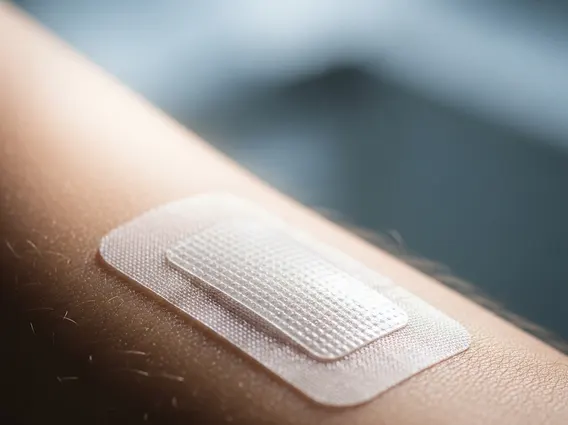
Transdermal patches are sophisticated drug delivery systems designed to facilitate the passage of medication through the skin. A typical transdermal patch consists of several layers: a backing layer, a drug reservoir or matrix, a rate-controlling membrane (in some designs), and an adhesive layer that secures the patch to the skin. Once applied, the adhesive ensures close contact, allowing the drug to diffuse from the reservoir through the skin’s outermost layer, the stratum corneum.
The medication then travels through the viable epidermis and dermis, eventually reaching the capillaries in the dermal layer, where it enters the systemic circulation. The design of the patch, including the drug concentration, the type of adhesive, and the presence of permeation enhancers, is crucial for controlling the release rate and ensuring consistent drug delivery over an extended period. This mechanism allows for a steady therapeutic level of medication in the body, avoiding the peaks and troughs often associated with oral dosing.
Benefits of Transdermal Medication
Transdermal medication offers several distinct advantages that make it a preferred option for certain therapeutic applications. These benefits contribute to improved patient outcomes and convenience:
- Sustained Drug Release: Patches provide a continuous, controlled release of medication over hours or even days, maintaining stable drug levels in the bloodstream. This reduces the need for frequent dosing.
- Avoidance of First-Pass Metabolism: By delivering drugs directly into the systemic circulation, transdermal routes bypass the liver, preventing the metabolic degradation that can occur with oral medications. This increases drug bioavailability and reduces potential side effects from metabolites.
- Improved Patient Adherence: The simplicity of applying a patch once a day or less frequently can significantly improve patient compliance compared to complex oral dosing regimens.
- Reduced Gastrointestinal Side Effects: Since the medication does not pass through the digestive system, common gastrointestinal issues like nausea, vomiting, or irritation are often avoided.
- Non-Invasive and Painless: Transdermal delivery is a non-invasive alternative to injections, making it more comfortable and less intimidating for patients.
- Easy Discontinuation: If adverse effects occur, the medication can be easily removed by simply taking off the patch, allowing for quick cessation of drug delivery.
These advantages highlight why transdermal systems are increasingly utilized for a wide range of medications, from pain relief and hormone replacement therapy to nicotine cessation and cardiovascular treatments.