Transcutaneous Electrical Nerve Stimulation
Transcutaneous Electrical Nerve Stimulation (TENS) is a widely recognized non-invasive therapy used for managing various types of pain. It involves the use of a small, battery-operated device to deliver low-voltage electrical currents to the skin, aiming to alleviate discomfort without medication.
Key Takeaways
- Transcutaneous Electrical Nerve Stimulation (TENS) is a non-pharmacological method for pain relief.
- It works by delivering mild electrical impulses to nerve fibers through electrodes placed on the skin.
- TENS therapy is believed to reduce pain perception by activating the body’s natural pain-blocking mechanisms.
- Commonly used for chronic and acute pain conditions, it offers a portable and generally safe option.
- Potential side effects are usually mild, such as skin irritation, and contraindications exist.
What is Transcutaneous Electrical Nerve Stimulation (TENS)?
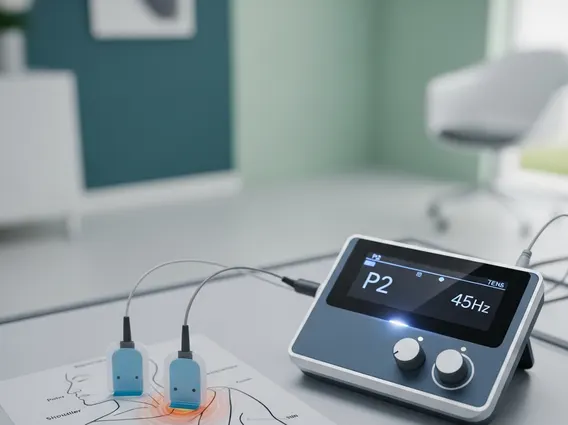
Transcutaneous Electrical Nerve Stimulation (TENS) refers to a non-invasive, drug-free method of pain management that utilizes a mild electrical current. A TENS machine explanation involves understanding it as a small, portable, battery-operated device connected to electrodes that are placed directly on the skin. These electrodes deliver controlled electrical impulses to the underlying nerves, aiming to disrupt pain signals or stimulate the release of natural pain-relieving substances in the body. The primary goal of TENS therapy is to provide symptomatic pain relief for a variety of acute and chronic conditions, offering an alternative or complementary approach to medication.
How Does TENS Therapy Work?
The precise mechanisms explaining how TENS therapy works are primarily attributed to two main theories: the Gate Control Theory of Pain and the Endorphin Release Theory. According to the Gate Control Theory, the electrical impulses from the TENS unit stimulate non-pain-carrying nerve fibers. These activated fibers then “close a gate” in the spinal cord, preventing pain signals from reaching the brain. This effectively reduces the perception of pain. The second theory suggests that TENS stimulation prompts the body to produce its own natural pain-relieving chemicals, known as endorphins. These endorphins act as natural opioids, blocking pain messages and creating a sense of well-being. The specific frequency and intensity of the electrical current can be adjusted on the TENS unit to target different types of nerve fibers and achieve the desired therapeutic effect.
Benefits, Uses, and Potential Side Effects of TENS
The benefits of TENS for pain relief are numerous, making it a popular choice for many individuals. It is a non-invasive and drug-free option, which can be particularly appealing for those seeking to reduce reliance on pain medication or manage chronic conditions without systemic side effects. TENS units are portable, allowing users to manage their pain at home or on the go, thereby improving quality of life and functional ability. It can also be a cost-effective long-term pain management solution.
Common TENS unit uses and side effects cover a broad spectrum of conditions. TENS therapy is frequently employed for:
- Chronic back and neck pain
- Osteoarthritis and rheumatoid arthritis
- Fibromyalgia
- Sports injuries (e.g., muscle strains, sprains)
- Neuropathic pain (e.g., diabetic neuropathy, sciatica)
- Labor pain
- Post-operative pain
- Menstrual pain
While generally safe, potential side effects are typically mild and localized. The most common issues include skin irritation or redness under the electrodes, often due to prolonged use, improper placement, or an allergic reaction to the adhesive. Some individuals may experience muscle soreness if the intensity is too high. TENS should not be used by individuals with pacemakers or other implanted medical devices, pregnant women (especially over the abdomen), people with epilepsy, or those with certain heart conditions, without prior consultation with a healthcare professional. Always consult a doctor or physical therapist before starting TENS therapy to ensure it is appropriate for your specific condition.