Total Pancreatectomy
Total Pancreatectomy is a complex surgical procedure involving the complete removal of the pancreas, often performed to treat severe pancreatic diseases. This comprehensive guide explains the procedure, its recovery, and the significant adjustments required for life afterward.
Key Takeaways
- Total Pancreatectomy is the surgical removal of the entire pancreas, along with other nearby organs.
- It is typically performed for aggressive pancreatic cancers or severe, recurrent pancreatitis.
- The procedure involves removing the pancreas, duodenum, gallbladder, part of the stomach, spleen, and regional lymph nodes.
- Patients will become insulin-dependent diabetics and require lifelong pancreatic enzyme replacement therapy.
- Recovery involves significant lifestyle adjustments, including dietary changes and careful management of blood sugar levels.
What is Total Pancreatectomy?
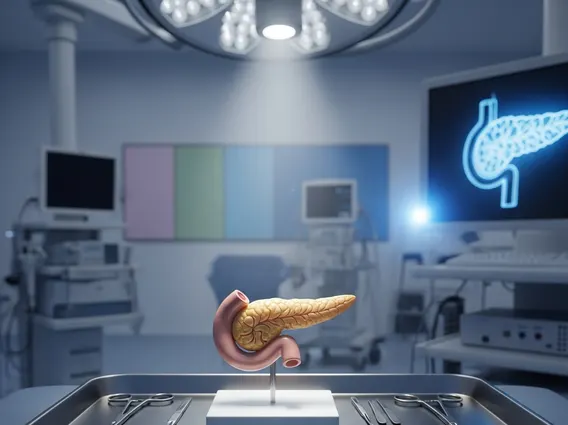
Total Pancreatectomy is a major surgical operation that involves the complete removal of the pancreas. The pancreas is a vital organ located behind the stomach, responsible for producing hormones like insulin and glucagon (which regulate blood sugar) and digestive enzymes (which aid in food breakdown). This extensive procedure is typically considered for patients with certain types of pancreatic cancer, severe and recurrent pancreatitis that has not responded to other treatments, or other complex pancreatic conditions that necessitate the removal of the entire organ to prevent further disease progression or save a patient’s life.
Beyond the pancreas itself, the surgeon also removes several surrounding organs and tissues due to their close proximity and interconnectedness with the pancreas. These commonly include the duodenum (the first part of the small intestine), the gallbladder, a portion of the stomach, the spleen, and regional lymph nodes. The removal of these additional organs is often necessary to ensure all diseased tissue is excised, particularly in cases of malignancy, and to facilitate the subsequent reconstruction of the digestive tract.
The Total Pancreatectomy Procedure Explained
The surgical process for a total pancreatectomy is intricate and requires a highly skilled surgical team. Before the operation, patients undergo extensive evaluations, including imaging scans and blood tests, to assess their overall health and the extent of the disease. The procedure itself is performed under general anesthesia and can take several hours.
During the surgery, the surgeon makes an incision in the abdomen to access the pancreas and surrounding structures. The primary steps involve carefully detaching and removing the entire pancreas. Concurrently, the duodenum, gallbladder, a portion of the stomach (pylorus), and the spleen are also removed. Lymph nodes in the vicinity are often removed as well to check for cancer spread. Once all necessary organs are removed, the surgeon reconstructs the digestive system. This involves connecting the remaining bile duct and the small intestine to the jejunum (a lower part of the small intestine) to allow bile and digestive fluids to flow properly. The remaining stomach is also reconnected to the small intestine, ensuring the patient can still digest food, albeit with significant assistance post-operatively.
Recovery and Life After Total Pancreatectomy
The period following surgery, often referred to as the total pancreatectomy recovery time, is substantial and requires intensive medical care. Patients typically spend several days to weeks in the hospital, initially in an intensive care unit, for close monitoring of vital signs, pain management, and nutritional support. The immediate recovery focuses on managing pain, preventing infections, and gradually reintroducing oral intake.
Life after total pancreatectomy involves significant, lifelong adjustments due to the absence of the pancreas. The two primary consequences are diabetes and malabsorption:
- Insulin-Dependent Diabetes: Without a pancreas, the body can no longer produce insulin, leading to type 3c diabetes (pancreatogenic diabetes). Patients will require lifelong insulin therapy, administered via injections or an insulin pump, to manage their blood sugar levels. This necessitates diligent monitoring of blood glucose and careful dietary planning.
- Exocrine Pancreatic Insufficiency (EPI): The absence of the pancreas also means the body cannot produce digestive enzymes. Patients will need to take pancreatic enzyme replacement therapy (PERT) with every meal and snack to properly digest fats, proteins, and carbohydrates. Without PERT, severe malabsorption, nutrient deficiencies, and weight loss can occur.
Dietary modifications are crucial, often involving smaller, more frequent meals, and avoiding foods that are difficult to digest. Regular follow-up appointments with a multidisciplinary team, including endocrinologists, dietitians, and gastroenterologists, are essential for managing these conditions and ensuring optimal quality of life. While challenging, with proper medical management and lifestyle adjustments, individuals can learn to effectively navigate life after a total pancreatectomy.