Topical Chemotherapy
Topical Chemotherapy is a specialized form of cancer treatment that involves applying anti-cancer medications directly to the skin. This approach is primarily used to target superficial skin cancers and precancerous lesions, minimizing systemic exposure to potent drugs.
Key Takeaways
- Topical Chemotherapy delivers anti-cancer drugs directly to affected skin areas, offering a localized treatment option.
- It works by targeting rapidly dividing cells in superficial skin lesions, such as actinic keratosis and certain skin cancers.
- Key advantages include its non-invasive nature, localized action, and often favorable cosmetic outcomes.
- Common applications include treating precancerous growths and specific types of non-melanoma skin cancers.
- Patients may experience localized skin reactions like redness, irritation, and scaling, which are typically temporary.
What is Topical Chemotherapy?
Topical Chemotherapy refers to a medical treatment where anti-cancer drugs are applied directly to the skin surface. This method is distinct from systemic chemotherapy, which involves administering drugs orally or intravenously to affect the entire body. By delivering medication locally, topical chemotherapy aims to concentrate the therapeutic effect on cancerous or precancerous cells in the skin while reducing the impact on healthy tissues elsewhere in the body. This approach is particularly effective for superficial skin conditions, where the cancerous cells are confined to the outer layers of the skin.
The primary goal of this localized treatment is to destroy abnormal cells that could develop into or are already a form of skin cancer. It is a valuable option for patients who may not be candidates for surgery or for treating widespread or multiple lesions that would be impractical to remove surgically. According to the American Academy of Dermatology, skin cancer is the most common cancer in the United States, affecting millions of people annually, making effective and varied treatment options crucial.
How Topical Chemotherapy Works and Its Applications
Topical chemotherapy works by utilizing specific anti-cancer agents that, when applied to the skin, penetrate the epidermal layers to target and destroy rapidly dividing cells. These drugs are formulated to be absorbed locally, allowing them to exert their cytotoxic effects on cancerous or precancerous cells while minimizing absorption into the bloodstream. Common agents include 5-fluorouracil (5-FU) and imiquimod, each working through different mechanisms to disrupt cell growth or stimulate an immune response against abnormal cells.
The primary topical chemotherapy uses and side effects are centered around treating various skin conditions. Its applications include:
- Actinic Keratosis: Precancerous rough, scaly patches on the skin caused by sun exposure, which can progress to squamous cell carcinoma.
- Superficial Basal Cell Carcinoma: A common, slow-growing type of skin cancer that typically remains on the surface of the skin.
- Squamous Cell Carcinoma in Situ (Bowen’s Disease): An early form of squamous cell carcinoma where abnormal cells are confined to the outermost layer of the skin.
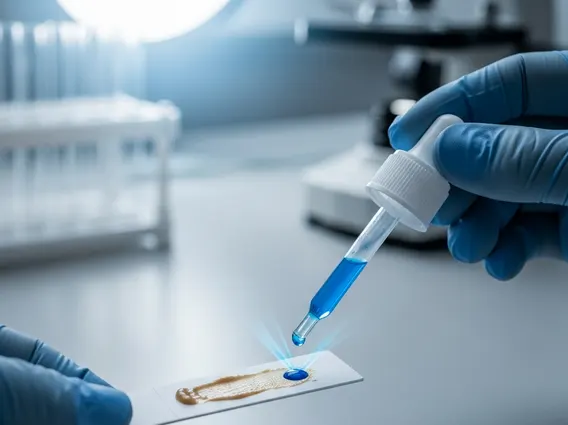
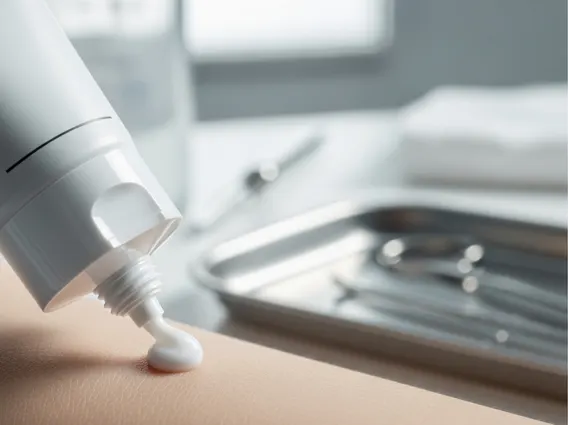
The medication is typically applied as a cream, gel, or solution, often once or twice daily for several weeks, depending on the specific drug, condition being treated, and patient response. The duration and frequency of treatment are carefully determined by a healthcare professional to maximize efficacy and manage potential reactions.
Benefits and Potential Side Effects
There are several significant benefits of topical chemotherapy, making it a preferred option for many patients and conditions. One of the main advantages is its non-invasive nature, as it avoids the need for surgical procedures, incisions, and stitches. This often leads to superior cosmetic outcomes, with less scarring compared to surgical removal. Furthermore, because the treatment is localized, it generally results in fewer systemic side effects than traditional chemotherapy, improving patient comfort and quality of life during treatment. It also allows for the simultaneous treatment of multiple lesions over a larger area, which can be particularly advantageous for widespread sun damage or numerous precancerous spots.
Despite its benefits, topical chemotherapy can cause localized side effects. These reactions are typically confined to the treated area and indicate that the medication is actively working to destroy abnormal cells. Common side effects include:
| Side Effect | Description |
|---|---|
| Redness and Inflammation | The treated skin often becomes red and inflamed, resembling a severe sunburn. |
| Scaling and Crusting | Dry, flaky skin and crust formation are common as abnormal cells are shed. |
| Itching and Burning | Patients may experience discomfort, including itching, stinging, or a burning sensation. |
| Erosion or Ulceration | In some cases, the skin may break down, leading to open sores or shallow ulcers. |
| Photosensitivity | Increased sensitivity to sunlight in the treated areas, requiring strict sun protection. |
These reactions are usually temporary and resolve after the treatment course is completed. Patients are advised to follow their healthcare provider’s instructions carefully regarding application, duration, and management of side effects. Any severe or unexpected reactions should be reported to a medical professional immediately. This information is for supportive purposes only and does not replace professional medical advice or treatment.