
Thoracodynia
Thoracodynia, commonly known as chest pain, is a symptom that can arise from a wide range of underlying conditions, varying in severity from mild discomfort to a life-threatening emergency. Understanding the potential causes and characteristics of this pain is crucial for proper diagnosis and effective management.
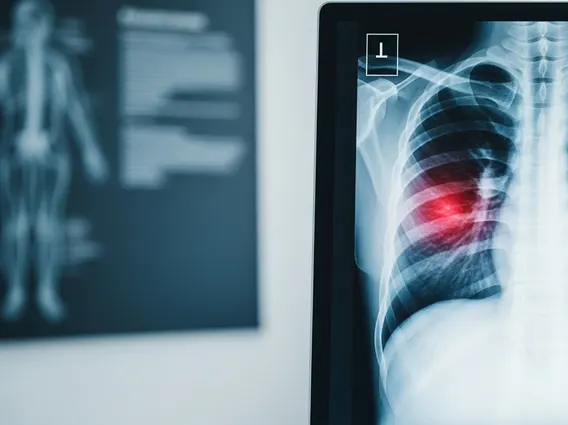
Key Takeaways
- Thoracodynia refers to chest pain, a common symptom with diverse origins.
- Causes can range from benign musculoskeletal issues to serious cardiac or pulmonary conditions.
- Associated symptoms often provide vital clues to the underlying cause of the pain.
- Accurate diagnosis requires a thorough medical evaluation, including history, physical exam, and diagnostic tests.
- Management focuses on treating the specific underlying condition responsible for the chest pain.
What is Thoracodynia?
Thoracodynia is the medical term for chest pain, a sensation of discomfort or pain experienced anywhere in the chest region. This symptom is highly prevalent, affecting a significant portion of the population at some point in their lives. The nature of thoracodynia can vary greatly, described as sharp, dull, aching, burning, or crushing, and its intensity can range from mild to severe. Providing a precise thoracodynia medical definition, it encompasses any pain originating from structures within the chest wall, such as muscles, bones, nerves, or from internal organs like the heart, lungs, esophagus, or major blood vessels. Given its broad range of potential origins, evaluating what is Thoracodynia involves considering various physiological systems.
Causes and Associated Symptoms of Thoracodynia
The origins of thoracodynia are diverse, making it a diagnostic challenge. Understanding the various thoracodynia causes symptoms is essential for pinpointing the underlying issue. Causes can be categorized based on the affected body system:
- Cardiovascular Causes: These are often the most concerning due to their potential severity. Examples include angina (chest pain due to reduced blood flow to the heart), myocardial infarction (heart attack), pericarditis (inflammation of the sac around the heart), and aortic dissection (a tear in the body’s main artery). Associated symptoms may include shortness of breath, sweating, nausea, dizziness, and pain radiating to the arm, jaw, or back.
- Respiratory Causes: Conditions affecting the lungs and pleura (lining of the lungs) can cause chest pain. Examples include pleurisy (inflammation of the pleura), pneumonia, pulmonary embolism (blood clot in the lung), and asthma. Symptoms often include cough, fever, rapid breathing, and pain that worsens with deep breaths or coughing.
- Gastrointestinal Causes: Problems with the esophagus, stomach, or gallbladder can manifest as chest pain. Common examples are gastroesophageal reflux disease (GERD), esophageal spasm, ulcers, and gallstones. These pains might be described as burning, may worsen after eating, or be relieved by antacids.
- Musculoskeletal Causes: Pain originating from the chest wall muscles, ribs, or cartilage is a frequent cause of thoracodynia. Conditions like costochondritis (inflammation of rib cartilage), muscle strains, or rib fractures fall into this category. This type of pain often worsens with movement, palpation, or specific postures.
- Psychological Causes: Anxiety and panic attacks can also induce chest pain, often accompanied by hyperventilation, palpitations, and a sense of impending doom.
Other less common causes include shingles, nerve compression, and certain types of cancer.
Diagnosing and Managing Thoracodynia
Given the wide array of potential causes, a thorough diagnostic approach is critical when a patient presents with thoracodynia. The initial evaluation typically involves a detailed medical history, where the healthcare provider will inquire about the characteristics of the pain (onset, duration, intensity, quality, location, radiation), aggravating and relieving factors, and associated symptoms. A comprehensive physical examination follows, focusing on the cardiovascular, respiratory, and musculoskeletal systems.
Further diagnostic tests may include an electrocardiogram (ECG) to assess heart activity, blood tests (e.g., cardiac enzymes to check for heart damage), chest X-rays to visualize the lungs and heart, or more advanced imaging like CT scans or MRI. Endoscopy may be performed to investigate gastrointestinal causes, while stress tests or angiograms can evaluate cardiac blood flow. The goal is to gather sufficient thoracodynia chest pain info to accurately identify the underlying condition.
Management of thoracodynia is entirely dependent on the diagnosis. If a life-threatening condition like a heart attack or pulmonary embolism is suspected, immediate emergency medical intervention is required. For less severe conditions, treatment may involve medications (e.g., anti-inflammatories for musculoskeletal pain, antacids for GERD, antibiotics for infections), lifestyle modifications, or physical therapy. In some cases, specialized procedures or surgery may be necessary. It is paramount for anyone experiencing chest pain to seek prompt medical attention to ensure an accurate diagnosis and appropriate treatment plan.



















