Thoracic
The thoracic region is a vital part of the human body, encompassing the chest area and housing critical organs and structures essential for life. Understanding its anatomy, function, and common conditions is fundamental to medical knowledge and overall health awareness.
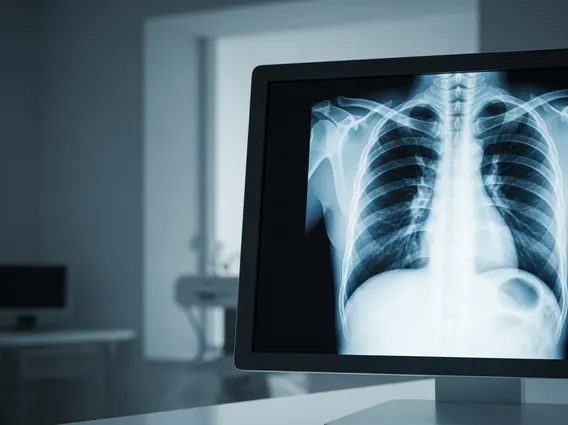
Key Takeaways
- The thoracic region is the chest area, extending from the neck to the diaphragm, crucial for respiration and circulation.
- It contains the thoracic cavity, which protects organs like the heart and lungs, and the thoracic spine, providing structural support.
- The primary function of the thoracic region involves breathing, protecting vital organs, and facilitating movement of the upper body.
- Common conditions affecting this area range from respiratory illnesses like asthma and COPD to cardiovascular issues and musculoskeletal pain.
- Symptoms often include chest pain, shortness of breath, coughing, and discomfort, necessitating prompt medical evaluation.
What is Thoracic: Anatomy and Function
The term Thoracic refers to the chest area of the body, situated between the neck and the abdomen. This critical region is defined by the rib cage, sternum (breastbone), and the vertebral column, specifically the thoracic spine explained as the middle section of the spine, comprising twelve vertebrae (T1-T12). These vertebrae are unique because they articulate with the ribs, forming a protective cage around vital organs. The primary function of the thoracic region anatomy and function centers on protecting the heart and lungs, facilitating respiration, and providing structural support for the upper body.
The muscles of the thoracic region, including the intercostals and diaphragm, play a crucial role in breathing. The diaphragm, a large dome-shaped muscle, contracts and flattens during inhalation, increasing the volume of the chest cavity and drawing air into the lungs. Conversely, relaxation of the diaphragm and intercostal muscles allows for exhalation. This intricate interplay of bones, muscles, and organs underscores the thoracic region’s importance in sustaining life.
What is the Thoracic Cavity
The thoracic cavity is the space enclosed by the ribs, vertebral column, and sternum, and is separated from the abdominal cavity by the diaphragm. This vital cavity is subdivided into three main compartments: the two pleural cavities, each housing a lung, and the mediastinum, located between the lungs. The mediastinum contains the heart, major blood vessels (aorta, vena cava), trachea, esophagus, and thymus gland. The robust bony framework of the thoracic cavity provides essential protection for these delicate and life-sustaining organs from external trauma.
Common Thoracic Conditions and Symptoms
A wide array of conditions can affect the thoracic region, impacting its structures and the organs it contains. Understanding common thoracic conditions information is crucial for early detection and effective management. These conditions can range from respiratory and cardiovascular diseases to musculoskeletal issues and neurological disorders. Symptoms often vary depending on the specific condition but frequently include chest pain, shortness of breath, coughing, and discomfort.
Respiratory conditions are prevalent in the thoracic region. For instance, chronic obstructive pulmonary disease (COPD), which includes emphysema and chronic bronchitis, affects millions globally. According to the World Health Organization (WHO), COPD is a leading cause of death worldwide. Other common respiratory issues include asthma, pneumonia, and pleurisy. Cardiovascular conditions, such as coronary artery disease, angina, and heart attacks, also manifest with symptoms like chest pain, which can sometimes radiate to the arm or jaw.
Musculoskeletal problems, such as rib fractures, costochondritis (inflammation of the cartilage connecting ribs to the sternum), and thoracic spine pain, can also cause significant discomfort. Neurological conditions like intercostal neuralgia, affecting the nerves between the ribs, can lead to sharp, localized pain. Recognizing the diverse range of symptoms and their potential underlying causes is vital for accurate diagnosis and appropriate treatment.
Common symptoms associated with thoracic conditions include:
- Chest pain or pressure
- Shortness of breath (dyspnea)
- Persistent cough, sometimes with phlegm
- Wheezing or noisy breathing
- Fatigue or weakness
- Pain that worsens with breathing or movement
- Palpitations or irregular heartbeat
If any of these symptoms are experienced, especially severe chest pain or difficulty breathing, immediate medical attention is necessary to determine the cause and initiate appropriate care.