Third Molar
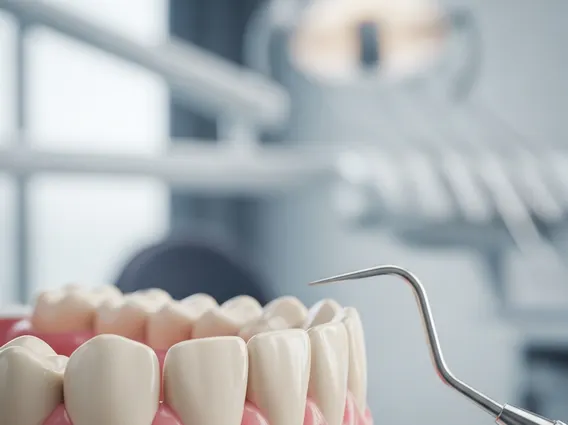
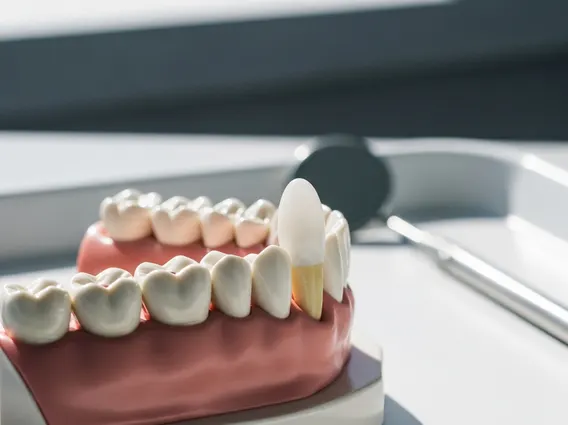
The Third Molar, commonly known as a wisdom tooth, represents the final set of molars to erupt in the mouth. These teeth typically emerge during late adolescence or early adulthood, often between the ages of 17 and 25.
Key Takeaways
- Third Molars are the last teeth to develop, often erupting between ages 17 and 25.
- Many individuals experience impacted Third Molars, meaning they don’t fully emerge or grow at an angle.
- Impacted Third Molars can lead to significant issues, including pain, infection, and damage to adjacent teeth.
- Removal is a common treatment for problematic Third Molars, with recovery typically lasting a few days to a week.
- Proper post-operative care is crucial for a smooth recovery after Third Molar extraction.
What is a Third Molar?
A Third Molar is the eighth tooth from the midline of the mouth, located at the very back of the jaw. Humans typically have four Third Molars, one in each corner of the mouth, though some individuals may have fewer or none at all. Their late eruption often coincides with a period when the jaw has already developed, sometimes leaving insufficient space for them to emerge properly. This lack of space is a primary reason why Third Molars frequently cause dental issues.
While historically useful for grinding tough, uncooked foods, modern diets and dental care have reduced their functional necessity. Consequently, their presence is often associated with more problems than benefits, leading to their common removal.
Impacted Third Molars: Symptoms and Complications
When a Third Molar does not fully erupt or grows in an abnormal position, it is referred to as an impacted Third Molar. This condition is quite common; according to the American Association of Oral and Maxillofacial Surgeons (AAOMS), approximately 85% of wisdom teeth will eventually need to be removed due to impaction or other issues. Impacted Third Molar problems can range from mild discomfort to severe complications, significantly affecting oral health.
Common third molar pain symptoms associated with impaction include:
- Persistent pain or tenderness in the jaw or gums at the back of the mouth.
- Swelling or redness around the affected area.
- Difficulty opening the mouth or chewing.
- Unpleasant taste or bad breath, often indicative of an infection.
- Headaches or earaches.
If left untreated, impacted Third Molars can lead to more serious complications such as pericoronitis (an infection of the gum tissue surrounding the tooth), damage to adjacent teeth, cyst formation, or even tumors in rare cases. Regular dental check-ups are essential for monitoring the development of Third Molars and addressing potential issues early.
Third Molar Removal Recovery Time and Care
The third molar removal recovery time typically varies depending on the complexity of the extraction and individual healing rates. Most individuals can expect to recover within three to seven days, though complete healing of the jawbone can take several weeks or months. The initial 24-48 hours are usually the most critical for managing pain and swelling.
Proper post-operative care is vital for a smooth recovery and to prevent complications. Following your oral surgeon’s instructions precisely will significantly aid the healing process. Key aspects of care include:
| Aspect of Care | Recommendation |
|---|---|
| Pain Management | Take prescribed pain medication as directed; over-the-counter pain relievers may also be used. |
| Swelling Reduction | Apply ice packs to the outside of the face for 20 minutes on, 20 minutes off, during the first 24-48 hours. |
| Diet | Consume soft foods (e.g., yogurt, soup, mashed potatoes) for the first few days. Avoid hot, spicy, or crunchy foods. |
| Oral Hygiene | Gently rinse with warm salt water after 24 hours (do not spit vigorously). Avoid brushing the extraction site directly for several days. |
| Activity | Rest for the first 24 hours. Avoid strenuous activity, heavy lifting, and bending over for at least a week to prevent dislodging the blood clot. |
| Smoking/Drinking | Avoid smoking and drinking alcohol for at least 72 hours, as these can significantly impair healing and increase complication risk. |
It is crucial to avoid disturbing the blood clot that forms in the socket, as this clot is essential for healing. Dislodging it can lead to a painful condition known as “dry socket.” Contact your oral surgeon immediately if you experience severe pain, excessive bleeding, or signs of infection during your recovery.