Tert Gene
The TERT gene plays a crucial role in maintaining the integrity of our genetic material, influencing cellular aging and the development of various diseases. Understanding its function is key to comprehending fundamental biological processes.

Key Takeaways
- The TERT gene (Telomerase Reverse Transcriptase) provides instructions for making a protein essential for the telomerase enzyme.
- Telomerase is vital for maintaining telomere length, which protects chromosomes from degradation during cell division.
- Dysfunction of the TERT gene can lead to telomere shortening or lengthening, impacting cellular aging and disease susceptibility.
- Mutations in the TERT gene are associated with a spectrum of telomere biology disorders, affecting various organ systems.
- Research into the TERT gene offers insights into aging, cancer, and inherited conditions.
What is the TERT Gene?
The TERT gene, an acronym for Telomerase Reverse Transcriptase, is a critical component of the human genome located on chromosome 5. This gene provides the genetic blueprint for producing the catalytic subunit of the telomerase enzyme. Telomerase is a ribonucleoprotein complex responsible for synthesizing and maintaining telomeres, which are protective caps at the ends of chromosomes. These telomeres safeguard genetic information during cell division, preventing chromosome degradation and fusion. The TERT protein, encoded by this gene, is the reverse transcriptase component that adds DNA sequences to the telomeres, effectively counteracting the natural shortening that occurs with each cell division.
The activity of the TERT gene is tightly regulated within the body. It is highly active in embryonic stem cells, germ cells, and certain rapidly dividing cells, ensuring their longevity and proliferative capacity. In most somatic (body) cells, however, TERT activity is very low or undetectable, leading to progressive telomere shortening over time. This controlled reduction in telomere length acts as a “mitotic clock,” signaling cells to stop dividing and enter senescence or programmed cell death (apoptosis) once telomeres reach a critically short length. This mechanism is a fundamental aspect of cellular aging and tumor suppression.
TERT Gene Function and its Role in Telomerase
The primary TERT gene function is to enable the synthesis of new telomeric DNA. It achieves this by encoding the TERT protein, which is the catalytic core of the telomerase enzyme. This protein uses an RNA template (known as TERC, or Telomerase RNA Component) to add specific DNA repeats (TTAGGG in humans) to the ends of chromosomes. This process is crucial for maintaining telomere length, which in turn protects the integrity of the genome.
The intricate relationship between the TERT gene and telomerase is central to cellular biology. Without a functional TERT protein, the telomerase enzyme cannot effectively extend telomeres. This has profound implications for cell health and organismal aging. Here are key aspects of its role:
- Telomere Maintenance: TERT ensures that telomeres do not become critically short, which would otherwise trigger cellular senescence or apoptosis.
- Cell Proliferation: In cells requiring extensive division, such as stem cells and immune cells, TERT activity is essential for sustained proliferation.
- Genomic Stability: By preserving telomere length, TERT helps prevent chromosomal instability, which can lead to genetic mutations and disease.
- Aging Processes: The gradual decline in TERT activity in most somatic cells contributes to the aging process and age-related diseases.
- Cancer Development: Aberrant activation of TERT in somatic cells is a hallmark of many cancers, allowing cancer cells to divide indefinitely.
Symptoms Associated with TERT Gene Mutations
Mutations in the TERT gene can have significant health consequences, leading to a spectrum of conditions collectively known as telomere biology disorders or telomeropathies. These disorders arise from impaired telomerase function, resulting in critically short telomeres in various tissues. The severity and manifestation of tert gene mutation symptoms can vary widely, even within the same family, depending on the specific mutation, its impact on telomerase activity, and other genetic or environmental factors.
Common symptoms and conditions associated with TERT gene mutations often involve tissues with high cellular turnover. These can include:
| Organ System | Potential Symptoms/Conditions |
|---|---|
| Hematologic System | Bone marrow failure (aplastic anemia), myelodysplastic syndrome, acute myeloid leukemia |
| Pulmonary System | Pulmonary fibrosis (progressive scarring of the lungs) |
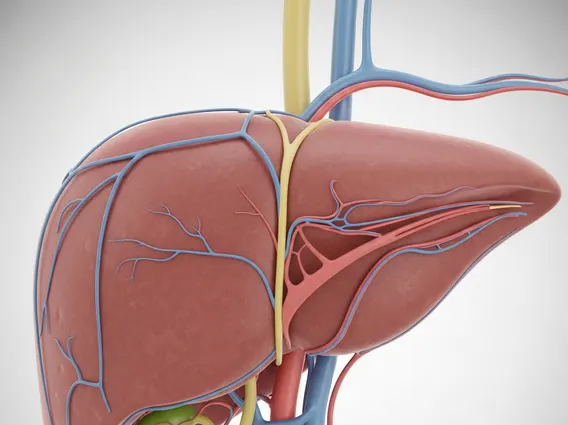
| Hepatic System | Liver cirrhosis, liver failure |
| Dermatologic System | Skin and nail abnormalities (e.g., dyskeratosis congenita) |
| Gastrointestinal System | Intestinal failure |
| Immune System | Immunodeficiency, increased susceptibility to infections |
These conditions are often progressive and can be life-threatening. Diagnosis typically involves genetic testing for TERT mutations and assessment of telomere length. Management focuses on supportive care and, in some cases, interventions like hematopoietic stem cell transplantation for bone marrow failure. It is important to note that information regarding supportive therapies does not replace professional medical treatment and should always be discussed with a qualified healthcare provider.