Telehealth
Telehealth represents a significant advancement in healthcare delivery, leveraging technology to provide medical services remotely. This approach enhances accessibility and convenience for patients, transforming how care is received and managed.
Key Takeaways
- Telehealth utilizes electronic communication and information technologies to deliver healthcare services over distance.
- It encompasses various services, including virtual consultations, remote monitoring, and digital health education.
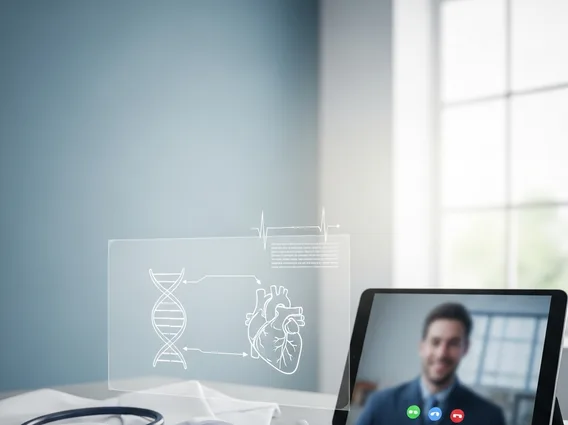
- Patients can access care from home using devices like smartphones or computers, connecting with providers via video, phone, or secure messaging.
- Key advantages include improved access to care, greater convenience, reduced travel time, and enhanced continuity of care.
- The adoption of telehealth has surged, demonstrating its effectiveness and increasing patient satisfaction.
Understanding What is Telehealth
Telehealth refers to the use of electronic information and telecommunications technologies to support long-distance clinical healthcare, patient and professional health education, public health, and health administration. It encompasses a broad range of services, including virtual doctor visits, remote monitoring, and digital health education, making healthcare more accessible and efficient.
This modern approach to healthcare, often referred to as telehealth explained for patients, leverages technology to overcome geographical barriers and improve convenience. It allows individuals to connect with healthcare providers without needing to be in the same physical location. According to the Centers for Disease Control and Prevention (CDC), telehealth visits increased significantly in early 2020, highlighting its growing adoption and critical role during public health emergencies and beyond.
How Telehealth Works for Patients
For patients, understanding how Telehealth works involves recognizing that it typically begins with scheduling a virtual appointment through a secure online portal or phone. Patients can then connect with their healthcare providers from the comfort of their homes or any private location using a smartphone, tablet, or computer. This flexibility allows for consultations that fit into daily life without the need for travel or waiting room visits.
The interaction can take various forms, depending on the patient’s needs and the provider’s capabilities. Common methods include:
- Video Conferencing: Real-time, face-to-face consultations that allow for visual assessments and detailed discussions, similar to an in-person visit.
- Phone Calls: Used for simpler consultations, medication refills, or follow-ups where visual cues are not critical.
- Secure Messaging: Asynchronous communication for non-urgent questions, sharing information, or receiving test results.
- Remote Patient Monitoring: Devices collect and transmit patient data (e.g., blood pressure, glucose levels, heart rate) to providers, enabling continuous oversight of chronic conditions.
These diverse modalities ensure that a wide range of medical services, from routine check-ups to managing chronic diseases and mental health support, can be delivered effectively through Telehealth.
Key Benefits of Telehealth Services
The widespread adoption of benefits of telehealth services has significantly transformed healthcare delivery, offering numerous advantages for patients and providers alike. These services enhance access to care, particularly for individuals in rural areas or those with mobility limitations, ensuring that geographical distance is no longer a barrier to receiving medical attention.
One of the primary advantages is convenience, as patients can attend appointments without needing to travel, take time off work, or arrange childcare. This also leads to reduced exposure to infectious diseases in waiting rooms. Furthermore, Telehealth can improve continuity of care, allowing for more frequent check-ins and better management of chronic conditions. A study published by the World Health Organization (WHO) indicates that Telehealth interventions can lead to improved health outcomes and patient satisfaction, with high rates of acceptance among users globally, underscoring its positive impact on modern healthcare.