
Telangiectasia
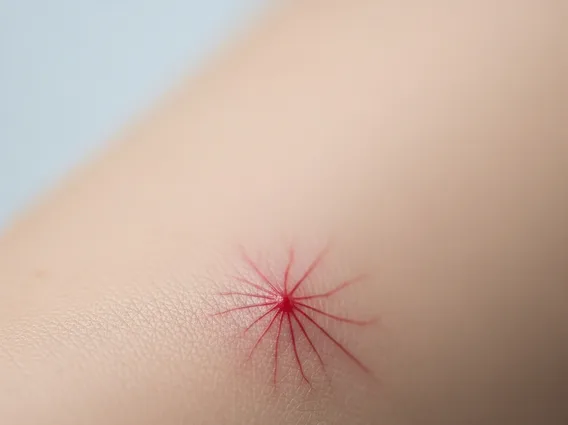
Telangiectasia refers to a common dermatological condition characterized by the dilation of small blood vessels, leading to visible red, blue, or purple lines on the skin or mucous membranes. While often harmless, these vascular lesions can be a cosmetic concern for many individuals.
Key Takeaways
- Telangiectasia involves small, dilated blood vessels visible on the skin’s surface.
- Commonly known as spider veins, they appear as fine red or purple lines.
- Causes range from sun exposure and genetics to underlying medical conditions.
- Symptoms are primarily cosmetic, though mild discomfort can occur.
- Treatment options include laser therapy, sclerotherapy, and electrocautery, primarily for cosmetic improvement.
What is Telangiectasia?
Telangiectasia is a condition characterized by the permanent dilation of small blood vessels, specifically capillaries, venules, and arterioles, just beneath the skin’s surface. These dilated vessels become visible through the skin, typically appearing as fine, thread-like red, blue, or purple lines that often branch in a spider-web pattern. This common Telangiectasia skin condition explained is frequently observed on the face (especially around the nose, cheeks, and chin), chest, and legs, but can also occur on mucous membranes.
While often benign and primarily a cosmetic concern, telangiectasias can sometimes indicate an underlying systemic condition. They are distinct from varicose veins, which are larger, bulging veins, though both involve vascular changes. The appearance of these tiny blood vessels is generally harmless, but their presence can prompt individuals to seek medical advice for diagnosis and potential treatment.
Causes and Symptoms of Telangiectasia
The development of telangiectasia can be attributed to a variety of factors, ranging from environmental influences to genetic predispositions and underlying medical conditions. Understanding these causes is crucial for effective management and prevention.
Common causes include:
- Sun Exposure: Ultraviolet (UV) radiation can damage blood vessels and collagen, leading to their dilation, particularly on the face.
- Genetics: A family history of telangiectasia, or conditions like hereditary hemorrhagic telangiectasia (HHT), increases susceptibility.
- Aging: As skin ages, it thins and loses elasticity, making blood vessels more prominent and susceptible to damage.
- Rosacea: This chronic inflammatory skin condition often presents with facial redness and telangiectasia.
- Hormonal Changes: Pregnancy, estrogen therapy, and other hormonal fluctuations can contribute to their formation.
- Alcohol Consumption: Excessive alcohol intake can cause vasodilation, potentially leading to facial telangiectasia.
- Trauma or Injury: Direct injury to the skin can sometimes result in localized vessel dilation.
- Certain Medical Conditions: Conditions like scleroderma, lupus, or liver disease can be associated with telangiectasia.
The primary symptom of telangiectasia is the visible appearance of these small, dilated blood vessels. They are typically asymptomatic, meaning they do not cause pain or discomfort. However, some individuals may experience mild itching, burning, or a sensation of warmth in the affected areas. In rare cases, particularly when telangiectasia occurs on mucous membranes or is subjected to trauma, minor bleeding can occur.
Telangiectasia Treatment Options
Treatment for telangiectasia is primarily sought for cosmetic reasons, though in some instances, it may be necessary to address symptoms like bleeding. Various effective methods are available to reduce the visibility of these dilated blood vessels.
One of the most common and effective treatments is laser therapy. This procedure uses focused light energy to target and selectively destroy the blood vessels without damaging the surrounding skin. The laser energy is absorbed by the hemoglobin in the blood, causing the vessel walls to collapse and eventually fade. Multiple sessions may be required for optimal results.
Another option is sclerotherapy, which involves injecting a solution directly into the affected vessels. This solution irritates the vessel lining, causing it to swell, stick together, and eventually close off. While more commonly used for larger spider veins and varicose veins, it can be effective for certain types of telangiectasia, especially on the legs. Electrocautery, which uses a fine needle to deliver an electrical current to heat and seal off the vessels, is also an option, particularly for isolated or very fine telangiectasias.
Topical retinoids may be prescribed in some cases, particularly for telangiectasia associated with sun damage or rosacea, as they can help improve skin texture and reduce redness over time. Lifestyle modifications, such as consistent sun protection, avoiding excessive alcohol, and managing underlying conditions like rosacea, are also crucial for preventing new lesions and maintaining treatment results. It is important to consult with a dermatologist or a healthcare professional to determine the most appropriate treatment plan based on the individual’s specific condition and health history.



















