Systemic Therapy
Systemic Therapy refers to medical treatments that affect the entire body, rather than focusing on a specific area. It is a cornerstone in the management of various diseases, particularly cancer, by targeting diseased cells wherever they may be present throughout the body.
Key Takeaways
- Systemic Therapy is a medical approach that treats the entire body, not just a localized area.
- It works by delivering therapeutic agents through the bloodstream to target diseased cells.
- Common types include chemotherapy, hormone therapy, targeted therapy, and immunotherapy.
- This treatment is crucial for diseases that have spread or affect multiple body systems, such as many cancers.
- While effective, systemic therapies can impact healthy cells, leading to various side effects.
What is Systemic Therapy?
Systemic Therapy is a category of medical treatments designed to affect the entire body. Unlike local therapies, such as surgery or radiation, which focus on a specific tumor or area, systemic treatments circulate throughout the bloodstream to reach and treat diseased cells wherever they may be located. This approach is particularly vital for conditions where the disease has spread beyond its original site or affects multiple organs or systems.
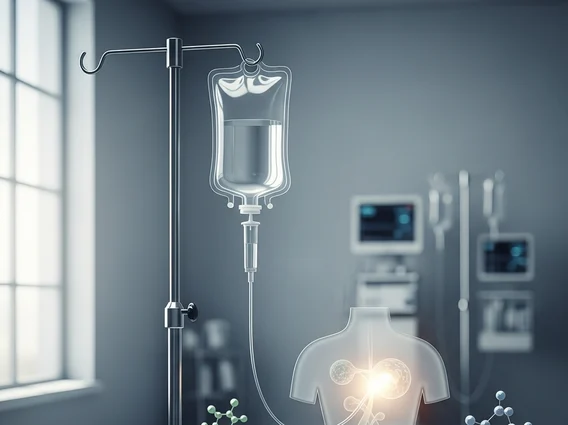
When Systemic therapy explained in the context of cancer, it means that drugs are administered orally or intravenously, traveling through the bloodstream to destroy cancer cells that may have metastasized or are present in different parts of the body. This broad reach makes it an indispensable tool for managing advanced or widespread diseases, aiming to eliminate, control, or slow the progression of the illness. According to the World Health Organization (WHO), cancer is a leading cause of death worldwide, and systemic therapies are critical in improving outcomes for millions of patients annually.
How Systemic Therapy Works
The fundamental principle behind how Systemic Therapy works involves the delivery of therapeutic agents into the bloodstream. Once administered, these agents travel throughout the body, reaching cells in various tissues and organs. The specific mechanism of action depends on the type of therapy, but the general goal is to interfere with the growth, division, or survival of diseased cells, while ideally sparing healthy ones.
For instance, in cancer treatment, systemic drugs might target rapidly dividing cells, specific molecular pathways unique to cancer cells, or harness the body’s own immune system to fight the disease. While these therapies are designed to be effective against diseased cells, some healthy cells can also be affected, leading to potential side effects. The precise targeting and delivery methods continue to evolve, aiming to maximize efficacy and minimize adverse reactions.
Types of Systemic Therapy
There are several distinct types of Systemic Therapy, each employing different mechanisms to combat disease. The choice of therapy depends on the specific condition, its stage, and individual patient factors. Here are some of the primary types:
- Chemotherapy: This involves using powerful drugs to kill rapidly growing cells, including cancer cells. While effective, it can also affect healthy, fast-growing cells like those in hair follicles or the digestive tract, leading to common side effects.
- Hormone Therapy: Used primarily for hormone-sensitive cancers (e.g., breast or prostate cancer), this therapy works by blocking the body’s ability to produce hormones or by interfering with how hormones act on cancer cells.
- Targeted Therapy: These drugs are designed to specifically target certain genes or proteins that contribute to cancer growth and survival. They often have fewer side effects than traditional chemotherapy because they are more precise in their action.
- Immunotherapy: This approach boosts the body’s natural defenses to fight cancer. Immunotherapy drugs help the immune system recognize and attack cancer cells more effectively.
- Biologic Therapy: A broader term that includes some targeted therapies and immunotherapies, these treatments use substances made from living organisms to treat disease.
Each of these types represents a significant advancement in medical treatment, offering tailored approaches to complex diseases and continuously improving patient outcomes.