Sympathetic Nervous System
The Sympathetic Nervous System is a crucial component of the autonomic nervous system, playing a vital role in regulating the body’s involuntary responses to stress and perceived threats. It orchestrates the rapid physiological changes necessary for the “fight or flight” response, preparing an individual to either confront danger or flee from it.
Key Takeaways
- The Sympathetic Nervous System is a division of the autonomic nervous system responsible for involuntary bodily functions.
- Its primary role is to activate the body’s “fight or flight” response in stressful or dangerous situations.
- It increases heart rate, dilates pupils, inhibits digestion, and redirects blood flow to muscles.
- This system works in opposition to the parasympathetic nervous system to maintain the body’s internal balance.
- Neurotransmitters like norepinephrine and epinephrine are central to its signaling pathways.
What is the Sympathetic Nervous System?
The Sympathetic Nervous System (SNS) refers to a network of nerves that helps the body activate its “fight or flight” response. As a key part of the autonomic nervous system, which controls involuntary bodily functions, the SNS prepares the body to react to perceived dangers, stress, or excitement. This preparation involves a cascade of physiological changes designed to maximize immediate survival capabilities, such as increasing alertness and physical readiness.
How the Sympathetic Nervous System Works
The activation of the Sympathetic Nervous System begins in the central nervous system, specifically in the thoracic and lumbar regions of the spinal cord. Signals travel from these areas to clusters of nerve cells called ganglia, which are located near the spinal cord. From these ganglia, postganglionic neurons extend to various target organs and tissues throughout the body. At the target organs, these neurons primarily release the neurotransmitter norepinephrine, which binds to adrenergic receptors to elicit specific responses. In a critical pathway, preganglionic neurons also directly stimulate the adrenal medulla, prompting it to release epinephrine (adrenaline) and additional norepinephrine into the bloodstream, amplifying and prolonging the systemic effects of the sympathetic response.
Role and Functions of the Sympathetic Nervous System
The primary role of the Sympathetic Nervous System in the body is to rapidly mobilize energy resources and adjust physiological parameters to cope with immediate demands. This intricate system orchestrates a wide array of responses that collectively enhance an individual’s ability to react to stressful stimuli. The Sympathetic nervous system function encompasses several critical physiological adjustments:
- Cardiovascular System: Increases heart rate and the force of heart contractions, leading to a surge in blood pressure. It also redistributes blood flow, directing it away from non-essential organs like the digestive tract and skin, and towards vital organs such as the brain and skeletal muscles.
- Respiratory System: Causes bronchodilation, widening the airways in the lungs to allow for increased oxygen intake, crucial for heightened physical exertion.
- Ocular System: Induces pupil dilation (mydriasis), enhancing visual acuity and allowing more light to enter the eyes, which can be beneficial in low-light or high-alert situations.
- Digestive System: Inhibits digestive processes, reducing gut motility and secretion of digestive enzymes, as these functions are not prioritized during an emergency.
- Metabolic System: Stimulates the liver to release glucose into the bloodstream, providing an immediate energy source for muscles and the brain.
- Integumentary System: Activates sweat glands to increase perspiration, which helps to cool the body during intense physical activity or stress.
These coordinated actions ensure that the body is primed for a swift and powerful response, whether it involves physical action or heightened mental alertness.
Sympathetic vs. Parasympathetic Nervous System
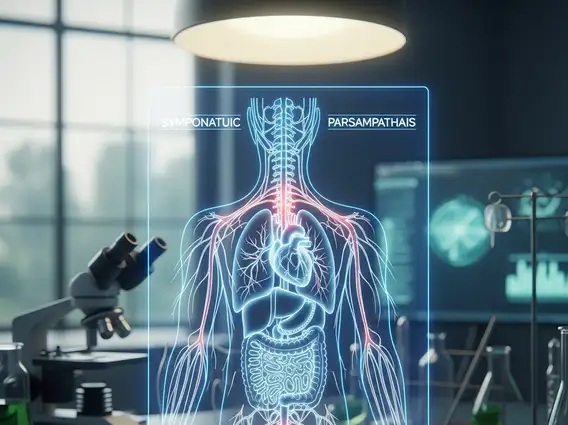
The distinction between the Sympathetic nervous system vs parasympathetic nervous system is fundamental to understanding autonomic regulation. While the SNS prepares the body for action, the parasympathetic nervous system (PNS) is responsible for the “rest and digest” functions, promoting relaxation, digestion, and energy conservation. These two branches often work in opposition, creating a dynamic balance that maintains homeostasis within the body. For instance, if the SNS increases heart rate, the PNS works to decrease it; if the SNS inhibits digestion, the PNS stimulates it.
The interplay between these systems is crucial for overall health, allowing the body to efficiently switch between states of high alert and calm, responding appropriately to environmental cues.
| Feature | Sympathetic Nervous System (SNS) | Parasympathetic Nervous System (PNS) |
|---|---|---|
| Primary Role | “Fight or Flight” response; prepares body for stress/action. | “Rest and Digest” response; promotes relaxation and energy conservation. |
| Neurotransmitters | Norepinephrine (at target organs), Epinephrine (from adrenal medulla). | Acetylcholine (at target organs). |
| Heart Rate | Increases heart rate and contractility. | Decreases heart rate. |
| Pupils | Dilates pupils (mydriasis). | Constricts pupils (miosis). |
| Digestion | Inhibits digestive processes. | Stimulates digestive processes. |
| Airways | Dilates bronchi (bronchodilation). | Constricts bronchi (bronchoconstriction). |