Surgical Menopause
Surgical Menopause is a distinct form of menopause induced by medical intervention rather than natural physiological aging. It has unique characteristics and implications for women’s health, often leading to an abrupt and intense experience of menopausal symptoms.
Key Takeaways
- Surgical Menopause is the immediate onset of menopause following the surgical removal of a woman’s ovaries.
- It results in an abrupt drop in hormone levels, leading to symptoms that are often more severe than natural menopause.
- Common symptoms include hot flashes, vaginal dryness, mood changes, and an increased risk of bone density loss.
- Recovery involves managing both surgical healing and the sudden hormonal shifts.
- Hormone Replacement Therapy (HRT) is a common and effective treatment option to manage symptoms and mitigate long-term health risks.
What is Surgical Menopause?
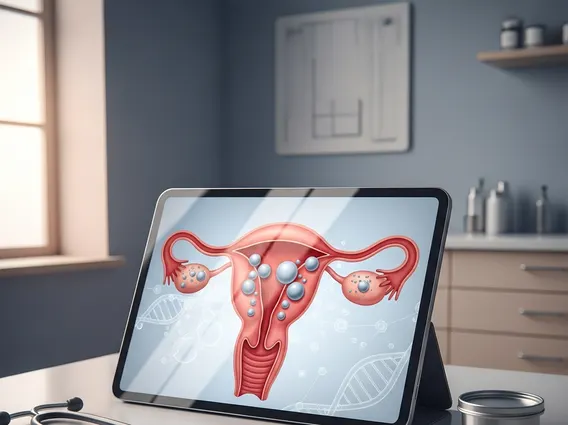
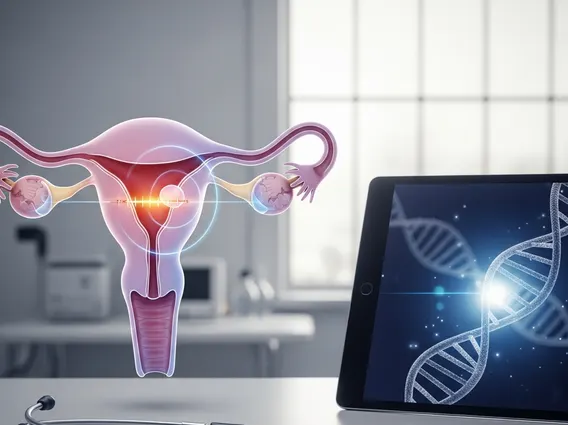
Surgical Menopause refers to the immediate and abrupt onset of menopause that occurs when a woman’s ovaries are surgically removed, a procedure known as an oophorectomy. Unlike natural menopause, which is a gradual process over several years, surgical menopause results in an instantaneous drop in hormone levels, particularly estrogen and progesterone. This can happen as part of a hysterectomy (removal of the uterus) or as a standalone procedure, often performed to treat conditions like endometriosis, ovarian cysts, or to reduce the risk of ovarian cancer in genetically predisposed individuals. The sudden cessation of ovarian hormone production can lead to a more intense experience of menopausal symptoms, significantly impacting a woman’s quality of life and long-term health.
Symptoms and Health Impacts
The abrupt hormonal shift in Surgical Menopause can lead to a range of symptoms that are often more severe and sudden than those experienced during natural menopause. These symptoms are directly related to the rapid and complete lack of estrogen in the body. Understanding these changes is crucial for effective management and support, as they can significantly affect daily life and overall well-being.
Common symptoms of surgical menopause include:
- Hot Flashes and Night Sweats: These are sudden, intense feelings of heat that spread across the body, often accompanied by profuse sweating. Night sweats can severely disrupt sleep patterns.
- Vaginal Dryness and Discomfort: Estrogen deficiency leads to the thinning and drying of vaginal tissues, known as vaginal atrophy, causing itching, burning, and pain during sexual activity.
- Mood Changes: Many women experience increased irritability, anxiety, depression, and pronounced mood swings due to the sudden hormonal imbalance.
- Sleep Disturbances: Insomnia and difficulty staying asleep are common, often exacerbated by night sweats and anxiety.
- Reduced Libido: A significant decrease in sex drive can occur due to both physical discomfort and hormonal shifts.
- Cognitive Changes: Some women report difficulties with concentration, memory, and mental clarity, often referred to as “brain fog.”
Beyond these immediate symptoms, surgical menopause also carries significant long-term health impacts. The sudden loss of estrogen significantly increases the risk of osteoporosis, a condition where bones become weak and brittle. For instance, women who undergo bilateral oophorectomy before the age of 45 have a substantially higher risk of developing osteoporosis compared to those who experience natural menopause later in life, according to data from the National Osteoporosis Foundation. Additionally, early surgical menopause may be associated with an increased risk of cardiovascular disease, as estrogen plays a protective role in heart health.
Recovery and Hormone Replacement Therapy (HRT)
Surgical menopause recovery involves both the physical healing from the surgery itself and the adjustment to the sudden and profound hormonal changes. The immediate post-operative period focuses on managing surgical pain, preventing infection, and ensuring proper wound healing. Long-term recovery, however, centers on effectively managing menopausal symptoms and mitigating the associated health risks through a personalized approach that may include lifestyle adjustments, dietary changes, and medical interventions.
One of the primary considerations for managing the effects of surgical menopause is Hormone replacement after surgical menopause. Hormone Replacement Therapy (HRT) involves supplementing the body with estrogen, and sometimes progesterone, to replace the hormones no longer produced by the ovaries. HRT can be highly effective in alleviating many of the severe symptoms of surgical menopause, such as hot flashes, night sweats, vaginal dryness, and mood disturbances. Furthermore, it plays a crucial role in preventing long-term health issues like osteoporosis and may offer cardiovascular benefits, particularly when initiated shortly after surgery in younger women. The decision to use HRT, and the specific type and duration of therapy, is highly individualized. It should be made in close consultation with a healthcare provider, carefully weighing the significant benefits against potential risks, such as those related to breast cancer or blood clots, based on an individual’s comprehensive health history and risk factors. Regular follow-ups are essential to monitor effectiveness and adjust treatment as needed.