Suprarenal Gland
The suprarenal gland, also known as the adrenal gland, is a vital endocrine organ responsible for producing a wide array of hormones that regulate various bodily functions. These glands play a crucial role in managing stress, metabolism, blood pressure, and immune responses.
Key Takeaways
- The Suprarenal Gland, or adrenal gland, is located above the kidneys and consists of two main parts: the cortex and the medulla.
- It produces essential hormones like cortisol, aldosterone, and adrenaline, which regulate stress, metabolism, blood pressure, and electrolyte balance.
- Dysfunction can lead to various disorders, including Addison’s disease (hormone deficiency) and Cushing’s syndrome (hormone excess).
- Symptoms of suprarenal gland disorders can range from fatigue and weight changes to high blood pressure and mood disturbances.
- Early diagnosis and appropriate medical treatment are crucial for managing suprarenal gland conditions effectively.
What is the Suprarenal Gland: Anatomy and Function
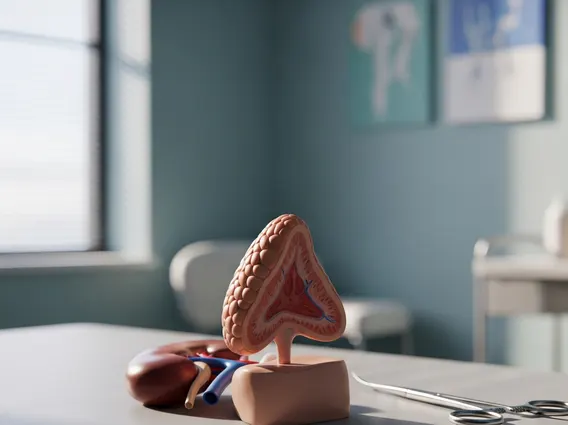
The Suprarenal Gland, more commonly known as the adrenal gland, is a pair of small, triangular-shaped endocrine glands situated on top of each kidney. Each gland is composed of two distinct parts: the outer adrenal cortex and the inner adrenal medulla, both of which produce different types of hormones essential for life. The adrenal gland location and purpose are critical for maintaining homeostasis, as they secrete hormones directly into the bloodstream to regulate numerous physiological processes.
The suprarenal gland function and anatomy are highly specialized. The adrenal cortex is responsible for producing steroid hormones, including glucocorticoids (like cortisol), mineralocorticoids (like aldosterone), and adrenal androgens. Cortisol helps regulate metabolism, suppress inflammation, and assist the body in responding to stress. Aldosterone is vital for controlling blood pressure by managing sodium and potassium levels in the body. The adrenal medulla, on the other hand, produces catecholamines, primarily adrenaline (epinephrine) and noradrenaline (norepinephrine), which are involved in the “fight or flight” response, increasing heart rate, blood pressure, and energy supply during stressful situations.
These hormones work in concert to ensure the body can adapt to internal and external changes, maintain fluid and electrolyte balance, and manage stress effectively. For instance, the World Health Organization (WHO) highlights the critical role of adrenal hormones in regulating cardiovascular function and metabolic processes, underscoring their importance for overall health.
Suprarenal Gland Disorders and Associated Symptoms
Dysfunction of the suprarenal gland can lead to a variety of conditions, often characterized by either an overproduction or underproduction of its vital hormones. Understanding suprarenal gland disorders symptoms is crucial for timely diagnosis and effective management. These disorders can significantly impact a person’s quality of life and, if left untreated, can be life-threatening.
One common disorder is Addison’s disease, or primary adrenal insufficiency, where the adrenal glands produce insufficient amounts of cortisol and often aldosterone. This can result from autoimmune destruction of the adrenal cortex. Conversely, Cushing’s syndrome arises from prolonged exposure to high levels of cortisol, often due to an adrenal tumor or excessive pituitary ACTH production. Another condition, pheochromocytoma, is a rare tumor of the adrenal medulla that leads to an overproduction of adrenaline and noradrenaline.
Symptoms vary depending on the specific disorder but can include a range of systemic effects. For example, individuals with Addison’s disease may experience:
- Chronic fatigue and muscle weakness
- Weight loss and decreased appetite
- Low blood pressure (hypotension)
- Hyperpigmentation of the skin (darkening)
- Salt craving
- Nausea, vomiting, and abdominal pain
In contrast, Cushing’s syndrome often presents with symptoms such as weight gain (especially around the midsection and upper back), a rounded face, easy bruising, high blood pressure, and muscle weakness. Pheochromocytoma typically causes episodes of high blood pressure, headaches, sweating, and rapid heart rate. Early recognition of these symptoms and prompt medical evaluation are essential for accurate diagnosis and the initiation of appropriate treatment, which may involve hormone replacement therapy, medication to block hormone production, or surgical intervention.