Supplemental Oxygen Therapy
Supplemental Oxygen Therapy is a medical treatment that provides extra oxygen to individuals who cannot get enough on their own. This vital intervention helps maintain adequate oxygen levels in the blood, supporting various bodily functions and improving overall health.
Key Takeaways
- Supplemental Oxygen Therapy delivers additional oxygen to patients with conditions causing low blood oxygen levels.
- It works by increasing the oxygen concentration in inhaled air, thereby improving oxygen saturation in the bloodstream.
- Key benefits include reduced breathlessness, enhanced exercise tolerance, and an improved quality of life.
- Oxygen is administered via devices such as nasal cannulas or masks, with dosage tailored to individual patient needs.
- While generally safe, potential side effects can include nasal dryness, skin irritation, and, rarely, oxygen toxicity.
What is Supplemental Oxygen Therapy?
Supplemental Oxygen Therapy refers to a medical treatment that delivers additional oxygen to patients whose blood oxygen levels are too low. This condition, known as hypoxemia, can result from various underlying health issues, including chronic obstructive pulmonary disease (COPD), asthma, pneumonia, cystic fibrosis, and severe heart failure. The primary goal of this therapy is to ensure that the body’s tissues and organs receive sufficient oxygen to function properly, preventing complications and improving overall well-being. According to the World Health Organization (WHO), hypoxemia is a common and treatable condition, particularly in various healthcare settings, underscoring the global importance of oxygen therapy.
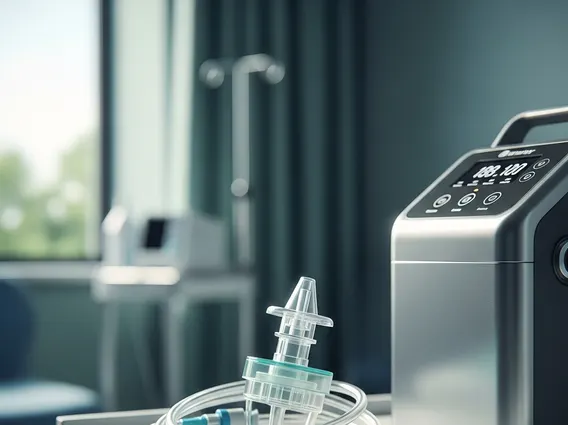
Oxygen is typically administered through various devices, such as nasal cannulas, face masks, or transtracheal catheters, which are connected to an oxygen source. The specific dosage and delivery method are carefully prescribed by a healthcare professional based on the individual’s unique needs, the severity of their condition, and their lifestyle. This personalized approach ensures that patients receive the optimal amount of oxygen to alleviate symptoms and enhance their quality of life.
How Supplemental Oxygen Therapy Works and Its Benefits
How supplemental oxygen therapy works involves increasing the concentration of oxygen in the air a person breathes, thereby raising the oxygen levels in their blood. When the lungs are unable to adequately transfer oxygen from the ambient air into the bloodstream, supplemental oxygen provides a higher percentage of oxygen, making it easier for the lungs to perform this essential function. This enhanced oxygenation helps to alleviate the strain on the heart and lungs, which often work harder to compensate for persistently low oxygen levels.
The benefits of oxygen therapy are significant for individuals experiencing hypoxemia. These advantages extend beyond simply improving breathing and can profoundly impact a patient’s daily life and long-term health. Key benefits include:
- Reduced Breathlessness: Patients often experience a significant decrease in dyspnea (shortness of breath), making everyday activities more manageable and comfortable.
- Improved Exercise Tolerance: With better oxygen saturation, individuals may find it easier to engage in physical activity, which is crucial for maintaining muscle strength, cardiovascular health, and overall fitness.
- Enhanced Sleep Quality: Adequate oxygen levels during sleep can prevent nocturnal hypoxemia, leading to more restful sleep and reduced daytime fatigue.
- Increased Mental Alertness: Brain function relies heavily on a consistent supply of oxygen; improved oxygenation can lead to better concentration, memory, and overall cognitive function.
- Better Quality of Life: By alleviating debilitating symptoms and improving physical capabilities, oxygen therapy can significantly enhance a patient’s overall well-being, independence, and ability to participate in social activities.
- Reduced Risk of Complications: Long-term oxygen therapy can help prevent serious complications associated with chronic hypoxemia, such as pulmonary hypertension and right-sided heart failure.
Potential Side Effects of Oxygen Therapy
While generally safe and highly effective, side effects of oxygen therapy can occur, though they are often manageable. It is crucial for patients to use oxygen exactly as prescribed by their healthcare provider to minimize risks and ensure optimal outcomes. Common side effects are typically mild and localized, often related to the delivery method.
Some potential side effects include:
- Nasal Dryness and Irritation: Using a nasal cannula can sometimes lead to dryness, crusting, or irritation in the nostrils. Humidifiers connected to the oxygen source can often help mitigate these symptoms.
- Skin Irritation: The tubing and masks can cause pressure sores or irritation on the skin, particularly behind the ears or on the face. Regular repositioning of the equipment and the use of protective padding can help prevent this.
- Headaches: Some individuals may experience headaches, especially when initiating therapy or if the oxygen flow rate is not correctly adjusted.
- Oxygen Toxicity (Rare): In very rare instances, particularly with high concentrations of oxygen delivered over extended periods, oxygen toxicity can occur, potentially damaging lung tissue. However, this risk is closely monitored by healthcare professionals, and prescribed dosages are carefully managed to avoid such complications.
- Fire Hazard: Oxygen itself is not flammable, but it vigorously supports combustion. Therefore, it is critically important to keep oxygen equipment away from open flames, smoking materials, and any heat sources to prevent fires.
Patients should promptly report any uncomfortable or persistent side effects to their doctor or care team. Adjustments to the oxygen flow rate, changes in the delivery method, or the addition of humidification can often resolve these issues, ensuring the therapy remains both beneficial and comfortable.