Suction Evacuation
Suction Evacuation is a fundamental medical procedure that involves the use of negative pressure to remove fluids, gases, or other substances from a body cavity, wound, or airway. This technique is critical in various clinical settings to maintain patient safety and facilitate medical interventions.
Key Takeaways
- Suction Evacuation is a medical procedure utilizing negative pressure to remove unwanted substances from the body.
- It operates by creating a vacuum through a specialized device, drawing out fluids, gases, or debris.
- The procedure is vital for maintaining clear airways, managing surgical sites, and draining wounds effectively.
- Benefits include preventing complications, improving surgical visibility, and enhancing overall patient recovery.
What is Suction Evacuation?
Suction Evacuation is a medical procedure that employs negative pressure, or a vacuum, to extract fluids, gases, or other materials from a specific area of the body. This technique is indispensable across numerous medical disciplines, ranging from emergency medicine to complex surgical operations. The primary goal is to clear obstructions, remove excess substances, or maintain a clean field for medical professionals to work effectively. It is a core component of patient care, ensuring physiological stability and preventing potential complications arising from accumulated substances.
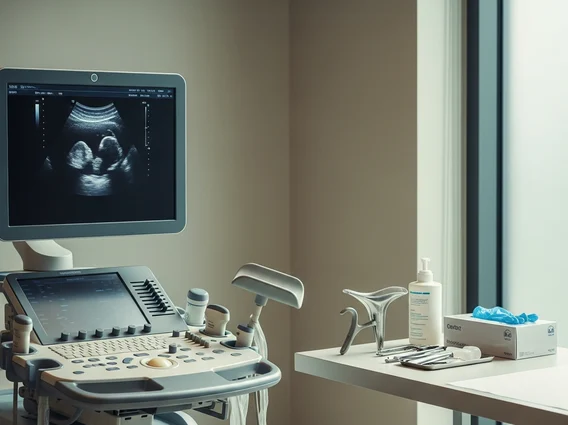
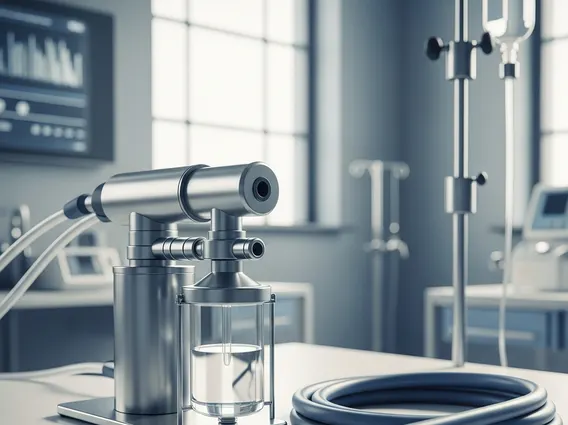
This essential medical procedure is designed to be efficient and controlled, allowing for precise removal without causing undue trauma to surrounding tissues. The equipment typically involves a suction pump, collection canister, and various types of catheters or tubes, each selected based on the specific application and the nature of the material being removed. For instance, a common application of a Suction evacuation medical procedure is clearing the airway of a patient who is unable to do so themselves, such as during an emergency or post-surgery.
How Does Suction Evacuation Work?
The mechanism behind Suction Evacuation is based on creating a pressure differential. A specialized device, often referred to as a suction pump or aspirator, generates negative pressure, or a vacuum, within a closed system. This system typically includes a sterile tube or catheter connected to a collection canister and the suction source. When the catheter tip is placed near the target substance (e.g., blood, mucus, pus, or tissue fragments), the lower pressure inside the system draws the material into the tubing and then into the collection canister.
The effectiveness of the procedure relies on several factors, including the strength of the vacuum, the diameter and type of the suction catheter, and the viscosity of the material being evacuated. Modern suction devices often allow for adjustable suction levels, enabling medical professionals to tailor the procedure to the specific needs of the patient and the clinical situation. This adaptability ensures both efficacy in removal and safety for delicate tissues. For example, in surgical settings, high-volume suction might be used to clear blood quickly, while in respiratory care, gentler suction is applied to remove secretions from the airway.
Uses and Benefits of Suction Evacuation
Suction Evacuation is a versatile medical technique with a wide array of applications across various specialties, offering significant benefits for patient care. Its primary role is to maintain clear pathways, remove unwanted substances, and optimize conditions for medical interventions. The Suction evacuation uses and benefits are extensive, contributing significantly to patient safety and recovery.
Key applications include:
- Airway Management: Clearing secretions, blood, or vomit from the trachea and bronchi to prevent aspiration and ensure adequate ventilation, especially in unconscious or intubated patients.
- Surgical Field Clearance: Removing blood, irrigation fluid, and tissue debris during surgery to maintain clear visibility for the surgeon, thereby enhancing precision and reducing operative time.
- Wound Drainage: Evacuating exudates and fluid accumulation from surgical sites or deep wounds to promote healing, reduce infection risk, and minimize discomfort.
- Gastrointestinal Decompression: Removing air and fluid from the stomach or intestines to relieve distension, nausea, or vomiting, often post-operatively or in cases of obstruction.
- Emergency Situations: Rapid removal of foreign bodies or fluids from the mouth and throat in choking or trauma scenarios to restore breathing.
The benefits of this procedure are manifold. By effectively removing obstructions and excess fluids, suction evacuation helps prevent serious complications such as pneumonia, infection, and respiratory distress. It significantly improves the efficiency and safety of surgical procedures, allowing for better outcomes. Furthermore, it plays a crucial role in patient comfort and recovery, reducing swelling and the risk of hematoma formation. According to the World Health Organization (WHO), proper infection control practices, which often involve effective suction and waste management, are critical in reducing healthcare-associated infections globally, underscoring the importance of procedures like suction evacuation in maintaining sterile environments and patient well-being.