
Subtotal Hysterectomy
Subtotal hysterectomy is a surgical procedure involving the removal of the uterus while preserving the cervix. This procedure is performed for various gynecological conditions, offering a distinct approach compared to a total hysterectomy.
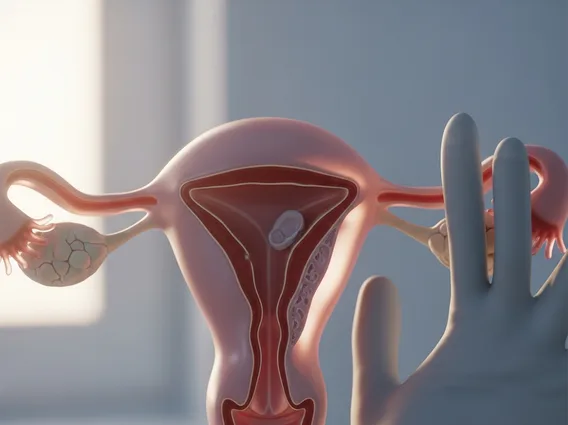
Key Takeaways
- Subtotal Hysterectomy removes the uterus but leaves the cervix intact.
- It is often chosen to address conditions like fibroids, endometriosis, or abnormal uterine bleeding.
- Potential benefits include reduced risk of vaginal prolapse and maintaining cervical support.
- Recovery typically involves a hospital stay of 1-3 days and several weeks of restricted activity.
- Patients should discuss all surgical options and potential outcomes with their healthcare provider.
What is Subtotal Hysterectomy: Procedure Explained
Subtotal Hysterectomy, also known as supracervical hysterectomy, is a surgical operation where a woman’s uterus is removed, but her cervix is left in place. This procedure differs from a total hysterectomy, which involves the removal of both the uterus and the cervix. The primary goal of this surgery is to alleviate symptoms caused by various gynecological conditions without removing the cervix, which some women prefer to retain for perceived benefits related to pelvic support or sexual function.
The decision to undergo a subtotal hysterectomy is typically made after a thorough evaluation of a patient’s medical history, symptoms, and diagnostic tests. Common indications for this procedure include uterine fibroids (non-cancerous growths), severe endometriosis, adenomyosis, and abnormal uterine bleeding that has not responded to other treatments. The subtotal hysterectomy procedure explained involves making an incision in the abdomen (abdominal hysterectomy) or using minimally invasive techniques such as laparoscopy or robotic-assisted surgery. During the operation, the surgeon carefully detaches the uterus from its surrounding structures, ligates blood vessels, and removes the uterine body while ensuring the cervix remains intact. The method chosen depends on factors like the size of the uterus, the presence of adhesions, and the surgeon’s expertise.
Benefits and Recovery from Subtotal Hysterectomy
There are several potential benefits of subtotal hysterectomy that make it a preferred option for some patients. By preserving the cervix, some women report maintaining better vaginal support, which may reduce the risk of future pelvic organ prolapse compared to a total hysterectomy. Additionally, some individuals believe that retaining the cervix contributes to better sexual function and sensation, although scientific evidence on this aspect is mixed and varies among individuals. It may also be associated with a shorter operating time and less blood loss in some cases. However, it is important to note that women who retain their cervix still require regular cervical cancer screenings (Pap tests) as the risk of cervical cancer remains.
The recovery from subtotal hysterectomy typically involves a hospital stay of one to three days, depending on the surgical approach and the patient’s overall health. Post-operative care focuses on pain management, preventing infection, and encouraging early mobilization. Patients are usually advised to avoid heavy lifting, strenuous activities, and sexual intercourse for several weeks to allow for proper healing. Full recovery can take anywhere from four to eight weeks, during which time patients gradually return to their normal activities. It is crucial for patients to follow their surgeon’s post-operative instructions diligently and attend all follow-up appointments to ensure a smooth and complete recovery. According to the Centers for Disease Control and Prevention (CDC), hysterectomy is one of the most common surgical procedures among women in the United States, with various types performed based on individual patient needs and medical conditions.



















