Subependymal
The subependymal region of the brain is a fascinating and vital area, recognized for its significant role in neurogenesis and brain plasticity. It represents a key zone for cellular activity, contributing to both the development and ongoing maintenance of brain health.
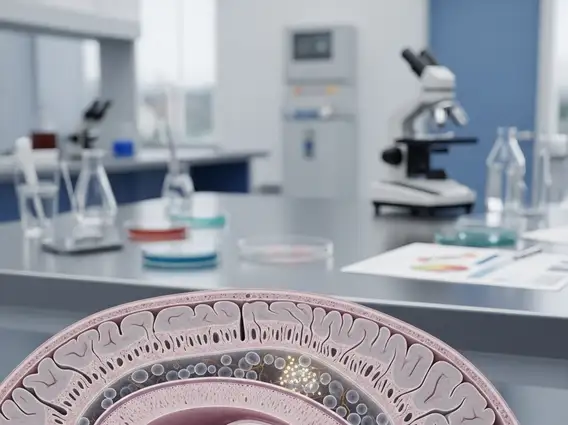
Key Takeaways
- The Subependymal region is located beneath the ependyma, lining the brain’s ventricles.
- It functions as a crucial neurogenic niche, particularly in the lateral ventricles.
- This zone is involved in the generation of new neurons and glial cells throughout life.
- Key cell types include neural stem cells, astrocytes, and ependymal cells, each with distinct roles.
- Understanding the Subependymal area is essential for research into brain repair and neurological disorders.
What is Subependymal?
The term Subependymal refers to a distinct anatomical region within the brain, situated directly beneath the ependyma. The ependyma itself is a specialized epithelial layer that lines the cerebral ventricles, which are fluid-filled cavities containing cerebrospinal fluid (CSF). Therefore, the subependymal zone lies between the ventricular lumen and the underlying brain parenchyma.
The subependymal definition and meaning highlights its importance as a neurogenic niche in the adult mammalian brain, particularly prominent in the lateral ventricles. This means it is one of the few areas where new neurons and glial cells continue to be generated throughout life, a process known as adult neurogenesis. This continuous cell production is crucial for brain plasticity, repair mechanisms, and potentially for cognitive functions.
Subependymal Zone: Brain Function and Location
The subependymal zone brain function is primarily centered around its role as a major neurogenic niche. Located immediately adjacent to the lateral ventricles, this region is a reservoir of neural stem cells (NSCs) and progenitor cells. These cells have the remarkable ability to self-renew and differentiate into various types of brain cells, including neurons, astrocytes, and oligodendrocytes.
The location of the subependymal zone allows it to interact with the cerebrospinal fluid, which provides essential signaling molecules and nutrients that regulate stem cell activity. From this zone, newly generated cells migrate to different brain regions, most notably to the olfactory bulb, where they integrate into existing neural circuits. This continuous supply of new cells is thought to contribute to learning, memory, and the brain’s capacity to adapt and repair itself following injury or disease.
Subependymal Cells: Types and Roles
The subependymal region is characterized by a diverse population of cells, each contributing to its unique functions. Understanding these subependymal cells explained provides insight into the dynamic processes occurring within this neurogenic niche. The primary cell types found here include:
- Neural Stem Cells (NSCs): These are the multipotent cells responsible for generating new neurons and glial cells. They typically exist in a quiescent state but can be activated to proliferate and differentiate.
- Astrocytes: A type of glial cell, astrocytes in the subependymal zone play a crucial role in supporting NSCs, regulating their proliferation, and guiding the migration of newly formed cells. They also contribute to the structural integrity of the niche.
- Ependymal Cells: While not strictly part of the subependymal zone, the ependymal cells form the boundary layer. They are ciliated cells that help circulate CSF and may also provide signals that influence the underlying stem cell population.
- Oligodendrocyte Progenitor Cells (OPCs): These cells are precursors to oligodendrocytes, which are responsible for producing myelin, the insulating sheath around nerve fibers. OPCs in the subependymal zone contribute to myelin repair and formation.
These cell types work in concert, forming a complex microenvironment that supports the ongoing generation and integration of new cells into the brain, highlighting the subependymal zone’s critical role in brain health and plasticity.