Subcutaneous Port
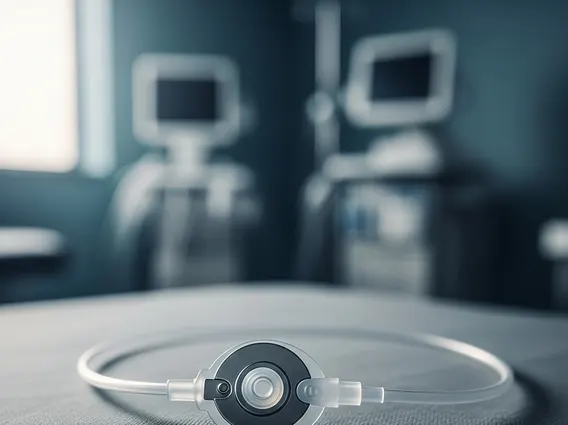
A Subcutaneous Port is a medical device implanted under the skin, providing long-term access to a patient’s bloodstream. It is commonly used for various medical treatments, including chemotherapy, antibiotics, and blood transfusions, offering a more comfortable and reliable alternative to repeated needle sticks.
Key Takeaways
- A Subcutaneous Port is an implanted device for long-term venous access, reducing the need for frequent needle sticks.
- It consists of a reservoir under the skin connected to a catheter leading into a large vein.
- Ports are used for administering medications, fluids, nutrition, and for drawing blood samples.
- Insertion and removal are minor surgical procedures, and proper care is essential to prevent complications.
- Regular flushing and sterile access are critical for maintaining port function and preventing infection.
What is a Subcutaneous Port?
A Subcutaneous Port, often referred to simply as a port, is a small, implantable medical device that provides a convenient and reliable way to access a patient’s bloodstream over an extended period. It is entirely situated beneath the skin, typically in the chest area, making it less visible and reducing the risk of infection compared to external lines. The port consists of a small reservoir or septum, usually made of plastic or metal, with a self-sealing silicone membrane on top. This reservoir is connected to a thin, flexible tube called a catheter, which is threaded into a large central vein, often in the neck or upper chest, and extends towards the heart.
Subcutaneous ports are used for a variety of medical purposes, particularly when frequent or prolonged intravenous access is required. This includes the administration of chemotherapy drugs, long-term antibiotics, intravenous fluids, blood products, and parenteral nutrition. They are also highly effective for regular blood sampling, minimizing discomfort and preserving peripheral veins that might otherwise be damaged by repeated punctures. According to the American Cancer Society, ports are a common and effective method for delivering cancer treatments, significantly improving the quality of life for many patients undergoing therapy.
How Subcutaneous Ports Work
The functionality of a subcutaneous port relies on its unique design, allowing for sterile and repeated access to the bloodstream. When the port needs to be used, a healthcare professional inserts a special non-coring needle, known as a Huber needle, through the skin and into the port’s self-sealing septum. This needle is designed to pierce the silicone membrane without coring out a piece, allowing the membrane to reseal itself after the needle is withdrawn, which helps prevent leakage and infection.
Once the Huber needle is securely in place, it provides a direct pathway to the catheter and, subsequently, to the patient’s central vein. Medications, fluids, or blood can then be infused or withdrawn through this access point. After each use, the port and catheter are typically flushed with a saline solution, often followed by a heparin solution, to prevent blood clots from forming inside the catheter and maintain its patency. This flushing procedure is crucial for the long-term functionality and safety of the device, ensuring it remains clear and ready for future use.
Subcutaneous Port Insertion, Removal, and Care
The process of subcutaneous port insertion and removal involves minor surgical procedures, usually performed under local anesthesia, sometimes with sedation. For insertion, a small incision is made in the chest wall to create a pocket for the port reservoir, and another small incision is made in the neck or chest to access the vein. The catheter is then carefully threaded into the vein, and its tip is positioned in a large central vein. The port is secured under the skin, and both incisions are closed. The procedure typically takes about 30 to 60 minutes, and patients can often go home the same day. Port removal is a similar, straightforward procedure, performed when the port is no longer needed, for example, after the completion of treatment or if complications arise.
Effective subcutaneous port care and maintenance are vital to prevent complications such as infection, occlusion, or dislodgement. Patients and caregivers receive specific instructions on how to manage the port between uses. Key aspects of port care include:
- Sterile Access: Only trained healthcare professionals should access the port using sterile techniques and appropriate Huber needles.
- Dressing Changes: When the port is actively being used, a sterile dressing is applied over the access site and changed regularly according to clinical guidelines.
- Flushing: Regular flushing with saline and sometimes heparin is performed to prevent blood clots and maintain catheter patency, even when the port is not in active use.
- Monitoring for Complications: Patients are advised to watch for signs of infection (redness, swelling, pain, fever), catheter blockage (difficulty infusing or withdrawing), or dislodgement.
Adhering to these care guidelines significantly reduces the risk of complications, allowing patients to benefit from the convenience and safety a subcutaneous port provides throughout their treatment journey.