Stage I Nasal Cavity And Ethmoid Sinus Cancer
Stage I Nasal Cavity And Ethmoid Sinus Cancer refers to a localized form of cancer affecting the nasal cavity or ethmoid sinuses, characterized by a small tumor that has not spread to nearby lymph nodes or distant sites. Early detection and understanding of this condition are crucial for effective management and improved outcomes.
Key Takeaways
- Stage I Nasal Cavity And Ethmoid Sinus Cancer is an early, localized form of cancer in the nasal passages or ethmoid sinuses.
- Early symptoms can be subtle and often mimic common conditions, making prompt medical evaluation essential.
- Diagnosis typically involves a combination of physical examination, imaging, and biopsy to confirm the presence and stage of cancer.
- Treatment options for Stage I disease primarily include surgery and radiation therapy, often used alone or in combination.
- Early diagnosis significantly improves the prognosis and treatment success rates for this type of cancer.
What is Stage I Nasal Cavity And Ethmoid Sinus Cancer?
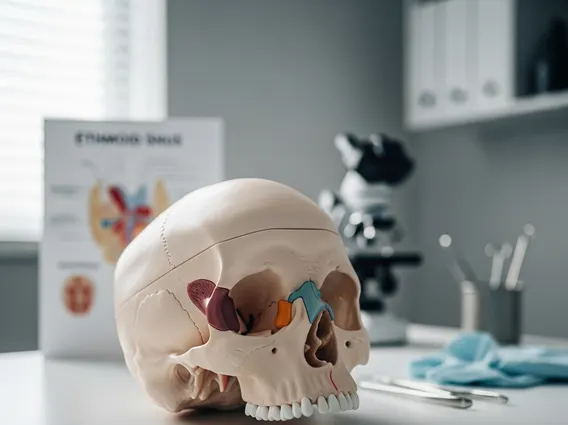
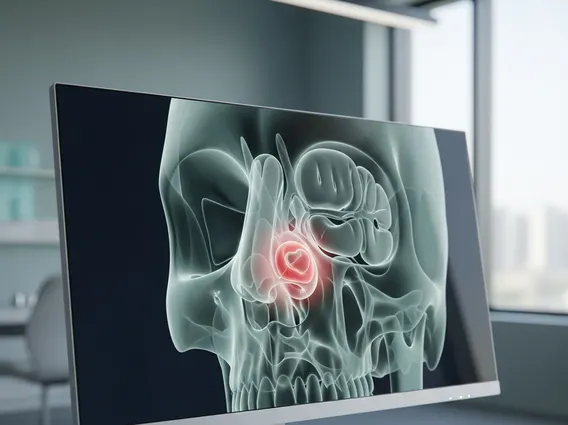
Stage I Nasal Cavity And Ethmoid Sinus Cancer is defined by the presence of a small tumor that is confined to the original site within the nasal cavity or ethmoid sinus. At this stage, the cancer has not grown into surrounding structures, such as the bone or soft tissues outside the sinus, nor has it spread to lymph nodes or distant parts of the body. The nasal cavity is the air-filled space behind the nose, while the ethmoid sinuses are air-filled spaces located between the eyes, behind the bridge of the nose. Cancers originating in these areas are relatively rare, accounting for less than 1% of all cancers, according to the American Cancer Society.
Understanding the staging is vital because it guides treatment decisions and helps predict prognosis. Stage I indicates the earliest and most treatable form of the disease, emphasizing the importance of recognizing symptoms early. These cancers typically arise from the lining cells of the nasal cavity or ethmoid sinuses, and their specific characteristics at this stage mean they are often amenable to curative treatments.
Early Symptoms and Diagnosis of Stage I Nasal Cavity Cancer
Recognizing ethmoid sinus cancer early symptoms can be challenging as they often resemble those of more common, benign conditions like allergies or sinus infections. However, persistent or worsening symptoms warrant medical attention. These early signs are typically localized to the affected area and may include:
- Persistent nasal congestion or stuffiness, often affecting only one side.
- Nosebleeds (epistaxis) that are frequent or unusually heavy.
- Reduced sense of smell (anosmia).
- Nasal discharge, which may be bloody or purulent.
- Pain or pressure in the face, particularly around the eyes or bridge of the nose.
- A lump or sore inside the nose that does not heal.
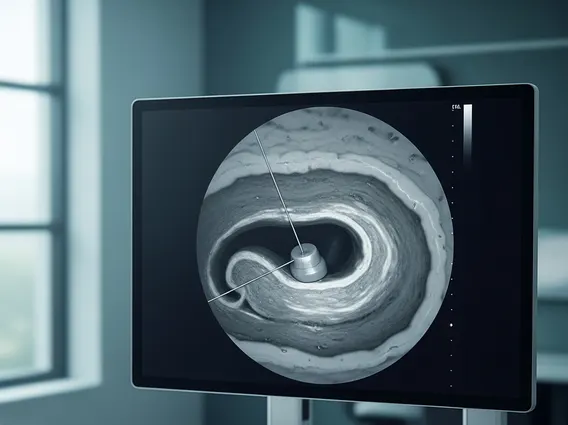
The process for nasal cavity cancer diagnosis stage 1 involves a thorough evaluation by an ear, nose, and throat (ENT) specialist. This typically begins with a physical examination, including a nasal endoscopy, where a thin, flexible tube with a camera is used to visualize the nasal passages and sinuses. If a suspicious area is found, a biopsy is performed to obtain tissue for microscopic examination, which is essential for confirming the presence of cancer and determining its type. Imaging studies, such as computed tomography (CT) scans or magnetic resonance imaging (MRI) of the head and neck, are crucial for precisely defining the tumor’s size, location, and extent of local spread, which helps in accurate staging.
Treatment Options for Stage I Nasal Cavity And Ethmoid Sinus Cancer
The primary stage 1 nasal cancer treatment options aim to remove the cancer entirely while preserving as much normal function and appearance as possible. Given the early and localized nature of Stage I disease, treatment is often highly effective. The most common approaches include surgery, radiation therapy, or a combination of both.
Surgery is frequently the first-line treatment for Stage I nasal cavity and ethmoid sinus cancer. The goal is to surgically remove the tumor with clear margins, meaning no cancer cells are left behind at the edges of the removed tissue. Depending on the tumor’s exact location and size, endoscopic surgery (minimally invasive) or open surgery may be performed. Radiation therapy uses high-energy rays to kill cancer cells and may be used after surgery to eliminate any remaining microscopic cancer cells or as the primary treatment if surgery is not feasible or desired. The choice of treatment plan is highly individualized, based on the specific characteristics of the tumor, the patient’s overall health, and potential side effects. A multidisciplinary team of specialists, including oncologists, surgeons, and radiation oncologists, collaborates to develop the most appropriate and effective treatment strategy.
Disclaimer: This information is for educational purposes only and does not constitute medical advice. Always consult with a qualified healthcare professional for diagnosis and treatment of any medical condition.