Stage I Maxillary Sinus Cancer
Stage I Maxillary Sinus Cancer represents an early and localized form of cancer originating in the maxillary sinuses, which are air-filled spaces located behind the cheekbones.
Key Takeaways
- Stage I Maxillary Sinus Cancer is an early-stage malignancy confined to the sinus lining, without spread.
- Symptoms are often subtle and can mimic common sinus infections, making early diagnosis challenging.
- Diagnosis typically involves imaging studies like CT or MRI, followed by a biopsy for confirmation.
- Primary treatment usually involves surgery, sometimes followed by radiation therapy.
- The prognosis for Stage I Maxillary Sinus Cancer is generally favorable due to its localized nature.
What is Stage I Maxillary Sinus Cancer?
Stage I Maxillary Sinus Cancer is defined as a malignant tumor that is confined to the lining of the maxillary sinus. At this early stage, the cancer has not spread to the bone, surrounding tissues, lymph nodes, or distant parts of the body. It represents the least advanced form of maxillary sinus cancer, making early detection and intervention critical for successful treatment. The staging system, often based on the TNM (Tumor, Node, Metastasis) classification, categorizes Stage I as T1, indicating a small tumor without significant invasion.
Maxillary sinus cancer is a relatively rare type of head and neck cancer, often presenting unique diagnostic challenges due to the hidden location of the sinuses and the non-specific nature of early symptoms. Recognizing the characteristics of Stage I disease is essential for both patients and healthcare providers to ensure timely and appropriate management.
Symptoms and Diagnosis of Stage I Maxillary Sinus Cancer
The **Stage 1 maxillary sinus cancer symptoms** can be subtle and easily mistaken for more common conditions like allergies or sinus infections, which often delays diagnosis. As the tumor is small and localized, symptoms may not be immediately apparent or may be vague. However, some indicators might include:
- Persistent nasal congestion or obstruction, often on one side.
- Nasal discharge, which may occasionally be bloody.
- Facial pain or pressure, particularly in the cheek area.
- Swelling or numbness in the cheek or upper lip.
- Persistent headache or toothache in the upper jaw.
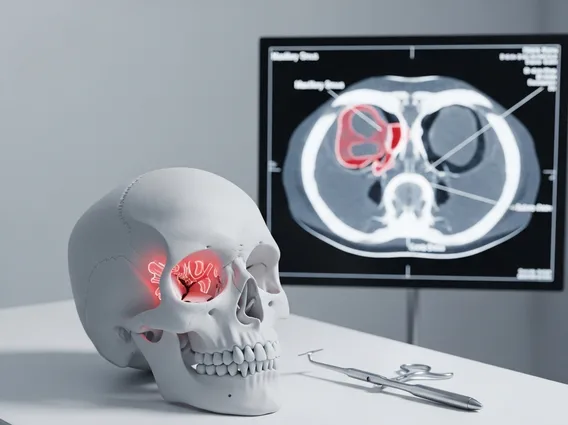
Diagnosis typically begins with a thorough physical examination, including an endoscopic evaluation of the nasal cavity. Imaging studies are crucial for visualizing the tumor and assessing its extent. Computed tomography (CT) scans and magnetic resonance imaging (MRI) are commonly used to provide detailed images of the sinuses and surrounding structures. A definitive diagnosis is established through a biopsy, where a small tissue sample is taken from the suspicious area and examined under a microscope by a pathologist.
Treatment and Prognosis for Stage I Maxillary Sinus Cancer
The **Maxillary sinus cancer stage 1 treatment** primarily focuses on the complete removal of the tumor while preserving as much function and appearance as possible. Surgery is the cornerstone of treatment for Stage I disease. This may involve a maxillectomy, a procedure to remove part or all of the maxillary bone containing the tumor. The extent of surgery depends on the tumor’s exact location and size within the sinus.
Following surgery, radiation therapy may be recommended as an adjuvant treatment, especially if there are concerns about surgical margins or other high-risk features. Chemotherapy is generally not a primary treatment for Stage I disease but might be considered in specific circumstances or as part of clinical trials. The multidisciplinary team, including head and neck surgeons, radiation oncologists, and medical oncologists, collaborates to create an individualized treatment plan.
The **prognosis for Stage I Maxillary Sinus Cancer** is generally favorable compared to later stages, largely due to the localized nature of the disease. Early detection and complete surgical removal significantly improve the chances of a positive outcome. According to the American Cancer Society, the 5-year survival rate for localized paranasal sinus and nasal cavity cancers (which includes maxillary sinus cancer) is approximately 60-70%, though specific rates for Stage I can be higher due to the absence of spread. Regular follow-up appointments are crucial after treatment to monitor for recurrence and manage any potential side effects.