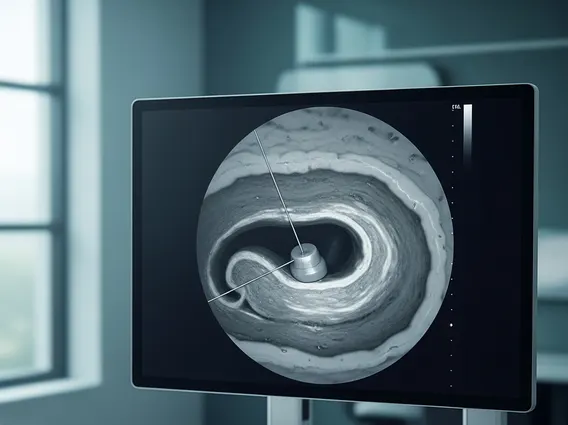
Stage I Leiomyosarcoma Of The Uterus
Stage I Leiomyosarcoma Of The Uterus is a rare and aggressive form of cancer originating in the smooth muscle tissue of the uterus. Understanding this diagnosis is crucial for effective management and treatment planning.
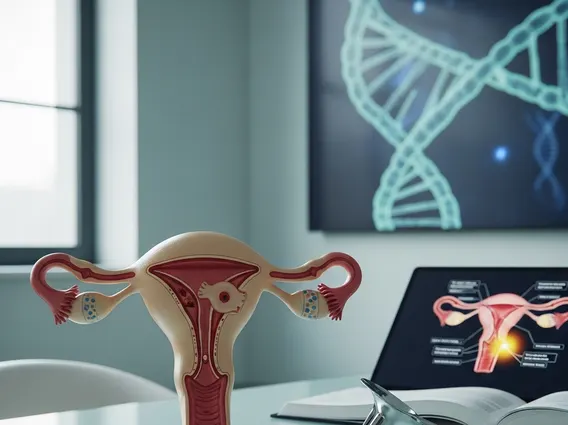
Key Takeaways
- Stage I uterine leiomyosarcoma is an aggressive cancer confined to the uterus, originating from smooth muscle cells.
- Common symptoms include abnormal vaginal bleeding, pelvic pain, and a feeling of fullness in the abdomen.
- Treatment primarily involves surgical removal of the uterus (hysterectomy), often followed by adjuvant therapies.
- Early diagnosis is critical for a more favorable prognosis, though the disease can be challenging due to its aggressive nature.
- Prognosis varies, but early-stage diagnosis generally offers better outcomes compared to advanced stages.
What is Stage I Leiomyosarcoma Of The Uterus?
Stage I Leiomyosarcoma Of The Uterus refers to a malignant tumor that develops from the smooth muscle cells of the uterine wall. Unlike benign fibroids, leiomyosarcomas are aggressive cancers. The “Stage I” classification indicates that the cancer is confined entirely within the uterus, meaning it has not spread to the cervix, ovaries, fallopian tubes, or any other distant sites. This early stage is crucial for treatment planning, as the disease is localized.
Uterine leiomyosarcoma is a subtype of uterine sarcoma, which accounts for a small percentage of all uterine cancers. Its aggressive nature means it can grow rapidly and has a higher potential for recurrence or metastasis even when diagnosed at an early stage. Accurate staging, typically determined after surgical removal of the tumor, is essential for guiding subsequent therapeutic decisions and predicting patient outcomes.
Symptoms and Treatment for Stage I Uterine Leiomyosarcoma
Recognizing the signs of this condition is vital for early diagnosis. The stage 1 uterine leiomyosarcoma symptoms can often be non-specific and may mimic those of more common, benign uterine conditions like fibroids. However, persistent or worsening symptoms warrant medical evaluation. Common symptoms include:
- Abnormal vaginal bleeding, especially postmenopausal bleeding or heavy bleeding between periods.
- Pelvic pain or pressure, which may be persistent or worsen over time.
- A feeling of fullness or a palpable mass in the abdomen.
- Frequent urination or constipation, if the tumor presses on the bladder or bowel.
- Unexplained weight loss or fatigue.
The primary approach for leiomyosarcoma uterus stage 1 treatment is surgical intervention. This typically involves a total hysterectomy, which is the removal of the uterus, often along with the fallopian tubes and ovaries (salpingo-oophorectomy). The goal of surgery is to remove all visible cancerous tissue. In some cases, lymph node dissection may also be performed to check for spread, although this is less common in confirmed Stage I cases.
Following surgery, adjuvant therapies such as chemotherapy or radiation therapy may be considered, depending on individual patient factors and the specific characteristics of the tumor. These additional treatments aim to reduce the risk of recurrence, even when the cancer appears to have been completely removed during surgery.
Prognosis for Stage I Uterine Leiomyosarcoma
The prognosis for stage 1 uterine leiomyosarcoma is generally more favorable compared to later stages, primarily because the cancer is confined to the uterus. However, it remains an aggressive cancer, and outcomes can vary significantly among individuals. Factors influencing prognosis include tumor size, grade (how abnormal the cancer cells look under a microscope), and whether the tumor has invaded the surrounding uterine wall deeply.
According to data from the National Cancer Institute’s SEER program, the 5-year relative survival rate for localized uterine leiomyosarcoma (which includes Stage I) is approximately 63-65%. It is important to note that these statistics are averages and individual experiences can differ. Regular follow-up appointments and surveillance are crucial after treatment to monitor for any signs of recurrence. Early detection of recurrence can lead to more timely intervention and potentially improve outcomes.