Stage I Gastric Cancer
Stage I Gastric Cancer represents an early and often highly treatable form of stomach cancer. Understanding its characteristics, symptoms, and available treatments is crucial for effective management and improved patient outcomes.
Key Takeaways
- Stage I Gastric Cancer is an early-stage cancer confined to the innermost layers of the stomach wall.
- Symptoms are often subtle or absent, making early detection challenging but vital.
- Surgical removal is the primary and most effective treatment option.
- The prognosis for Stage I Gastric Cancer is generally favorable due to its early detection and localized nature.
What is Stage I Gastric Cancer?
Stage I Gastric Cancer refers to cancer that has developed in the stomach but is still localized to its innermost layers. This early stage is determined by the TNM (Tumor, Node, Metastasis) staging system, where “T” describes the size and extent of the primary tumor, “N” indicates the presence of cancer in nearby lymph nodes, and “M” signifies whether the cancer has spread to distant sites.
In Stage I, the tumor has not invaded deeply into the stomach wall and has either not spread to lymph nodes (T1N0M0) or has spread to only a few nearby lymph nodes (T1N1M0 or T2N0M0), but not to distant organs. This localized nature is a key factor in the generally positive outlook for patients diagnosed at this stage. Early detection is paramount, as it significantly impacts the range of effective treatment options and the likelihood of a cure. According to the American Cancer Society, the 5-year relative survival rate for localized gastric cancer (which includes Stage I) is approximately 75%.
Recognizing Stage 1 Stomach Cancer Symptoms
Recognizing stage 1 stomach cancer symptoms can be challenging because, in its early stages, gastric cancer often presents with no symptoms or only very subtle, non-specific ones that can easily be mistaken for common digestive issues. This lack of distinct early warning signs is a significant reason why gastric cancer is often diagnosed at more advanced stages.
However, some individuals may experience mild symptoms as the cancer begins to develop. It is important to note that these symptoms are not unique to gastric cancer and can be caused by many other less serious conditions. If you experience any of the following persistent symptoms, it is advisable to consult a healthcare professional for proper evaluation:
- Persistent indigestion or heartburn
- Mild abdominal discomfort or pain, especially in the upper abdomen
- Feeling full after eating only a small amount of food (early satiety)
- Unexplained nausea or occasional vomiting
- Loss of appetite
- Unintentional weight loss
These symptoms, while vague, warrant medical attention if they persist or worsen, as early diagnosis is critical for effective treatment.
Stage One Gastric Cancer Treatment Options and Prognosis
The primary goal of treating Stage I Gastric Cancer is to completely remove the tumor and prevent its recurrence. Due to its early and localized nature, treatment options are often highly effective. The main approach typically involves surgery, which may be curative for many patients.
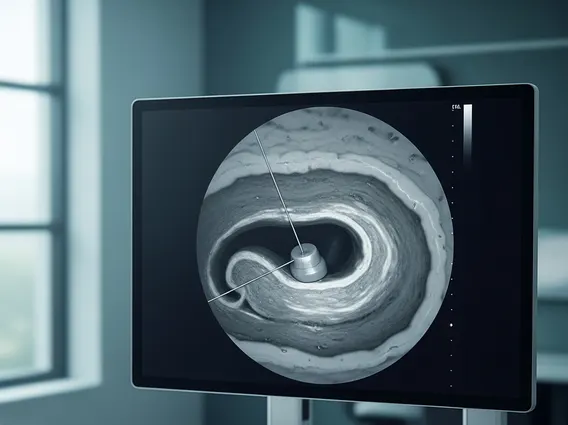
For very superficial tumors that are confined to the innermost lining and have a low risk of lymph node involvement, endoscopic procedures such as endoscopic mucosal resection (EMR) or endoscopic submucosal dissection (ESD) may be performed. These minimally invasive techniques allow for the removal of the tumor through an endoscope, avoiding traditional open surgery.
For other Stage I cases, surgical resection remains the cornerstone of treatment. This involves a partial or total gastrectomy, where part or all of the stomach is removed, along with nearby lymph nodes. The extent of surgery depends on the tumor’s size, location, and depth of invasion. In some instances, adjuvant therapy (such as chemotherapy or chemoradiation) may be considered after surgery, particularly if there are certain risk factors or if lymph nodes are involved, to reduce the risk of recurrence.
The prognosis for Stage I Gastric Cancer is generally favorable compared to later stages. With successful surgical removal and appropriate follow-up care, many patients achieve long-term survival. As previously noted, the 5-year relative survival rate for localized gastric cancer is approximately 75%, underscoring the importance of early diagnosis and comprehensive treatment planning.