Stage I Colorectal Cancer
Stage I Colorectal Cancer represents an early and highly treatable form of cancer affecting the colon or rectum. Understanding this stage is crucial for effective management and achieving favorable outcomes.
Key Takeaways
- Stage I Colorectal Cancer is an early-stage malignancy confined to the inner layers of the colon or rectum wall.
- Symptoms are often subtle or absent, making regular screening vital for early detection.
- Diagnosis typically involves colonoscopy and biopsy, followed by imaging to confirm the stage.
- Treatment primarily consists of surgical removal of the cancerous tissue, often leading to excellent prognosis.
- The five-year survival rate for Stage I Colorectal Cancer is generally very high, emphasizing the importance of early intervention.
What is Stage I Colorectal Cancer?
Stage I Colorectal Cancer refers to cancer that has grown through the innermost layer of the colon or rectum wall and into the submucosa, or it may have grown into the muscle layer (muscularis propria) but has not spread to nearby lymph nodes or distant sites. This early stage signifies that the cancer is localized and has not penetrated the outer layers of the bowel wall or spread beyond the primary tumor site.
At this stage, the cancer cells are contained within the bowel wall, making it highly amenable to curative treatment. The absence of spread to lymph nodes or other organs is a defining characteristic of Stage I, distinguishing it from more advanced stages where the cancer has metastasized. Early detection at this stage significantly improves the chances of a complete recovery.
Symptoms and Diagnosis of Stage I Colorectal Cancer
One of the challenges with Stage I Colorectal Cancer is that it often presents with no noticeable symptoms, or the symptoms can be vague and easily mistaken for other, less serious conditions. This lack of clear indicators underscores the importance of routine screening, especially for individuals at average or increased risk.
When present, stage 1 colorectal cancer symptoms may include:
- Changes in bowel habits, such as diarrhea or constipation, lasting for more than a few days.
- Rectal bleeding or blood in the stool, which may appear bright red or dark.
- Persistent abdominal discomfort, including cramps, gas, or pain.
- A feeling that your bowel doesn’t empty completely.
- Unexplained weight loss.
- Fatigue or weakness, often due to iron-deficiency anemia from blood loss.
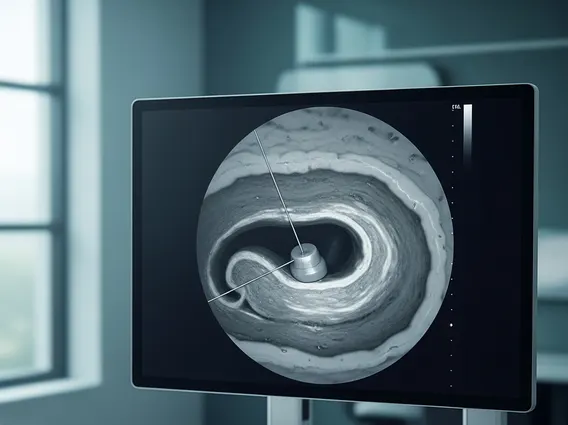
Diagnosis typically begins with a colonoscopy, which allows a gastroenterologist to visualize the entire colon and rectum and take biopsies of any suspicious areas. If cancer is confirmed, further imaging tests, such as CT scans of the chest, abdomen, and pelvis, may be performed to ensure the cancer has not spread, thus confirming the Stage I classification. Early and accurate diagnosis is critical for determining the most effective treatment path.
Treatment and Prognosis for Stage I Colorectal Cancer
The primary stage 1 colorectal cancer treatment is surgical removal of the cancerous section of the colon or rectum, along with a margin of healthy tissue and nearby lymph nodes, even though lymph node involvement is not expected at this stage. This procedure is known as a colectomy for colon cancer or a proctectomy for rectal cancer, and it is often curative for Stage I disease. The goal of surgery is to remove all cancerous tissue to prevent recurrence.
Unlike more advanced stages, chemotherapy or radiation therapy are generally not required for Stage I Colorectal Cancer, as the cancer is localized and completely removed by surgery. Patients typically undergo regular follow-up surveillance, including colonoscopies and blood tests, to monitor for recurrence and ensure long-term health. This follow-up is crucial even after successful treatment.
The stage 1 colorectal cancer prognosis is excellent, with very high survival rates. According to the American Cancer Society, the five-year relative survival rate for localized colorectal cancer (which includes Stage I) is approximately 91% (American Cancer Society, “Survival Rates for Colorectal Cancer,” 2023). This high survival rate highlights the critical role of early detection through screening programs and prompt treatment in achieving successful outcomes for individuals diagnosed with Stage I Colorectal Cancer, offering a strong outlook for recovery.