Stage 0 Pancreatic Carcinoma In Situ
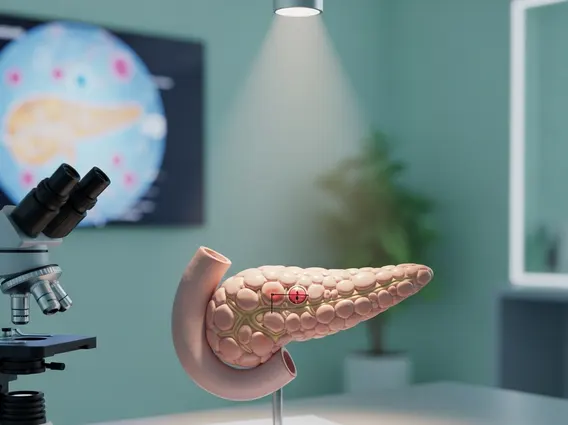
Stage 0 Pancreatic Carcinoma In Situ represents the earliest and most localized form of pancreatic cancer, where abnormal cells are confined to the innermost layer of the pancreatic duct and have not yet invaded deeper tissues.
Key Takeaways
- Stage 0 Pancreatic Carcinoma In Situ is the earliest, non-invasive form of pancreatic cancer.
- It is characterized by abnormal cells confined to the pancreatic duct lining, without spreading.
- Symptoms are typically absent, making early detection challenging and often incidental.
- Diagnosis usually involves advanced imaging and biopsy, often performed for other conditions.
- Surgical removal is the primary and often curative treatment for this stage.
What is Stage 0 Pancreatic Carcinoma In Situ?
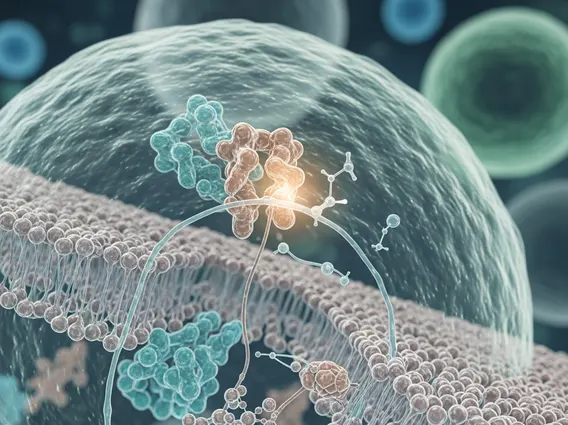
Stage 0 Pancreatic Carcinoma In Situ refers to a condition where abnormal, cancerous cells are found exclusively within the lining of the pancreatic ducts and have not spread into the deeper layers of the pancreas or to other parts of the body. This is considered the earliest possible stage of pancreatic cancer, often described as non-invasive or pre-invasive cancer. Understanding stage 0 pancreatic carcinoma in situ explained is crucial because it signifies a unique opportunity for curative intervention before the disease progresses.
Unlike more advanced stages, Stage 0 pancreatic carcinoma does not involve invasion of surrounding tissues, blood vessels, or lymph nodes. This confinement makes it distinct and offers a significantly better prognosis if detected and treated appropriately. While relatively rare, its identification is critical for preventing the development of invasive pancreatic cancer, which is notoriously aggressive and difficult to treat in later stages. According to major health organizations, early detection of any cancer stage dramatically improves treatment outcomes and survival rates.
Recognizing and Diagnosing Stage 0 Pancreatic Carcinoma
Recognizing Stage 0 Pancreatic Carcinoma In Situ is exceptionally challenging because the condition typically presents with no discernible symptoms. The absence of noticeable symptoms of stage 0 pancreatic cancer means that it is rarely detected based on patient complaints. Instead, it is often discovered incidentally during diagnostic procedures performed for other unrelated medical conditions or during screenings for individuals at very high risk due to genetic predispositions or chronic pancreatitis.
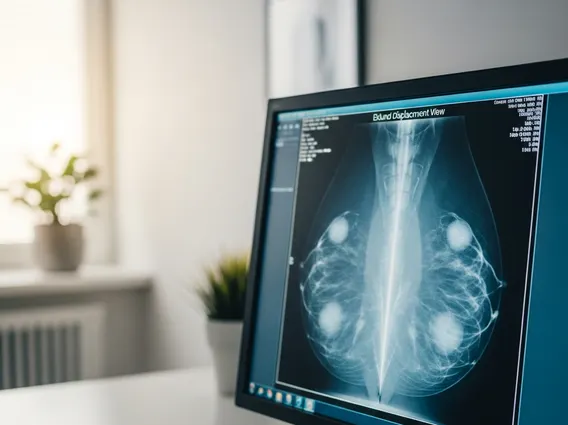
When it comes to diagnosing stage 0 pancreatic carcinoma, a combination of advanced imaging techniques and tissue analysis is essential. Since there are no specific symptoms, diagnostic efforts usually begin with imaging studies if a pancreatic abnormality is suspected. These methods aim to visualize the pancreas and identify any suspicious lesions. Definitive diagnosis, however, always requires a biopsy.
Diagnostic tools commonly used include:
- Computed Tomography (CT) Scan: Provides detailed cross-sectional images of the pancreas.
- Magnetic Resonance Imaging (MRI) and Magnetic Resonance Cholangiopancreatography (MRCP): Offers high-resolution images, particularly useful for visualizing ducts.
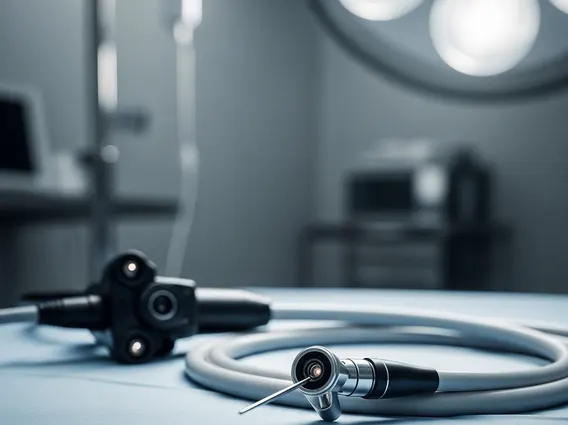
- Endoscopic Ultrasound (EUS): An endoscope with an ultrasound probe is passed into the digestive tract to obtain detailed images and guide biopsies of the pancreas.
- Biopsy: A small tissue sample is taken, usually during EUS, and examined under a microscope by a pathologist to confirm the presence of carcinoma in situ.
The incidental nature of diagnosis underscores the importance of thorough investigation when any pancreatic abnormality is identified, even in the absence of classic cancer symptoms.
Treatment Options for Stage 0 Pancreatic Carcinoma In Situ
The primary goal of treatment for stage 0 pancreatic cancer is to completely remove the cancerous cells before they have the opportunity to invade and spread. Given the non-invasive nature of Stage 0 Pancreatic Carcinoma In Situ, surgical resection is typically the most effective and often curative treatment option. The specific surgical procedure depends on the location of the carcinoma within the pancreas.
Common surgical approaches include:
- Whipple Procedure (Pancreaticoduodenectomy): If the carcinoma is in the head of the pancreas, this extensive surgery removes the head of the pancreas, part of the small intestine, the gallbladder, and the bile duct.
- Distal Pancreatectomy: If the carcinoma is in the body or tail of the pancreas, this procedure removes the affected portion of the pancreas, often along with the spleen.
- Total Pancreatectomy: In rare cases, or if the carcinoma is multifocal, the entire pancreas may need to be removed.
Because the cancer is confined to the duct lining at Stage 0, chemotherapy or radiation therapy are generally not required after successful surgical removal. However, patients will undergo regular follow-up surveillance, including imaging and blood tests, to monitor for any recurrence or new lesions. The prognosis for individuals with Stage 0 Pancreatic Carcinoma In Situ who undergo complete surgical resection is significantly better than for those diagnosed at later, invasive stages, highlighting the critical importance of early detection and intervention.