St Johns Wort
St Johns Wort is a popular herbal supplement derived from the plant Hypericum perforatum, traditionally used for various health concerns. While often sought for its potential mood-enhancing properties, understanding its uses, benefits, and risks is crucial for safe and informed consumption.
Key Takeaways
- St Johns Wort is an herbal supplement primarily known for its traditional use in supporting mood, particularly for symptoms of mild to moderate depression.
- Its effectiveness for depression is a subject of ongoing research, with some studies suggesting benefits for mild cases, but it is not recommended for severe depression.
- Potential side effects include increased sensitivity to sunlight, digestive upset, and fatigue.
- St Johns Wort can interact significantly with numerous medications, including antidepressants, oral contraceptives, blood thinners, and immunosuppressants.
- Always consult a healthcare professional before taking St Johns Wort, especially if you are on other medications or have underlying health conditions.
What is St Johns Wort?
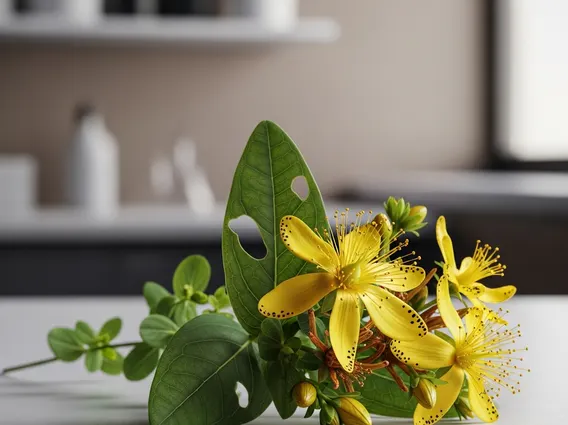
St Johns Wort refers to the flowering plant Hypericum perforatum, a perennial herb native to Europe and Asia that has been used for centuries in traditional medicine. It is characterized by its yellow flowers, which release a reddish oil when crushed, containing active compounds like hypericin and hyperforin. These compounds are believed to be responsible for the plant’s medicinal properties. Unlike pharmaceutical drugs, St Johns Wort is classified as a dietary or herbal supplement in many countries, including the United States, meaning it is not subject to the same rigorous testing and approval processes by regulatory bodies like the U.S. Food and Drug Administration (FDA) before being marketed.
The plant grows widely and has been historically utilized for a range of ailments, from wound healing to nerve pain. Today, however, its primary association is with mental well-being. Its mechanism of action is thought to involve influencing neurotransmitters in the brain, similar to how some conventional antidepressants work, though its effects are generally considered milder and less predictable.
St Johns Wort Uses, Benefits, and Risks
The primary area where what is st johns wort used for is in supporting mood and alleviating symptoms of mild to moderate depression. Some research suggests that St Johns Wort may be effective for these conditions, with efficacy comparable to some conventional antidepressants for mild cases, and potentially fewer side effects. However, it is generally not recommended for severe depression, where professional medical intervention is essential. Beyond mood support, some proponents of st johns wort natural remedy information also suggest its use for anxiety, sleep disorders, and even certain skin conditions, though scientific evidence for these applications is less robust.
When considering st johns wort benefits and risks, it’s important to weigh the potential for mood improvement against significant safety concerns. While some individuals report benefits, others experience no effect, or even adverse reactions. The risks are particularly pronounced due to its potential to interact with a wide array of prescription medications, which can lead to serious health complications. For example, combining St Johns Wort with certain antidepressants can lead to a dangerous condition known as serotonin syndrome. Therefore, it is crucial to approach its use with caution and under medical guidance.
St Johns Wort Side Effects and Interactions
When considering st johns wort side effects explained, it’s important to be aware of both common and more serious adverse reactions. Common side effects can include increased sensitivity to sunlight (photosensitivity), which can lead to severe sunburns, as well as gastrointestinal issues like nausea, stomach upset, and diarrhea. Other reported side effects include fatigue, restlessness, dizziness, headache, and dry mouth. These side effects are generally mild but can be bothersome for some individuals.
More concerning are the numerous and potentially severe drug interactions associated with St Johns Wort. It can significantly affect the metabolism of many medications by inducing liver enzymes, leading to reduced effectiveness or increased toxicity of other drugs. Key interactions include:
- Antidepressants: Can lead to serotonin syndrome when combined with selective serotonin reuptake inhibitors (SSRIs) or other antidepressants, causing symptoms like confusion, rapid heart rate, high blood pressure, and muscle rigidity.
- Oral Contraceptives: Can reduce the effectiveness of birth control pills, leading to unplanned pregnancies.
- Blood Thinners: May decrease the effectiveness of anticoagulants like warfarin, increasing the risk of blood clots.
- Immunosuppressants: Can reduce the levels of drugs like cyclosporine, potentially leading to organ transplant rejection.
- Digoxin: May decrease the effectiveness of this heart medication.
- HIV/AIDS Medications: Can reduce the efficacy of certain antiretroviral drugs.
Due to these extensive interactions, it is imperative to consult a healthcare provider before starting St Johns Wort, especially if you are taking any prescription medications or have underlying health conditions. Discontinuing St Johns Wort should also be done under medical supervision, as sudden cessation can sometimes lead to withdrawal-like symptoms.
Disclaimer: The information provided in this article is for educational purposes only and does not constitute medical advice. Herbal supplements, including St Johns Wort, are not regulated by the FDA in the same way as prescription drugs. Always consult with a qualified healthcare professional before starting any new supplement, especially if you have a medical condition or are taking other medications. This information is not intended to replace professional medical treatment.