Squamocolumnar Junction
The squamocolumnar junction is a vital anatomical landmark, particularly significant in gynecological health. Its precise location and cellular dynamics play a crucial role in understanding various physiological processes and pathological conditions.
Key Takeaways
- The squamocolumnar junction (SCJ) is the meeting point of two distinct types of epithelial cells.
- Its position is dynamic, shifting throughout a person’s life due to hormonal and physiological changes.
- The SCJ is the primary site where most cervical cancers originate, making it critical for screening.
- Regular monitoring of the SCJ is essential for early detection and prevention of cervical abnormalities.
What is the Squamocolumnar Junction?
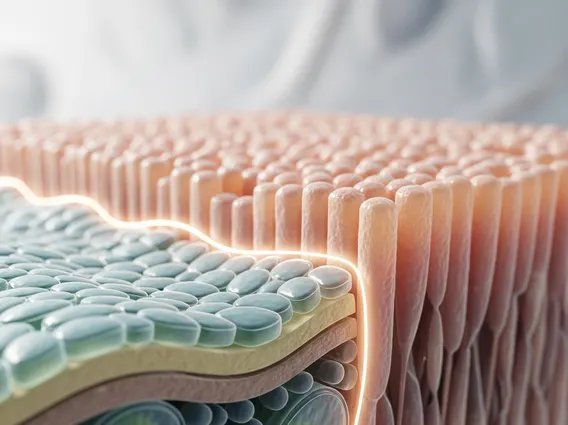
The Squamocolumnar Junction (SCJ) refers to the anatomical boundary where two different types of epithelial cells meet. Specifically, it marks the transition from the stratified squamous epithelium, which lines the ectocervix (the outer part of the cervix visible during a pelvic exam) and vagina, to the columnar glandular epithelium, which lines the endocervix (the cervical canal). This junction is not static; its position can change over time, influenced by factors such as age, hormonal status, and parity.
Understanding the squamocolumnar junction location and anatomy is fundamental in gynecology. In younger individuals, the SCJ is typically located on the ectocervix, making the columnar epithelium visible externally. As a person ages or experiences hormonal shifts (e.g., during puberty, pregnancy, or menopause), the SCJ tends to recede into the endocervical canal. This dynamic area, where the original SCJ and the new, physiologically shifting SCJ meet, is known as the transformation zone, a region of significant clinical importance due to its cellular activity and vulnerability.
Function and Clinical Significance of the Squamocolumnar Junction
The primary squamocolumnar junction function is to serve as a transition zone between two different epithelial environments. While both types of epithelium have protective roles, the columnar epithelium of the endocervix is responsible for mucus production, whereas the squamous epithelium provides a robust, multi-layered barrier. The dynamic nature of the SCJ, particularly the process of squamous metaplasia within the transformation zone, is a normal physiological response to the changing environment, where columnar cells are replaced by more resilient squamous cells.
The clinical significance of squamocolumnar junction is profound, primarily because it is the most common site for the development of cervical precancerous lesions and cervical cancer. This susceptibility is due to several factors:
- Cellular Metaplasia: The active cellular changes occurring in the transformation zone make these cells more vulnerable to external insults, particularly infection by high-risk human papillomavirus (HPV).
- HPV Susceptibility: The immature metaplastic cells at the SCJ are highly susceptible to HPV infection, which is the primary cause of cervical cancer.
- Screening Target: During cervical cancer screening (e.g., Pap tests and HPV tests), samples are specifically collected from the SCJ and transformation zone to detect abnormal cells or the presence of high-risk HPV, as recommended by organizations like the World Health Organization (WHO) and the Centers for Disease Control and Prevention (CDC).
- Colposcopy: In cases of abnormal screening results, colposcopy is performed to visualize the SCJ and transformation zone under magnification, allowing for targeted biopsies of suspicious areas.
Regular gynecological examinations and adherence to screening guidelines are crucial for monitoring the health of the squamocolumnar junction and detecting any cellular abnormalities early, thereby improving outcomes for cervical cancer prevention and treatment.