Spleen
The spleen is a vital organ located in the upper left abdomen, playing a crucial role in the body’s immune system and blood filtration processes. Understanding its functions and potential issues is essential for overall health.
Key Takeaways
- The Spleen is an organ situated under the rib cage on the left side, primarily involved in filtering blood.
- Its main roles include removing old red blood cells, storing blood components, and supporting immune responses.
- The spleen acts as a critical part of the immune system, helping to fight off infections.
- Common issues range from enlargement (splenomegaly) to rupture, often requiring medical attention.
- While essential, the body can adapt to life without a spleen, though it increases susceptibility to certain infections.
What is the Spleen and Where is it Located?
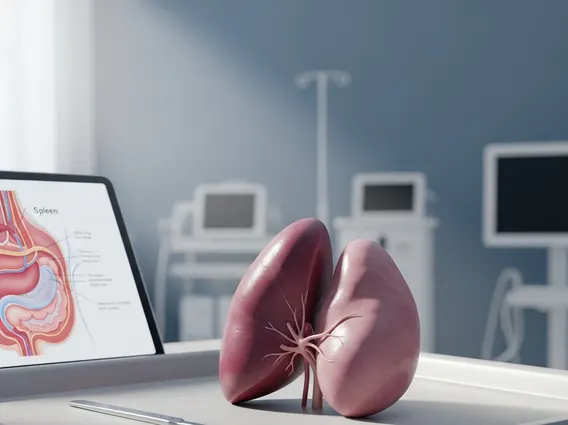
The Spleen is a soft, spongy, and purplish organ, typically about the size of a fist in adults. It is situated in the upper left quadrant of the abdomen, nestled beneath the diaphragm and behind the stomach, protected by the rib cage. This strategic placement allows it to be well-connected to the circulatory system, facilitating its primary roles in blood management and immunity. Its exact position can vary slightly among individuals, but it consistently resides within this protected area, making it less susceptible to external injury under normal circumstances.
Anatomically, the spleen is part of the lymphatic system, although it also has significant functions related to blood circulation. It is composed of two main types of tissue: red pulp and white pulp. The red pulp is responsible for filtering blood and removing old or damaged red blood cells, while the white pulp is involved in immune responses, producing antibodies and storing lymphocytes.
Spleen Function and Purpose
The spleen function is multifaceted, making it indispensable for maintaining health. One of its primary roles is to act as a filter for the blood, removing old, damaged, or abnormal red blood cells. This process helps to keep the blood clean and efficient, ensuring that only healthy cells circulate throughout the body. Additionally, the spleen plays a significant part in the immune system, producing lymphocytes (a type of white blood cell) and antibodies that help fight off infections and diseases. It also stores a reserve of blood, including red blood cells and platelets, which can be released into the bloodstream in response to trauma or significant blood loss.
The spleen purpose extends to detecting and responding to pathogens. When bacteria, viruses, or other foreign invaders enter the bloodstream, the white pulp of the spleen identifies them and initiates an immune response. This includes the production of specific antibodies and the activation of immune cells to neutralize the threat. For instance, the spleen is particularly important in defending against encapsulated bacteria, such as Streptococcus pneumoniae and Haemophilus influenzae. Its ability to filter and store blood also means it can help regulate blood volume and pressure, contributing to overall cardiovascular stability.
Common Spleen Problems
While the spleen is a robust organ, it can be susceptible to various conditions that impair its function or lead to serious health issues. Understanding these spleen problems is crucial for timely diagnosis and treatment. Many conditions can affect the spleen, ranging from infections to blood disorders and injuries. Symptoms of spleen problems often include pain or tenderness in the upper left abdomen, fatigue, easy bleeding, or signs of infection.
Some of the common problems affecting the spleen include:
- Enlarged Spleen (Splenomegaly): This is one of the most frequent spleen problems, often caused by infections (like mononucleosis), liver diseases (such as cirrhosis), certain cancers (like leukemia or lymphoma), or blood disorders. An enlarged spleen can become overactive, removing too many blood cells and platelets, leading to anemia, low platelet counts, and increased risk of infection.
- Ruptured Spleen: A ruptured spleen is a medical emergency, typically resulting from a severe blow to the abdomen during sports injuries, car accidents, or other trauma. It can lead to life-threatening internal bleeding. Symptoms include severe pain in the upper left abdomen, lightheadedness, and signs of shock.
- Sickle Cell Disease Complications: Individuals with sickle cell disease often experience spleen-related issues. The abnormal sickle-shaped red blood cells can clog blood vessels in the spleen, leading to damage, scarring, and eventually a shrunken, non-functional spleen (autosplenectomy), increasing the risk of severe infections.
- Asplenia (Absence or Removal of Spleen): Asplenia refers to the absence of a spleen, either from birth (congenital asplenia) or due to surgical removal (splenectomy) often necessary after a rupture or for certain blood disorders. People without a spleen are at a significantly higher risk of developing severe infections, particularly from encapsulated bacteria, and require lifelong vaccinations and sometimes prophylactic antibiotics.