Spinal Canal
The spinal canal is a critical anatomical structure within the human body, serving as a protective conduit for the spinal cord. Understanding its structure and function is essential for comprehending overall neurological health.
Key Takeaways
- The Spinal Canal is a bony channel protecting the spinal cord and nerves.
- It extends from the base of the skull to the lower back, formed by the vertebrae.
- Its primary function is to safeguard the central nervous system components from injury.
- Conditions like stenosis, herniated discs, and tumors can affect the spinal canal, leading to pain and neurological issues.
- Maintaining spinal health is crucial for mobility and overall well-being.
What is the Spinal Canal?
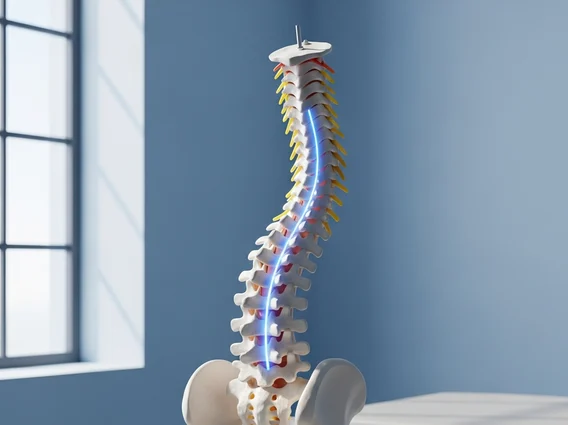
The Spinal Canal is a hollow, bony channel that runs through the center of the vertebral column, extending from the base of the skull to the sacrum. Its primary role, often referred to as the purpose of the spinal canal, is to encase and protect the delicate spinal cord, nerve roots, and the cerebrospinal fluid that surrounds them. This vital protective function shields these critical neurological structures from external trauma and injury, ensuring the uninterrupted transmission of signals between the brain and the rest of the body. Without the robust protection offered by the spinal canal, the spinal cord would be highly vulnerable, leading to severe neurological deficits.
Spinal Canal Anatomy and Its Vital Function
The spinal canal anatomy and function are intricately linked, forming a robust protective system. Anatomically, the spinal canal is formed by the stacked vertebral bodies and their posterior arches, specifically the pedicles and laminae, which create a continuous tunnel. This canal is divided into cervical, thoracic, and lumbar regions, corresponding to the different sections of the spine. Within this canal, the spinal cord, a major part of the central nervous system, descends from the brainstem. Below the first or second lumbar vertebra, the spinal cord tapers into the conus medullaris, from which a bundle of spinal nerves, known as the cauda equina, continues downwards.
The vital function of the spinal canal is multifaceted:
- Protection: It acts as a strong, bony shield, safeguarding the spinal cord and nerve roots from physical impact, compression, and other forms of injury.
- Support: It provides a stable environment for the spinal cord, allowing it to transmit electrical signals efficiently between the brain and the body’s periphery.
- Fluid Circulation: It contains cerebrospinal fluid (CSF), which bathes the spinal cord, providing nutrients, removing waste products, and offering additional cushioning.
Common Conditions Affecting the Spinal Canal
A range of conditions can impact the spinal canal, leading to pain, numbness, weakness, and other neurological symptoms. Understanding these spinal canal conditions explained helps in early diagnosis and management. One of the most prevalent conditions is spinal stenosis, which involves the narrowing of the spinal canal, often due to age-related degeneration, bone spurs, or thickened ligaments. This narrowing can compress the spinal cord or nerve roots, causing symptoms like leg pain (sciatica), numbness, or difficulty walking. According to the American Academy of Orthopaedic Surgeons, lumbar spinal stenosis affects an estimated 250,000 to 500,000 people in the United States, with prevalence increasing with age.
Other common conditions include:
- Herniated Discs: When the soft inner material of an intervertebral disc protrudes through its outer layer, it can press on the spinal cord or nerve roots within the canal.
- Spinal Tumors: Both benign and malignant growths can develop within or near the spinal canal, occupying space and compressing neural structures.
- Spinal Trauma: Fractures or dislocations of the vertebrae can directly injure the spinal cord or narrow the canal, leading to severe neurological deficits.
- Spondylolisthesis: This condition involves one vertebra slipping forward over another, potentially reducing the space within the spinal canal.
These conditions often manifest with symptoms such as localized back or neck pain, radiating pain into the limbs, muscle weakness, tingling sensations, or even bowel and bladder dysfunction in severe cases. Early medical evaluation is crucial for accurate diagnosis and appropriate treatment, which can range from conservative therapies like physical therapy and medication to surgical interventions.