
Spastic Colon
Spastic Colon is a common term often used to describe a functional gastrointestinal disorder characterized by irregular and painful contractions of the large intestine. It primarily affects the digestive system, leading to a range of uncomfortable symptoms that can significantly impact daily life.
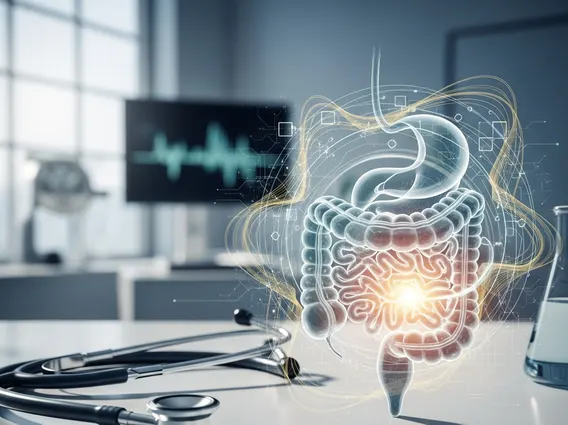
Key Takeaways
- Spastic Colon is largely synonymous with Irritable Bowel Syndrome (IBS), a chronic functional GI disorder.
- It involves abnormal muscle contractions in the large intestine, leading to symptoms like abdominal pain and altered bowel habits.
- Key symptoms include cramping, bloating, gas, and episodes of diarrhea or constipation.
- Causes are multifactorial, encompassing gut-brain axis dysfunction, dietary triggers, and stress.
- Treatment focuses on managing symptoms through dietary adjustments, lifestyle changes, and sometimes medication.
What is Spastic Colon?
Spastic Colon is a descriptive term frequently used interchangeably with Irritable Bowel Syndrome (IBS), a chronic functional gastrointestinal disorder. It is not a disease in the traditional sense, as it doesn’t cause structural damage to the colon, but rather a disorder of gut-brain interaction. This condition is characterized by abnormal muscle contractions in the large intestine, leading to various digestive disturbances. The term “spastic” refers to these irregular and often painful contractions, which can disrupt the normal movement of food and waste through the digestive tract.
Understanding Spastic Colon Symptoms and Causes
Understanding spastic colon symptoms and causes is crucial for effective management. The symptoms can vary widely among individuals but commonly include abdominal pain, cramping, bloating, and changes in bowel habits. These changes may manifest as episodes of diarrhea, constipation, or alternating patterns of both. Other associated symptoms can include excessive gas, mucus in the stool, and a feeling of incomplete bowel evacuation.
The exact causes of Spastic Colon are not fully understood, but it is believed to be multifactorial, involving a complex interplay of factors. These can include:
- Gut-Brain Axis Dysfunction: Abnormal communication between the brain and the gut can lead to hypersensitivity and altered gut motility.
- Dietary Triggers: Certain foods, such as those high in FODMAPs (fermentable oligosaccharides, disaccharides, monosaccharides, and polyols), fatty foods, caffeine, and artificial sweeteners, can exacerbate symptoms.
- Stress and Psychological Factors: Emotional stress, anxiety, and depression are known to influence gut function and can worsen symptoms.
- Gut Microbiome Imbalance: Alterations in the balance of bacteria in the gut may play a role.
- Post-Infectious IBS: Some individuals develop Spastic Colon after a severe gastrointestinal infection.
Treatment Approaches and Dietary Strategies for Spastic Colon
To effectively how to treat spastic colon, a comprehensive approach is often required, focusing on symptom relief and improving quality of life. Treatment typically involves a combination of dietary modifications, lifestyle adjustments, and, in some cases, medication. Lifestyle changes such as regular exercise, adequate sleep, and stress management techniques (e.g., meditation, yoga) can significantly alleviate symptoms by calming the gut-brain axis.
Specific diet for spastic colon relief is a cornerstone of management. Many individuals find relief by identifying and avoiding personal trigger foods. A common dietary approach is the low-FODMAP diet, which involves temporarily restricting certain carbohydrates that are poorly absorbed and can ferment in the gut, leading to gas and bloating. Gradually reintroducing these foods helps identify specific triggers. Increasing soluble fiber intake, found in foods like oats and psyllium, can also help regulate bowel movements. It is important to maintain adequate hydration and avoid excessive caffeine and alcohol, which can irritate the gut.
Medications may be prescribed to address specific symptoms, such as antispasmodics for abdominal pain and cramping, laxatives for constipation, or anti-diarrheal agents. In some cases, antidepressants may be used to help manage pain and improve gut-brain communication. While some individuals explore alternative or complementary therapies like probiotics or peppermint oil, it is important to note that this information is supportive only and does not replace professional medical treatment. Always consult with a healthcare provider before starting any new treatment or making significant dietary changes.



















