
Small Intestine
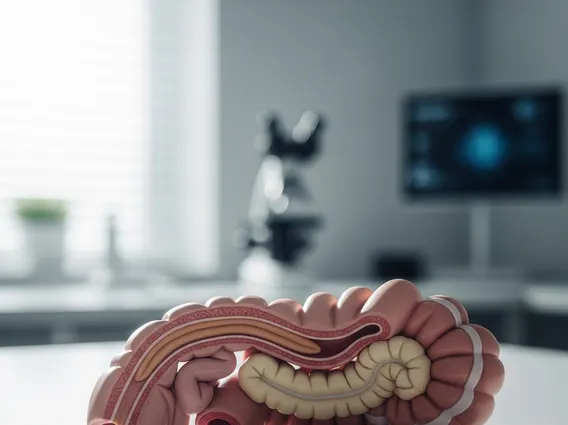
The small intestine is a vital organ in the digestive system, playing a crucial role in breaking down food and absorbing nutrients. This intricate tube-like structure connects the stomach to the large intestine, facilitating the majority of the digestive process.
Key Takeaways
- The Small Intestine is a primary digestive organ, divided into the duodenum, jejunum, and ileum.
- Its main function is the extensive chemical digestion of food and the absorption of nutrients into the bloodstream.
- Specialized structures like villi and microvilli significantly increase its surface area for efficient absorption.
- The digestive process involves enzymes from the pancreas and bile from the liver, along with intestinal enzymes.
- Common issues include inflammatory conditions like Crohn’s disease, malabsorption disorders such as celiac disease, and bacterial imbalances.
What is the Small Intestine and Its Parts?
The Small Intestine is a long, coiled tube that extends from the stomach to the large intestine, measuring approximately 6 to 7 meters (about 20 feet) in length in adults. Despite its name, it is longer than the large intestine but has a smaller diameter. Its primary role is to complete the digestion of food and absorb nutrients into the bloodstream.
This remarkable organ is divided into three distinct segments, each with specific functions:
- Duodenum: The shortest section, about 25-30 cm (10-12 inches) long, which receives partially digested food (chyme) from the stomach. It is here that digestive juices from the pancreas and bile from the liver mix with the chyme to neutralize stomach acid and begin the bulk of chemical digestion.
- Jejunum: The middle section, approximately 2.5 meters (8 feet) long, where most nutrient absorption occurs. Its inner surface is lined with numerous folds, villi, and microvilli, which vastly increase the surface area available for absorption.
- Ileum: The final and longest section, about 3.5 meters (11 feet) long, primarily responsible for absorbing vitamin B12, bile salts, and any remaining nutrients not absorbed by the jejunum. It connects to the large intestine at the ileocecal valve.
Small Intestine Function and Digestive Process
The primary function of the Small Intestine is the thorough digestion of carbohydrates, proteins, and fats, followed by the efficient absorption of the resulting nutrients. This complex process begins as chyme enters the duodenum, where it is mixed with pancreatic enzymes (such as amylase, lipase, and proteases) and bile from the liver. Bile emulsifies fats, breaking them into smaller droplets, making them more accessible to lipase.
The small intestine digestive process continues as the chyme moves through the jejunum and ileum. Enzymes embedded in the intestinal wall, known as brush border enzymes, further break down disaccharides into monosaccharides, and small peptides into amino acids. The vast surface area of the small intestine, estimated to be around 250 square meters (the size of a tennis court) due to its folds, villi, and microvilli, is critical for this absorption. According to the National Institute of Diabetes and Digestive and Kidney Diseases (NIDDK), this extensive surface area allows for the absorption of about 90% of ingested water and nutrients.
Nutrients, including sugars, amino acids, fatty acids, vitamins, and minerals, pass through the intestinal wall into the bloodstream or lymphatic system. For instance, most absorbed nutrients enter capillaries within the villi and are transported to the liver via the hepatic portal vein, while fats are absorbed into lacteals (lymphatic capillaries) before entering the bloodstream.
Common Small Intestine Problems
A range of conditions can affect the health and function of the Small Intestine, leading to various digestive issues. Understanding these common small intestine problems is crucial for timely diagnosis and management. Some prevalent conditions include:
- Crohn’s Disease: A type of inflammatory bowel disease (IBD) that can affect any part of the digestive tract, but most commonly the ileum. It causes chronic inflammation, leading to symptoms such as abdominal pain, severe diarrhea, fatigue, weight loss, and malnutrition.
- Celiac Disease: An autoimmune disorder where the ingestion of gluten leads to damage in the small intestine. This damage impairs nutrient absorption, causing symptoms like diarrhea, bloating, gas, fatigue, and anemia. It is estimated to affect about 1 in 100 people worldwide, according to the Celiac Disease Foundation.
- Small Intestinal Bacterial Overgrowth (SIBO): Characterized by an excessive amount of bacteria in the small intestine, which normally has relatively few. SIBO can cause bloating, gas, diarrhea, and malabsorption, often due to underlying conditions affecting gut motility.
- Small Intestine Obstruction: A blockage that prevents food and liquids from passing through the small intestine. This can be caused by scar tissue from previous surgeries, hernias, tumors, or inflammatory conditions. Symptoms include severe abdominal pain, vomiting, bloating, and inability to pass gas or stool.
These conditions highlight the importance of the Small Intestine’s role in overall health. Early detection and appropriate medical intervention are key to managing these challenges and maintaining digestive well-being.



















