
Skin Vesicle
A skin vesicle is a small, fluid-filled sac that can appear on the skin, often a sign of an underlying skin condition or reaction. Understanding their nature is crucial for proper identification and care.
Key Takeaways
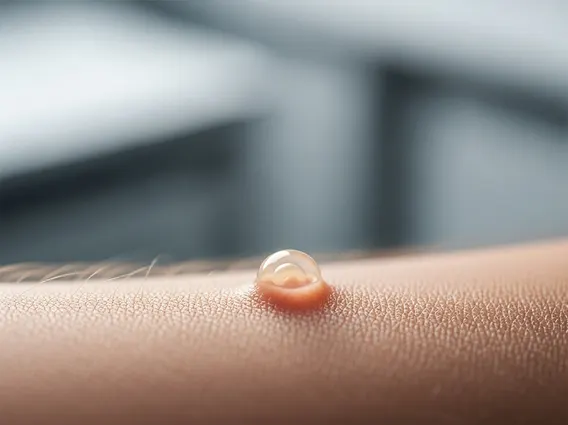
- A Skin Vesicle is a small, elevated, fluid-filled lesion on the skin, commonly known as a blister.
- They can arise from various causes, including infections, allergic reactions, autoimmune disorders, and physical trauma.
- Symptoms often include itching, pain, redness, and swelling, depending on the underlying cause.
- Treatment focuses on addressing the root cause, managing symptoms, and preventing secondary infections.
- Consulting a healthcare professional is recommended for accurate diagnosis and appropriate management.
What is a Skin Vesicle?
A Skin Vesicle refers to a small, elevated lesion on the skin that contains clear, serous fluid. These lesions are typically less than 0.5 centimeters (approximately 0.2 inches) in diameter and are commonly known as blisters. They form when fluid accumulates between the layers of the skin, often in response to injury, inflammation, or infection.
Vesicles can appear individually or in clusters and may be accompanied by other skin changes such as redness, swelling, or itching. While often benign, they can sometimes indicate more serious underlying conditions, necessitating medical evaluation. Understanding the characteristics of these lesions, including the various types of skin blisters and vesicles, is important for differentiating between common irritations and conditions requiring specific medical intervention.
Common Causes of Skin Vesicles
Skin vesicles can be triggered by a wide array of factors, ranging from common infections to more complex autoimmune responses. Identifying the underlying cause is essential for effective treatment and preventing recurrence. Some of the most frequent causes include:
- Infections: Viral infections are a very common cause. For instance, herpes simplex virus can cause cold sores, and varicella-zoster virus is responsible for chickenpox and shingles. Bacterial infections, such as impetigo, can also lead to vesicles that may rupture and crust over.
- Allergic Reactions: Contact dermatitis, an allergic reaction to substances like poison ivy, nickel, or certain cosmetics, frequently manifests as itchy vesicles at the site of contact.
- Autoimmune Conditions: Diseases like bullous pemphigoid or pemphigus vulgaris involve the immune system mistakenly attacking healthy skin cells, leading to the formation of vesicles and larger blisters.
- Physical Trauma: Burns (especially second-degree burns) and friction (e.g., from ill-fitting shoes) can cause vesicles as the body’s protective response to tissue damage.
- Insect Bites: Reactions to bites from certain insects can sometimes result in localized vesiculation.
The specific appearance and distribution of vesicles, along with accompanying symptoms, often provide clues to their origin, guiding healthcare professionals toward an accurate diagnosis.
Skin Vesicle Symptoms and Treatment Options
The symptoms associated with skin vesicles can vary significantly depending on their cause, but common manifestations often include localized discomfort and visible skin changes. Patients may experience itching, burning, or pain in the affected area. The skin surrounding the vesicle might appear red, swollen, or inflamed. In some cases, vesicles may rupture, leading to weeping sores that can crust over, increasing the risk of secondary bacterial infection.
Treatment for skin vesicles is primarily directed at addressing the underlying cause and alleviating symptoms. For viral infections, antiviral medications may be prescribed. Allergic reactions are often managed with topical corticosteroids to reduce inflammation and antihistamines to control itching. In cases of bacterial infection, antibiotics are necessary. For vesicles caused by physical trauma, protecting the area, keeping it clean, and allowing it to heal naturally is often sufficient. It is crucial to avoid picking or popping vesicles, as this can delay healing and introduce infection.
For persistent, widespread, or painful vesicles, or if there are signs of infection such as pus, fever, or increasing redness, consulting a healthcare professional is highly recommended. A doctor can accurately diagnose the cause and recommend the most appropriate skin vesicle symptoms and treatment plan, which may include prescription medications or specific wound care instructions.



















