
Sinus
The term Sinus refers to air-filled cavities located within the bones of the skull and face, playing a crucial role in respiratory health. Understanding their structure and function is key to recognizing and addressing common conditions that affect them.
Key Takeaways
- Sinuses are air-filled spaces in the skull that help lighten the head, resonate the voice, and filter inhaled air.
- Common sinus infection symptoms include facial pain, pressure, nasal congestion, and discharge.
- Causes of sinus pain often stem from viral infections, allergies, or bacterial overgrowth.
- Relief for sinus pressure can be found through home remedies like steam inhalation and hydration, as well as over-the-counter medications.
- Persistent or severe symptoms warrant a consultation with a healthcare professional for proper diagnosis and treatment.
Understanding the Sinuses: Anatomy and Function
What are sinuses?
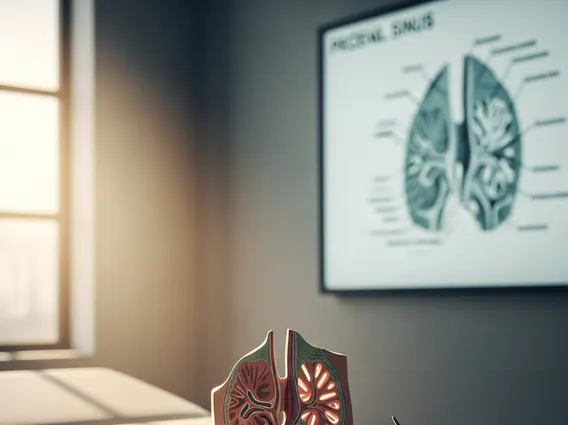
Sinuses are hollow, air-filled spaces located within the bones of the face and skull, connected to the nasal cavity. Humans typically have four pairs of paranasal sinuses: the frontal sinuses (in the forehead), maxillary sinuses (behind the cheekbones), ethmoid sinuses (between the eyes), and sphenoid sinuses (deep behind the nose). These cavities are lined with a mucous membrane that produces mucus, which helps to trap dust, pollutants, and microorganisms from the air we breathe.
The primary functions of these anatomical structures include reducing the weight of the skull, contributing to voice resonance, insulating the brain, and humidifying and warming inhaled air before it reaches the lungs. The mucus produced within the sinuses is continuously swept by tiny hair-like structures called cilia towards the nasal cavity, where it is either swallowed or expelled.
Sinus Infection: Symptoms and Causes
A sinus infection, medically known as sinusitis, occurs when the sinus cavities become inflamed and swollen. This inflammation can block the normal drainage of mucus, leading to a buildup that creates a favorable environment for pathogens to grow. Recognizing Sinus infection symptoms is crucial for timely management.
Common symptoms often include:
- Facial pain or pressure, particularly around the eyes, forehead, and cheeks
- Nasal congestion or stuffiness
- Thick, discolored nasal discharge
- Postnasal drip, often leading to a sore throat or cough
- Reduced sense of smell or taste
- Headache, especially in the morning
- Fever and fatigue in some cases
The Causes of sinus pain are varied, but most commonly involve infections or allergic reactions. Viral infections, such as the common cold, are the most frequent culprits, often leading to acute sinusitis. Bacterial infections can sometimes follow a viral infection, especially if symptoms persist or worsen after 7-10 days. Allergies, such as hay fever, can also cause inflammation and swelling of the sinus lining, leading to chronic sinus issues. Other factors like nasal polyps, deviated septums, or a weakened immune system can also contribute to recurrent or persistent sinus problems. According to the Centers for Disease Control and Prevention (CDC), acute sinusitis affects millions of adults in the United States annually, with viral infections being the most common cause.
How to Relieve Sinus Pressure
Alleviating discomfort associated with sinus pressure often involves a combination of home remedies and over-the-counter (OTC) treatments. The goal is to reduce inflammation, promote mucus drainage, and ease pain. For mild to moderate symptoms, several strategies can provide relief.
Effective methods to relieve sinus pressure include:
| Method | Description |
|---|---|
| Steam Inhalation | Inhaling warm, moist air from a shower or humidifier helps to thin mucus and soothe inflamed nasal passages. |
| Nasal Saline Rinses | Using a neti pot or saline spray can flush out irritants and excess mucus, improving drainage. |
| Hydration | Drinking plenty of fluids helps to keep mucus thin and flowing, preventing congestion. |
| Warm Compresses | Applying a warm, moist cloth to the face can help reduce facial pain and pressure. |
| Pain Relievers | Over-the-counter medications like ibuprofen or acetaminophen can help manage pain and fever. |
| Decongestants | Oral or nasal spray decongestants can reduce swelling in the nasal passages, but should be used sparingly (no more than 3 days for sprays) to avoid rebound congestion. |
While these methods can offer significant relief, it is important to consult a healthcare professional if symptoms persist for more than 10 days, worsen, or are accompanied by a high fever, severe headache, or vision changes. These could indicate a more serious infection requiring prescription medication, such as antibiotics, or further medical evaluation. The information provided here is for supportive purposes only and does not replace professional medical advice or treatment.



















