
Simple Mastectomy
Simple Mastectomy is a surgical procedure commonly performed to treat breast cancer or as a preventive measure. This article provides a comprehensive overview of the procedure, its differences from other mastectomy types, and essential information regarding recovery and aftercare.
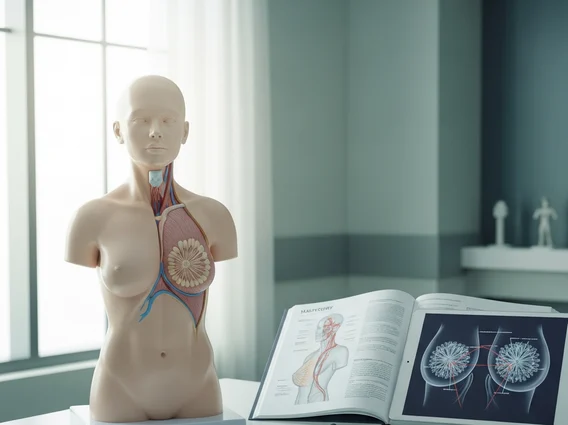
Key Takeaways
- Simple Mastectomy involves the removal of the entire breast tissue, including the skin, nipple, and areola, but typically spares the lymph nodes and underlying chest muscles.
- The primary purpose of the surgery is to treat early-stage breast cancer or significantly reduce cancer risk in high-risk individuals.
- It differs from a radical mastectomy by preserving the pectoralis muscles and axillary lymph nodes, leading to less extensive surgery and potentially fewer complications.
- Recovery involves managing pain, drainage tubes, and limited arm mobility, with a focus on physical therapy and emotional support.
- Aftercare is crucial for monitoring healing, addressing potential complications, and ensuring long-term well-being.
What is Simple Mastectomy: Procedure and Purpose
Simple Mastectomy refers to a surgical procedure that involves the removal of the entire breast, including the skin, nipple, areola, and most of the underlying breast tissue. Unlike more extensive procedures, it typically spares the lymph nodes in the armpit (axillary lymph nodes) and the chest wall muscles beneath the breast. The main purpose of this surgery is to treat non-invasive breast cancer (such as ductal carcinoma in situ, DCIS), early-stage invasive breast cancer, or to prevent breast cancer in individuals at very high risk, such as those with certain genetic mutations (e.g., BRCA1 or BRCA2).
Understanding simple mastectomy surgery is crucial for patients considering this option. The procedure is performed under general anesthesia. The surgeon makes an incision around the breast to remove all glandular tissue. In some cases, a skin-sparing or nipple-sparing approach may be possible, preserving more of the natural breast envelope for immediate or delayed reconstruction. Drains are often placed to collect fluid that accumulates after surgery, which are typically removed a few days to weeks later. According to the World Health Organization (WHO), breast cancer is the most common cancer among women globally, underscoring the importance of effective treatments like mastectomy.
Simple Mastectomy vs. Radical Mastectomy: Key Differences
The distinction between Simple Mastectomy vs radical mastectomy is significant in terms of surgical extent and potential impact on recovery. While both procedures involve the removal of breast tissue, a radical mastectomy is a much more extensive operation rarely performed today due to its higher morbidity and the effectiveness of less invasive alternatives.
| Feature | Simple Mastectomy | Radical Mastectomy |
|---|---|---|
| Breast Tissue | Entire breast tissue removed (skin, nipple, areola, glandular tissue). | Entire breast tissue removed (skin, nipple, areola, glandular tissue). |
| Lymph Nodes | Typically spares axillary lymph nodes, unless a sentinel lymph node biopsy indicates cancer spread. | Removes all axillary lymph nodes (levels I, II, and III). |
| Chest Muscles | Spares the pectoralis major and minor muscles. | Removes the pectoralis major and minor muscles. |
| Indications | DCIS, early-stage invasive cancer, prophylactic surgery. | Historically for advanced, locally extensive breast cancer; rarely performed now. |
| Recovery | Generally faster recovery, fewer long-term complications (e.g., lymphedema). | Longer, more complex recovery, higher risk of lymphedema and arm weakness. |
This table highlights that a simple mastectomy is a less aggressive approach, aiming to remove cancerous tissue while preserving as much healthy tissue and function as possible.
Simple Mastectomy Recovery and Aftercare
Simple mastectomy recovery and aftercare are critical phases that significantly influence a patient’s overall outcome and quality of life. Immediately after surgery, patients typically experience pain, swelling, and numbness in the chest and arm area. Drains are common to prevent fluid accumulation (seroma) and are usually managed at home with instructions from the medical team. The hospital stay is generally short, often one to two days.
Key aspects of recovery and aftercare include:
- Pain Management: Prescribed pain medication helps manage discomfort, which gradually subsides over several weeks.
- Wound Care: Keeping the incision site clean and dry is essential to prevent infection. Patients are taught how to care for their drains and recognize signs of complications.
- Physical Activity: Light activity is encouraged, but strenuous exercise and heavy lifting should be avoided for several weeks to allow proper healing and prevent strain on the incision.
- Arm and Shoulder Mobility: Gentle arm and shoulder exercises are often recommended to prevent stiffness and restore range of motion, especially if a sentinel lymph node biopsy was also performed.
- Emotional Support: Dealing with the physical changes and emotional impact of a mastectomy is challenging. Support groups, counseling, and open communication with healthcare providers are vital.
- Follow-up Appointments: Regular follow-up visits with the surgeon and oncologist are crucial to monitor healing, discuss pathology results, and plan any further treatments, such as radiation, chemotherapy, or hormone therapy.
Full recovery can take several weeks to months, depending on individual factors and whether breast reconstruction is performed. Adhering to post-operative instructions and attending all follow-up appointments are paramount for optimal healing and long-term health.



















