Silymarin
Silymarin is a natural compound derived from the milk thistle plant (Silybum marianum), widely recognized for its potential therapeutic properties, particularly in supporting liver health.
Key Takeaways
- Silymarin is the active component extracted from milk thistle, known for its medicinal properties.
- It is primarily recognized for its hepatoprotective (liver-protective) effects, along with antioxidant and anti-inflammatory actions.
- Common uses include supporting liver function and protecting against various forms of liver damage.
- Dosage recommendations vary, and it is generally well-tolerated, though mild side effects can occur.
- Silymarin is considered a complementary therapy and should not replace conventional medical treatments.
What is Silymarin?
Silymarin refers to a group of active compounds, primarily flavonolignans, extracted from the seeds of the milk thistle plant (Silybum marianum). This botanical extract has been utilized for centuries in traditional medicine, particularly for liver ailments. It is not a single compound but a complex mixture, with silybin being the most biologically active and abundant component.
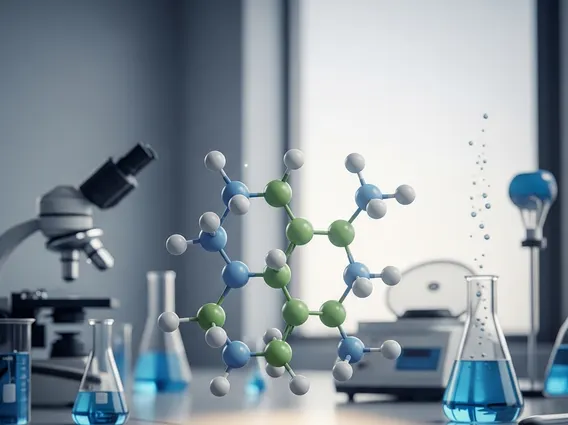
The interest in Silymarin stems from its unique chemical structure, which contributes to its diverse pharmacological activities. As a natural product, it has garnered significant attention in scientific research for its potential applications in various health contexts, making it a prominent subject in discussions about herbal supplements.
Health Benefits and Mechanisms of Action
The array of silymarin health benefits primarily stems from its potent antioxidant, anti-inflammatory, and hepatoprotective properties. It is widely recognized for its ability to support liver function and protect liver cells from damage. This makes it a popular supplement for individuals seeking to maintain liver health or those with certain liver conditions.
Silymarin exerts its protective effects through several mechanisms. It acts as a powerful antioxidant, scavenging free radicals that can cause oxidative stress and cellular damage. Additionally, it helps stabilize cell membranes, preventing the entry of toxins into liver cells, and promotes the regeneration of damaged liver tissue. Its anti-inflammatory properties help reduce inflammation in the liver and other tissues, contributing to overall cellular health. These combined actions explain how Silymarin works to support the body’s natural defense systems.
Beyond liver health, research suggests potential benefits in other areas, though more studies are needed to confirm these effects:
- Antioxidant Support: Helps neutralize harmful free radicals throughout the body.
- Anti-inflammatory Effects: May reduce inflammation in various organs and tissues.
- Cellular Regeneration: Supports the repair and regeneration of liver cells.
- Digestive Aid: Can assist in the digestion of fats due to its role in liver and bile production.
Dosage and Potential Side Effects
Understanding silymarin side effects and dosage is crucial for its safe and effective use. The typical dosage of Silymarin can vary significantly based on the specific formulation, the concentration of active compounds, and the health condition being addressed. Generally, doses range from 150 mg to 600 mg per day, often divided into two or three doses. It is always recommended to consult a healthcare professional to determine the appropriate dosage for individual needs, as self-medication can be risky.
While generally considered safe and well-tolerated by most individuals, Silymarin can cause some mild side effects, particularly at higher doses or in sensitive individuals. These side effects are usually transient and not severe. Common potential side effects include:
- Gastrointestinal upset, such as nausea, diarrhea, or indigestion.
- Bloating or gas.
- Mild allergic reactions, such as skin rash or itching, especially in individuals allergic to plants in the Asteraceae family (e.g., ragweed, daisies, marigolds).
Individuals with pre-existing medical conditions, those taking other medications, or pregnant and breastfeeding women should seek medical advice before using Silymarin to avoid potential interactions or adverse effects. As with any supplement, consistent monitoring and professional guidance are advisable.
Disclaimer: The information provided in this article is for educational purposes only and is not intended as medical advice. Silymarin is considered a complementary therapy and should not replace conventional medical treatment. Always consult with a qualified healthcare professional before starting any new supplement regimen or for any health concerns.