Sideropenic Dysphagia
Sideropenic dysphagia is a medical condition characterized by difficulty swallowing, primarily resulting from severe iron deficiency. It often indicates an underlying iron-deficiency anemia and can significantly impact a person’s quality of life.
Key Takeaways
- Sideropenic dysphagia is difficulty swallowing caused by iron deficiency.
- It is closely associated with iron deficiency anemia.
- Symptoms include painful swallowing, a sensation of a lump in the throat, and fatigue.
- Plummer-Vinson syndrome is a rare, severe form involving esophageal webs.
- Treatment primarily involves iron supplementation and dietary changes.
What is Sideropenic Dysphagia?
Sideropenic dysphagia refers to a condition characterized by difficulty or pain during swallowing (dysphagia) that arises due to severe iron deficiency. This medical term highlights the direct link between low iron levels (sideropenia) and impaired swallowing function. It is often a manifestation of chronic iron deficiency anemia, where the body lacks sufficient iron to produce healthy red blood cells, leading to a range of systemic symptoms. The exact mechanism by which iron deficiency causes dysphagia is not fully understood, but it is believed to involve atrophic changes in the pharyngeal and esophageal mucosa, making these tissues more fragile and prone to inflammation. Iron deficiency is the most common nutritional deficiency worldwide, affecting an estimated 1.2 billion people globally, according to the World Health Organization (WHO).
Symptoms, Causes, and Plummer-Vinson Syndrome
The symptoms associated with Sideropenic dysphagia symptoms causes extend beyond just difficulty swallowing. Individuals may experience a sensation of a lump in the throat (globus sensation), painful swallowing (odynophagia), and a burning sensation in the mouth or tongue. Other common symptoms of iron deficiency anemia, such as fatigue, pallor, weakness, brittle nails, and restless legs syndrome, often accompany the dysphagia. The primary cause is, as the name suggests, iron deficiency, which can stem from various factors including inadequate dietary intake, chronic blood loss (e.g., heavy menstruation, gastrointestinal bleeding), malabsorption issues (e.g., celiac disease, gastric surgery), or increased iron requirements (e.g., pregnancy).
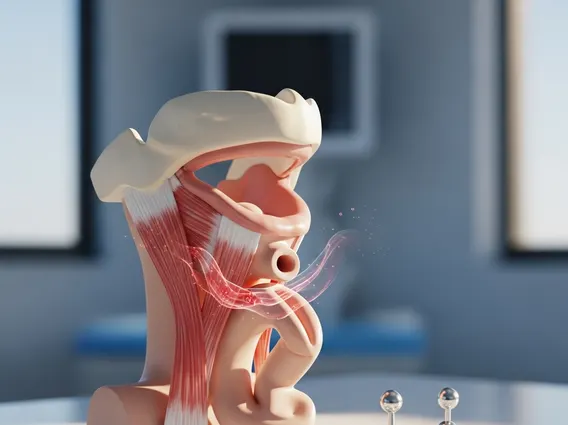
A specific and more severe form of sideropenic dysphagia is known as Plummer-Vinson syndrome information (also called Paterson-Kelly syndrome or Sideropenic Dysphagia syndrome). This rare condition is characterized by the triad of iron deficiency anemia, dysphagia, and esophageal webs. Esophageal webs are thin, non-cancerous membranes that grow across the upper part of the esophagus, further obstructing the passage of food. While rare in developed countries today due to improved nutrition, it was historically more common, particularly among middle-aged women. The presence of these webs significantly exacerbates swallowing difficulties and can increase the risk of developing squamous cell carcinoma of the esophagus, although this risk is relatively low.
Diagnosis and Treatment Options
Diagnosing sideropenic dysphagia typically involves a comprehensive evaluation of the patient’s medical history, a physical examination, and laboratory tests. Blood tests are crucial for confirming iron deficiency anemia, including a complete blood count (CBC) to check hemoglobin and hematocrit levels, serum ferritin to assess iron stores, and iron studies (serum iron, total iron-binding capacity, transferrin saturation). To investigate the dysphagia and rule out other causes, an upper endoscopy may be performed. This procedure allows direct visualization of the esophagus and pharynx, helping to identify any atrophic changes, inflammation, or the presence of esophageal webs characteristic of Plummer-Vinson syndrome. Biopsies may also be taken to exclude malignancy.
The primary goal of Iron deficiency dysphagia treatment is to correct the underlying iron deficiency. This is typically achieved through oral iron supplementation, which can significantly improve both iron levels and dysphagia symptoms over time. In cases of severe malabsorption or intolerance to oral iron, intravenous iron therapy may be necessary. Dietary modifications, such as increasing iron-rich foods and vitamin C intake to enhance iron absorption, are also recommended. For individuals with Plummer-Vinson syndrome, endoscopic dilation may be required to break up esophageal webs and improve swallowing. Regular follow-up is essential to monitor iron levels and ensure the resolution of symptoms.
Key treatment approaches include:
- Oral iron supplementation to replenish iron stores.
- Intravenous iron therapy for severe cases or malabsorption.
- Dietary changes to include iron-rich foods and vitamin C.
- Endoscopic dilation to treat esophageal webs in Plummer-Vinson syndrome.
- Regular monitoring of iron levels and symptom resolution.