
Shiitake Mushroom
Shiitake Mushroom refers to an edible fungus native to East Asia, highly valued for its distinct umami flavor and its significant role in traditional medicine. This mushroom is recognized globally for its culinary versatility and its potential health-promoting properties.
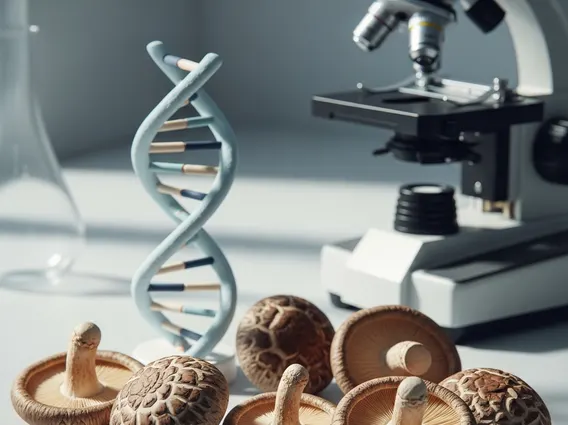
Key Takeaways
- Shiitake Mushroom is a widely cultivated edible fungus with a rich culinary history and traditional medicinal uses.
- It is known for its potential to support immune function, cardiovascular health, and possess antioxidant properties.
- Beyond culinary applications, it is explored for its therapeutic compounds, including polysaccharides like lentinan.
- Identification involves recognizing its distinctive brown cap, white gills, and curved stem, often found on decaying hardwoods.
- Successful cultivation requires specific environmental conditions, including appropriate substrate, temperature, and humidity.
What is Shiitake Mushroom?
Shiitake Mushroom (Lentinula edodes) is a revered edible fungus originating from East Asia, where it has been cultivated for centuries. It is characterized by its umbrella-shaped cap, typically dark brown, and its rich, earthy flavor. Beyond its culinary appeal, the Shiitake Mushroom has a long history of use in traditional medicine, particularly in China and Japan, where it is believed to possess various therapeutic properties. Modern scientific research continues to investigate these traditional claims, focusing on the mushroom’s bioactive compounds.
This mushroom grows naturally on decaying hardwood trees and is one of the most widely cultivated edible mushrooms worldwide. Its popularity stems from its unique taste, which adds depth to a variety of dishes, and its nutritional profile, which includes B vitamins, vitamin D, and essential minerals. The term “Shiitake” itself is derived from the Japanese words “shii” (referring to the Castanopsis cuspidata tree, a common host for the mushroom) and “take” (meaning mushroom).
Shiitake Mushroom Health Benefits and Uses
The consumption of Shiitake Mushroom is associated with several potential shiitake mushroom health benefits, largely attributed to its rich array of bioactive compounds, including polysaccharides, triterpenoids, and eritadenine. These components are believed to contribute to the mushroom’s therapeutic effects. Research suggests that regular intake may support immune system function, help maintain cardiovascular health, and provide antioxidant benefits.
Regarding what are shiitake mushrooms used for, their applications span both culinary and medicinal realms. In cooking, they are a staple ingredient in Asian cuisines, adding a savory umami flavor to soups, stir-fries, and various main dishes. Medicinally, extracts and supplements derived from Shiitake Mushroom are explored for their potential to:
- Boost Immunity: Polysaccharides, particularly lentinan, are thought to stimulate the immune system, enhancing the body’s defense mechanisms.
- Support Heart Health: Compounds like eritadenine may help lower cholesterol levels, contributing to better cardiovascular well-being.
- Provide Antioxidant Protection: Shiitake contains antioxidants that combat oxidative stress, potentially reducing cellular damage.
- Offer Anti-inflammatory Effects: Certain compounds in the mushroom may help reduce inflammation in the body.
It is important to note that while these benefits are promising, Shiitake Mushroom and its derivatives are considered complementary and should not replace conventional medical treatments. Always consult a healthcare professional before using mushroom supplements, especially if you have underlying health conditions or are taking other medications.
Identifying and Growing Shiitake Mushrooms
Knowing how to identify shiitake mushrooms is crucial for foragers and cultivators alike. These mushrooms typically have a cap that ranges from 2 to 4 inches (5 to 10 cm) in diameter, varying in color from light to dark brown, often with a slightly convex to flattened shape. The cap surface can be smooth or slightly scaly. Underneath, the gills are white, closely spaced, and extend from the stem to the edge of the cap. The stem is usually tough, fibrous, and curved, often lighter in color than the cap, and can be difficult to chew, leading many to remove it before cooking.
Successful shiitake mushroom growing conditions involve replicating their natural habitat. They thrive on hardwood substrates such as oak, maple, or beech logs, or on sterilized sawdust blocks. Key environmental factors include:
- Temperature: Optimal temperatures for mycelial growth are typically between 70-75°F (21-24°C), while fruiting (mushroom production) often requires cooler temperatures, around 50-68°F (10-20°C).
- Humidity: High humidity, usually above 80%, is essential during the fruiting stage to prevent the mushrooms from drying out.
- Air Exchange: Adequate fresh air exchange is necessary to prevent the buildup of carbon dioxide, which can inhibit growth and lead to malformed mushrooms.
- Light: While not strictly necessary for mycelial growth, some indirect light is beneficial during fruiting for proper cap development and pigmentation.
Cultivators often use methods like log inoculation or sterilized substrate blocks to grow Shiitake Mushrooms, ensuring a controlled environment for optimal yield and quality. Proper sanitation and environmental control are vital to prevent contamination and promote healthy mushroom development.



















