Sex Cell
Sex cells, also known as gametes, are specialized reproductive cells crucial for sexual reproduction in humans and many other organisms. These unique cells carry half the genetic material of a normal body cell, enabling the formation of a new individual when they combine.
Key Takeaways
- Sex Cell refers to specialized reproductive cells (gametes) that facilitate sexual reproduction.
- Their primary sex cell definition and function involve carrying genetic information and fusing to form a zygote.
- The main types of sex cells in humans are sperm (male gamete) and egg (female gamete).
- How sex cells form is through a specialized cell division process called meiosis, which reduces the chromosome number by half.
- Sex cells are haploid, meaning they contain a single set of chromosomes, ensuring the offspring receives the correct number of chromosomes.
What is a Sex Cell? Definition and Function
A Sex Cell, scientifically known as a gamete, is a specialized reproductive cell that contains a single set of chromosomes. Unlike somatic (body) cells, which are diploid and contain two sets of chromosomes, sex cells are haploid. This haploid state is essential for sexual reproduction, as it ensures that when two sex cells fuse during fertilization, the resulting offspring will have the correct diploid number of chromosomes.
The primary sex cell definition and function revolve around transmitting genetic information from parents to offspring. In humans, these cells are responsible for carrying the genetic blueprint that determines an individual’s traits. When a male sex cell (sperm) fertilizes a female sex cell (egg), they combine their genetic material to form a zygote, which then develops into an embryo. This process ensures genetic diversity within a species, contributing to adaptation and evolution.
Types of Human Sex Cells
In humans, there are two distinct types of sex cells in humans, each produced by a different biological sex:
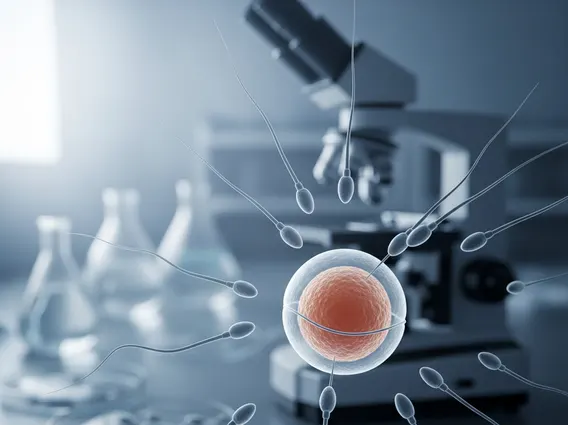
- Sperm (Male Gamete): Produced in the testes, sperm cells are small, motile cells characterized by a head containing the nucleus (with genetic material), a midpiece providing energy, and a tail (flagellum) for propulsion. Their primary role is to reach and fertilize an egg.
- Egg (Ova, Female Gamete): Produced in the ovaries, egg cells are significantly larger than sperm and are non-motile. They contain the female’s genetic material and a substantial amount of cytoplasm, which provides nutrients for the early stages of embryonic development after fertilization.
These two types of sex cells are highly specialized to perform their respective roles in reproduction. The differences in their structure and function reflect their complementary roles in the fertilization process, where the sperm delivers the paternal genetic contribution to the nutrient-rich egg.
How Sex Cells Form
The process of how sex cells form is called meiosis, a specialized type of cell division that reduces the chromosome number by half. Meiosis occurs in the gonads—the testes in males and the ovaries in females—and is critical for maintaining the correct chromosome number across generations. This process involves two rounds of division, Meiosis I and Meiosis II, resulting in four haploid cells from a single diploid parent cell.
In males, the formation of sperm is called spermatogenesis, a continuous process that begins at puberty and occurs in the seminiferous tubules of the testes. In females, the formation of eggs is called oogenesis, a process that begins before birth but is completed much later, often only upon fertilization. Meiosis ensures that each sex cell receives a unique combination of genes due to genetic recombination and independent assortment, contributing significantly to genetic variation in offspring.